
Reviewed · BATU CAVES TOURS
Day Tour Kuala Lumpur City, Batu Caves, Little India, Chinatown
Kuala Lumpur packs a lot into five hours. This tour links Batu Caves with the city center, Little India, Chinatown, Jamek Mosque, and colonial Merdeka Square, giving you a useful first look at KL without sorting out the transport yourself. I especially like the local guide format and the chance to eat Indian food from a banana leaf, two details that make this more than a drive-by city tour.
The main drawback is pace. Some stops are brief, and Little India and Petaling Street may amount to little more than a drive past unless you ask for extra time. The 272-step climb at Batu Caves also calls for decent fitness, and the lunch has been excellent for some people but disappointing for others.
In This Review
- Key points to know before you go
- Why this five-hour KL tour works well for a first visit
- Batu Caves and the 272-step climb
- Pewter and batik: useful stops or shopping detours
- Merdeka Square and Sultan Abdul Samad Building
- Jamek Mosque at Kuala Lumpur’s river meeting point
- Little India Brickfields and the banana-leaf lunch
- Chinatown and Petaling Street: a quick look at KL’s trading side
- Petronas Twin Towers and KL Tower photo stops
- What the guides add to the experience
- Fitness, timing, and practical value at $70
- Should you book this Kuala Lumpur city tour?
- FAQ
- How long does the Kuala Lumpur tour last?
- What time does the tour begin?
- Is hotel pickup and drop-off included?
- What is the maximum group size?
- How many steps are there at Batu Caves?
- Is lunch included?
- Does the tour include entry to the Petronas Twin Towers or KL Tower?
- What personal information is needed when booking?
- Can I cancel for a full refund?
Key points to know before you go
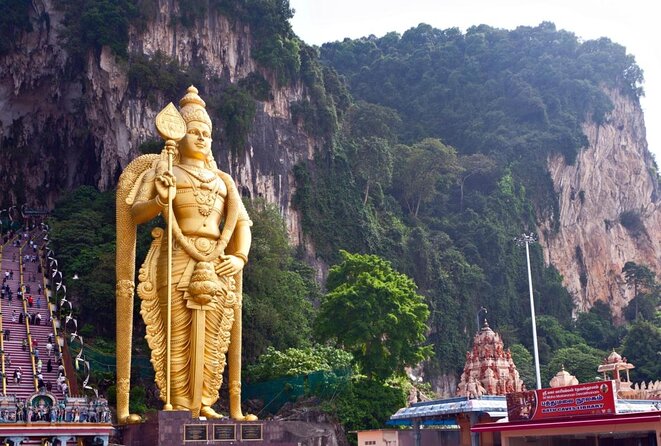
- Batu Caves is the clear centerpiece: You climb 272 steps to a Hindu temple inside the limestone caves.
- The tour covers old and modern KL: Expect Merdeka Square, Jamek Mosque, colonial buildings, the Petronas Twin Towers, and KL Tower photo stops.
- Lunch is part of the cultural experience: The meal is generally Indian food, often served on a banana leaf, though quality and portion details can vary.
- Little India and Chinatown can be short visits: In practice, these areas may be viewed from the vehicle unless you request a drop-off or walking time.
- Guides make a big difference: Ram, Thurai, Thurman, Robert, and Elvin are praised for clear explanations, patience, and personal attention.
- Small groups are possible: The maximum group size is 15, though some departures have operated as private tours.
Why this five-hour KL tour works well for a first visit
Kuala Lumpur is spread across several districts, and its best-known sights do not sit neatly along one walking route. Batu Caves is outside the central sightseeing area, while Merdeka Square, Jamek Mosque, Little India Brickfields, and Chinatown each offer a different piece of the city.
That makes a guided vehicle tour useful, especially if you have only a short stay. For $70 per person, you are paying for transport, hotel pickup and drop-off, a guide, the Batu Caves visit, city sightseeing, photo stops, and the convenience of covering a wide area in one morning. The value is strongest if you want orientation and cultural context rather than several hours at each site.
I would not choose this experience if you prefer slow wandering. Five hours is enough to see the main sights, but not enough to explore every market lane, temple interior, and museum at length. Think of it as a well-packed introduction to Kuala Lumpur.
The tour begins at 8am, with pickup offered. The stated meeting address is Hotel VGO, Jalan Melati Utama 4, No. 3 and 5, Taman Melati Utama, Kuala Lumpur. Confirm your pickup details before the morning, and keep your phone switched on. The operator requests the full names and ages of all participants, passport or identification numbers for forestry registration, a mobile number with country code, and your country of origin.
More City Tours in Kuala Lumpur
- Kuala Lumpur: City Tour & Batu Caves Combo
★ 4.4 · 722 reviews - Kuala Lumpur: Full-Day Private City Highlights Tour
★ 4.6 · 589 reviews - Kuala Lumpur City Tour Full Day 8 hours
★ 4.5 · 575 reviews
Batu Caves and the 272-step climb
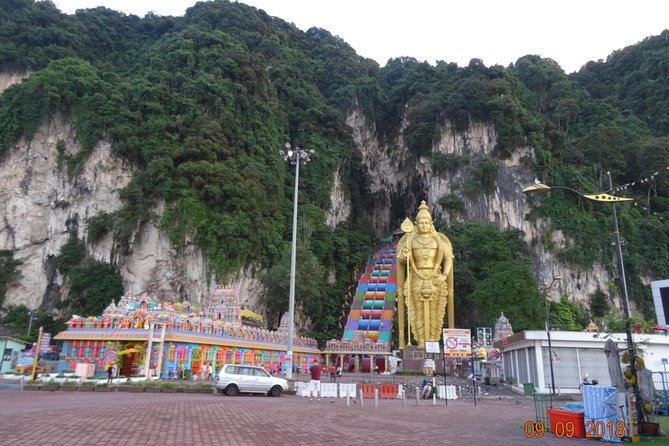
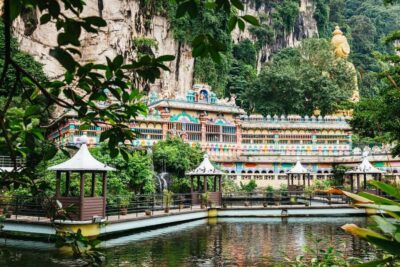
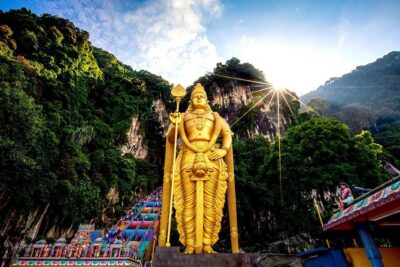
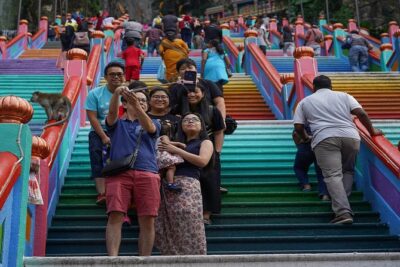
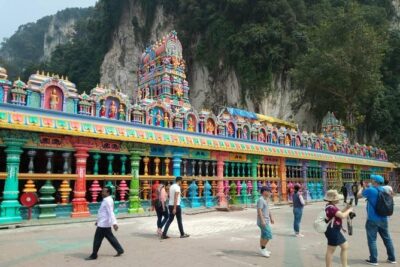
Batu Caves gives this outing its strongest sense of place. You see the famous colorful staircase leading up into the limestone hill, along with Hindu shrines dedicated to the deity honored during the annual Thaipusam festival.
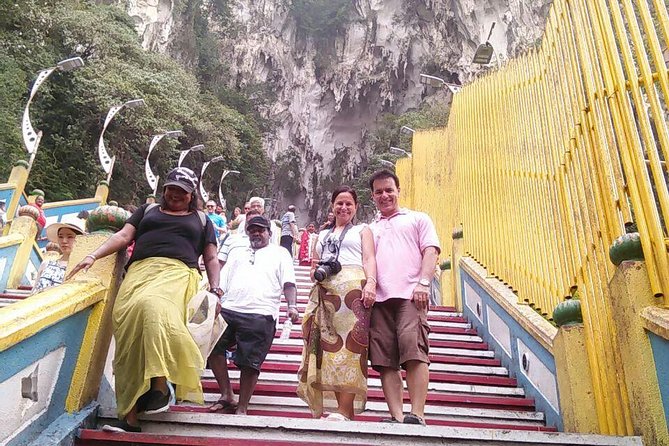
The climb is the practical test. There are 272 steps according to the tour details, while one guide described the route as 273 steps. Either way, you should expect a steep ascent and descent. Several people found the steps manageable but tiring, and one person called the area untidy. Wear sensible shoes, take your time, and do not treat the climb as a quick photo stop.
A good guide can turn the visit from a staircase and a cave into a meaningful introduction to Hindu worship. Guides have taken people all the way to the temple, explained the shrines, and even included a blessing ceremony with a monk. That kind of explanation is where the tour earns its keep.
Facilities are limited, so use a restroom before setting out. The cave area can also feel busy and less polished than the postcard images suggest. You are coming for the religious site, dramatic rock setting, and colorful entrance, not for a carefully arranged attraction.
Give Batu Caves your energy early in the day. It is the stop most likely to stay with you, and the morning timing may be more comfortable than climbing later in Malaysia’s heat.
Pewter and batik: useful stops or shopping detours
The tour includes visits to a pewter factory and a batik factory. These are not simply retail stops. You can watch how handcrafted designs are made from materials such as tin and copper, and you may see artisans working with batik patterns.
The Royal Selangor visit receives especially warm praise. It offers an explanation of pewter production and gives you a chance to see the craft at close range. One person wished the School of Hard Knocks, a hands-on pewter activity, had been included as an optional addition. That is useful context: the factory stop is interesting, but the exact presentation may not include a workshop.
The batik visit adds a different side of Malaysian craft. Batik is made by applying wax and dye to fabric, though the supplied tour information does not promise a particular demonstration format. You should view both stops as cultural and shopping opportunities. If you dislike commercial visits, ask your guide how long they will take and what will be demonstrated.
I like these stops because they connect souvenirs to actual production. A pewter bowl or batik textile has more meaning when you have seen the work behind it. Still, they use time that could otherwise go toward walking in Chinatown or Little India, so your priorities matter.
Merdeka Square and Sultan Abdul Samad Building
The central city portion begins around Independence Square, also known as Merdeka Square. This is one of the best places to understand Kuala Lumpur’s colonial-era architecture and Malaysia’s path to independence.
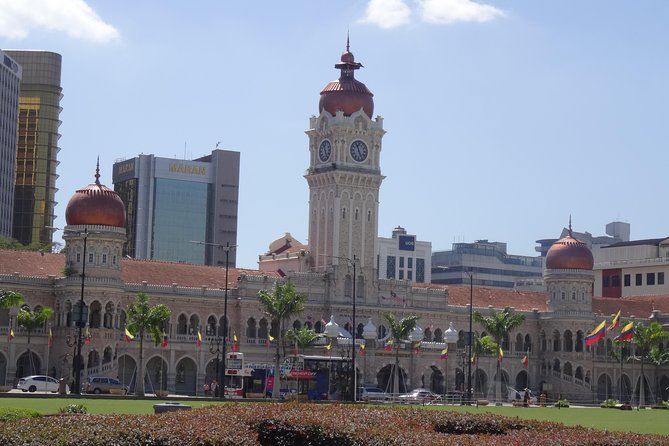
The Sultan Abdul Samad Building is the star here. Its Moorish and Tudor-inspired forms make it one of KL’s most photographed buildings, with domes, arches, and a distinctive clock tower. The square also brings together other landmarks from different periods, including St. Mary’s Cathedral and the old railway station.
You receive about 30 minutes around the Sultan Abdul Samad Building, followed by additional city sightseeing. That is enough for photographs and a guide’s explanation, but it is not a long architectural walk. If you enjoy buildings, listen closely and use the time to frame several views rather than waiting for one perfect picture.
The area matters because Malaysia’s independence was declared here on August 31, 1957. A guide can explain that setting better than a quick photograph from a moving car. This is one of the places where a local escort adds real value, especially if you are unfamiliar with Malaysia’s colonial and national story.
More Batu Caves trips:
- Kuala Lumpur: Batu Caves Half-Day Tour with Pick-Up Option
★ 4.5 · 4,288 reviews - Private Half-Day Batu Caves and Cutural Tour in Kuala Lumpur
★ 5.0 · 3,107 reviews - From Kuala Lumpur: Batu Caves Cultural Temple Tour
★ 4.7 · 1,453 reviews - Genting Highland & Batu Cave Guided Day Tour (SIC/Shared Tour)
★ 5.0 · 1,289 reviews
Jamek Mosque at Kuala Lumpur’s river meeting point
Jamek Mosque is another important central stop. Built during the British period, it combines Mughal, Islamic, and Moorish design. Its location at the confluence of two rivers is tied to the origin of Kuala Lumpur’s name.
You have about 30 minutes here. The stop is primarily architectural and historical, rather than a lengthy religious visit. Dress respectfully and follow any instructions about entering the mosque grounds. The supplied information does not promise interior access, so do not book this tour expecting a full mosque tour.
Jamek Mosque helps tie together several parts of the city. You see how the old center formed around waterways, government buildings, places of worship, and trading districts. That context makes the following drive through Little India and Chinatown easier to understand.
Little India Brickfields and the banana-leaf lunch
Brickfields, known as Little India, brings Indian restaurants, sari shops, flowers, Bollywood music, sweets, and other traditional goods into one district. In theory, it is an excellent place to pause because it shows the Indian influence within Malaysia’s mixed urban culture.
The biggest caution is time. Some departures have driven through Little India rather than stopping for a proper walk. If this area matters to you, tell the guide early that you would like time on foot. One useful option has been asking the driver to make a drop-off in Chinatown, and a similar request may help you get more from Brickfields if the schedule allows.
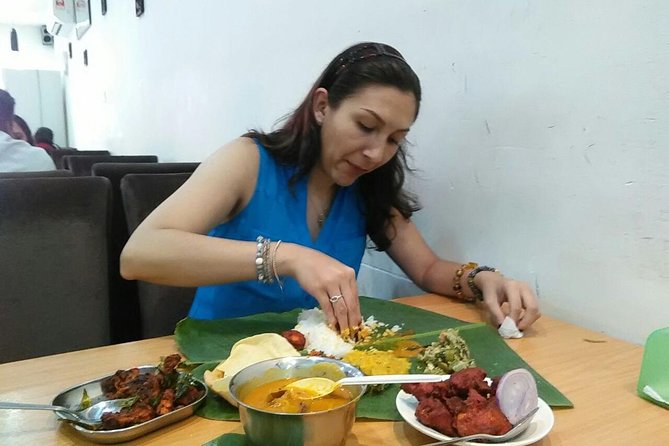
Lunch is generally a traditional Indian meal, sometimes served on a banana leaf. That can be a fun, hands-on experience, especially if you have never eaten this way. Guides such as Ram have introduced dishes including Chicken 65 and explained how to eat with your fingers, while other meals have been described as a plentiful buffet.
The food is not a guaranteed high point for everyone. Some people praised the taste and quantity, while others received a cold, plain, or one-course meal. The ambience may also be simple. If you are not fond of Indian food, remember that you are choosing an experience built around it. If you have dietary restrictions, ask the operator before booking because the available information does not specify alternatives.
I like the lunch in principle because it gives you a direct taste of local food culture. Just keep your expectations realistic. This is not necessarily a polished restaurant meal, and the quality can depend on the restaurant and the day.
Chinatown and Petaling Street: a quick look at KL’s trading side
Petaling Street is Kuala Lumpur’s Chinatown, known for fashion, electronics, food, pre-war shophouses, temples, and narrow commercial lanes. It is one of the areas where a short walk can reveal much more than a vehicle window.
Here, again, the schedule may be the limiting factor. The stated stop is a drive past for about 30 minutes, and one person was disappointed that Chinatown and Little India were not proper walking stops. If you want to shop, eat, or photograph the older shophouses, ask whether you can be dropped off.
This is not a flaw for every visitor. If your main goal is to see the city’s broad outline, a drive past gives you a quick sense of the district. If Chinatown is on your must-see list, you may prefer to return independently after the tour and spend a few hours there.
Petronas Twin Towers and KL Tower photo stops
The experience also includes photo opportunities at the Petronas Twin Towers and KL Tower. These are useful additions because Kuala Lumpur’s modern identity is as important as its colonial center and religious districts.
Do not assume that the tour includes admission to either observation deck. The stated inclusion is for photo shoots, while the Batu Caves admission is specifically included. One person found the Twin Towers view partly blocked by other structures, so your photograph may require patience and a little guidance from the driver.
The city views are best treated as orientation stops, not full attractions. You get the classic skyline image, then move on. If you want to go inside the towers or spend time at KL Tower, arrange a separate visit.
What the guides add to the experience
The guide is the most important variable here. Ram receives repeated praise for being friendly, careful, enthusiastic, and generous with time. Thurai is praised for safe driving and clear explanations, while Thurman, Robert, and Elvin are also described as helpful and personable.
That personal approach seems to be a genuine strength. Robert adjusted his speaking speed so older parents with limited English could follow the commentary. Elvin even returned a forgotten phone to a hotel. Another guide carried umbrellas in the vehicle, a small courtesy that matters in Kuala Lumpur’s changeable weather.
The tour can operate with a maximum of 15 people, but some departures have been private. A private outing gives you more room to ask questions and request small changes, though one person felt the price was high for a private tour. The guide and vehicle arrangement may vary, so do not assume every departure will have the same person or format.
Fitness, timing, and practical value at $70
You should have moderate physical fitness for the Batu Caves stairs. The rest of the tour involves vehicle time, short walks, and standing at city landmarks. The climb is the only clearly demanding physical section, but heat and humidity can make it feel harder.
At $70 per person, the tour is not the cheapest way to see Kuala Lumpur. Its value lies in the combination of hotel pickup, a local guide, transport between scattered districts, Batu Caves, city landmarks, craft demonstrations, and lunch. For a first visit, a short stay, or a day when you want someone else to handle the route, that package can make sense.
The value drops if you mainly want long market visits or free time. You may spend part of the day driving past Little India and Chinatown, and lunch quality is not fully consistent. Compare the price with your priorities, not just the number of attractions.
Confirmation is provided at booking. Free cancellation is available up to 24 hours before the start time. If poor weather cancels the experience, you are offered another date or a full refund.
Should you book this Kuala Lumpur city tour?
Book it if you are new to KL, have limited time, want Batu Caves without arranging transport, and enjoy learning from a local guide. It is especially well suited to people who want the city’s major cultural and architectural markers in one compact outing.
I would also recommend it to families or older relatives when a private departure is available, provided everyone can handle the Batu Caves stairs. Guides have shown real patience with slower English, special requests, and forgotten belongings.
Skip it if you want a relaxed market day, a serious food tour, or long visits inside museums and religious buildings. You may get more from booking Batu Caves separately and exploring Chinatown and Brickfields on foot.
For most first-time visitors, this is a useful KL orientation with one outstanding stop, several worthwhile photo locations, and a memorable banana-leaf lunch when the meal is well prepared. Ask in advance about walking time in Little India and Chinatown, and you will make a better-informed choice.
FAQ
How long does the Kuala Lumpur tour last?
The experience lasts approximately five hours.
What time does the tour begin?
The stated start time is 8am.
Is hotel pickup and drop-off included?
Yes. Hotel pickup and drop-off are included, and pickup is offered.
What is the maximum group size?
The experience has a maximum of 15 participants.
How many steps are there at Batu Caves?
The tour information states that you climb 272 steps to reach the temple. One description refers to 273 steps, so you should prepare for a steep climb of roughly that length.
Is lunch included?
The tour description and detailed experience information include a traditional lunch, commonly Indian food served on a banana leaf. The quality and format can vary, so ask for current details if lunch is especially important to you.
Does the tour include entry to the Petronas Twin Towers or KL Tower?
No entry is specified for either attraction. The experience includes photo stops at the Twin Towers and KL Tower.
What personal information is needed when booking?
You need to provide the full names and ages of all participants, passport or identification numbers for forestry registration, the lead guest’s mobile number with country code, and country of origin.
Can I cancel for a full refund?
Yes. You can cancel at least 24 hours before the local start time for a full refund. Changes or cancellations made less than 24 hours before the start time are not accepted, and poor-weather cancellations offer a different date or a full refund.
Just added in Kuala Lumpur
- Explore Kuala Lumpur: Iconic City Landmarks & Batu Caves★ 5.0 · 15 reviews
- AVANI Sepang Goldcoast Resort Hotel TO Kuala Lumpur Hotel Door to Door Transfer★ 4.5 · 3 reviews
- Private Hire Taxi Driver Port Klang Cruise Terminal To KL Tour★ 5.0 · 1 review
- Batu Caves And Putrajaya Cruise Excursion Tour From Port Klang★ 5.0 · 1 review
- Airport Layover: Kuala Lumpur Full-Day Tour★ 4.0 · 1 review
- Kuala Lumpur Airport Transfer★ 5.0 · 29 reviews
- Transfer To Avani Sepang Goldcoast Resort★ 5.0 · 2 reviews
- Airport Layover Tour: Kuala Lumpur Full-Day★ 4.5 · 6 reviews
Batu Caves Tours, compared.
Private Half-Day Batu Caves and Cutural Tour in Kuala Lumpur
Read our review →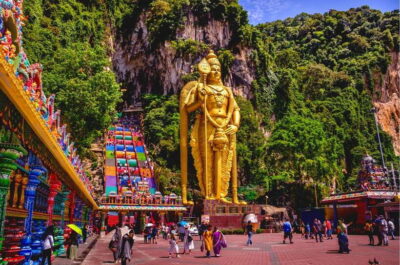

Genting Highland & Batu Cave Guided Day Tour (SIC/Shared Tour)
Read our review →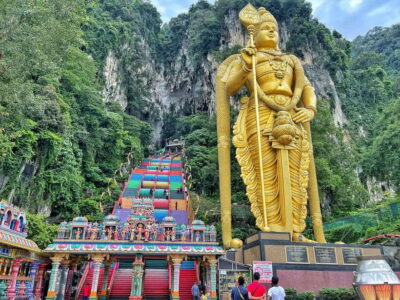
Private Tour Kuala Lumpur with Petronas Twin Towers Observation Deck & Batu Cave
Read our review →
Kuala Lumpur Suburbs Batu Caves Half-Day Tour (SIC/Shared Tour)
Read our review →Browse the lists this tour appears in