
Reviewed · NATIONAL PARKS
Historical Niah National Park Day Trip from Miri
Ancient life waits in the dark. This full-day trip from Miri combines a boat crossing and forest walk with the remarkable Niah Caves, where human remains date back about 40,000 years. I like the small group size, capped at 10 people, and the chance to see the cave paintings with a guide who can explain what you are looking at. The main drawback is the physical effort: expect a long walk, slippery and dark cave surfaces, and transport that may not be especially comfortable.
I also like that lunch, hotel pickup, and the boat ride are included in the $90.65 price. Guides such as Allen and Sazali have earned especially strong praise for making the archaeology easier to understand. Bring a flashlight, wear shoes with a firm grip, and do not expect a polished attraction. Niah feels raw, large, and wonderfully old.
In This Review
- Key things to know before visiting Niah Caves
- Why Niah National Park is worth the drive from Miri
- The 90-minute drive and arrival at park headquarters
- Crossing the Niah River by boat
- The forest plank walk to the Great Cave
- Entering the Great Cave and its archaeological story
- Seeing the cave paintings without expecting a gallery
- Lunch at the park canteen
- Is $90.65 good value?
- Who will enjoy this day trip most?
- Practical ways to make the day better
- Should you book the Niah Caves day trip?
- FAQ
- How long is the Niah National Park day trip from Miri?
- What time does the tour start?
- Is hotel pickup and drop-off included?
- How much walking is involved?
- What can you see inside the Niah Caves?
- Is lunch included?
- What happens if bad weather cancels the tour?
Key things to know before visiting Niah Caves
- The 40,000-year-old human remains make Niah one of Southeast Asia’s most important early human sites.
- A boat crosses the Niah River, followed by roughly an hour on a forest plank walk to the cave entrance.
- The Great Cave is vast and dark, with bats, swiftlets, stone tools, bone and iron objects, and cave paintings.
- The tour runs about eight hours, including the roughly 90-minute drive from Miri to the national park.
- A professional guide matters here, since the paintings and archaeological displays are easy to miss without explanation.
- This is an active day out, not a gentle sightseeing stop, and poor weather can cause cancellation.
Why Niah National Park is worth the drive from Miri
Niah National Park lies about 90 minutes from Miri by road, so this is not a quick add-on between other attractions. You give up most of a day, but the reward is a place with genuine archaeological importance rather than a staged cultural display.
The caves preserve evidence of human settlement in Borneo going back roughly 40,000 years. That date gives the visit its weight. You are not simply looking at impressive limestone. You are walking toward a place used by people across an enormous stretch of time, from early Homo sapiens to communities living there as recently as around 1400 AD.
The park covers about 3,102 hectares of forest and limestone. Gunung Subis rises to 394 meters and gives the area its physical center. More than half of the park is limestone, so the plants around the cave entrance reflect that unusual ground. You may see species from the Balsaminaceae and Begoniaceae families, along with peat swamp and mixed dipterocarp forest.
I would set your expectations correctly. Niah is not designed like a museum attraction with bright signs and smooth paths all the way in. The experience depends on the forest walk, the dark cave, and the guide’s explanation. That rougher feel is part of its appeal, but it also makes sensible footwear and a reasonable level of fitness important.
More National Park Trips in Kuching
- Night Froggy Adventure at Kubah National Park
★ 5.0 · 71 reviews - Bako National Park from Kuching City
★ 4.5 · 35 reviews - Bako National Park
★ 4.5 · 18 reviews
The 90-minute drive and arrival at park headquarters
Pickup begins around 8:30 a.m. from selected hotels in Miri. The ride to Niah National Park takes about 90 minutes, giving you a useful view of the distance involved. Hotel drop-off is included at the end, which saves you from arranging a taxi after a tiring walk.
Airport pickup and drop-off can involve an extra charge, so check that point before booking if you are connecting through Miri Airport. The standard service is aimed at hotel pickup in Miri.
At the park headquarters, you register before heading toward the river. The small group limit of 10 is a real advantage here. A guide can answer questions without trying to manage a crowd, and the forest path feels less like a procession.
The transport itself may be the weakest part of the day. One particularly negative account described an old, uncomfortable van and back pain during the drive. That may not be every departure, but it is a fair warning. If you have back problems, ask about the vehicle when confirming your pickup.
Crossing the Niah River by boat
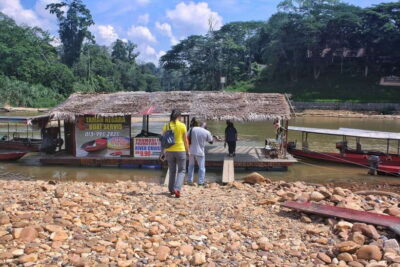
The boat ride across the Niah River is brief, but it gives the trip a pleasant change of pace. You leave the road behind and reach the park area connected with the museum and cave path.
Do not treat this as a scenic cruise. The boat is a practical part of the route, not a separate river excursion. Still, it adds character to the arrival and makes the walk toward the caves feel like a proper journey into the park.
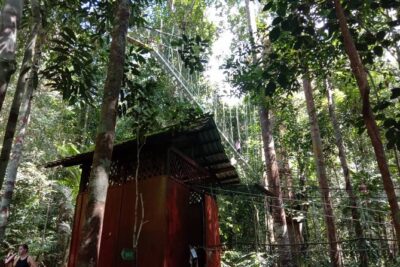
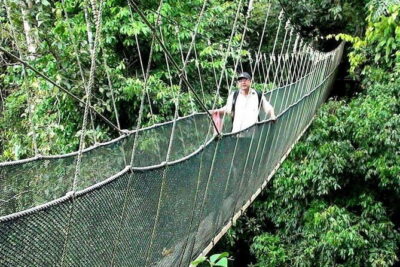
After the crossing, you continue on foot. The path includes an elevated plank walk through the forest and takes about an hour to reach the cave entrance. The route is tranquil, but it is not effortless. You will spend a significant part of the day walking, and some parts inside the cave can be slippery.
Comfortable walking shoes are essential. I would choose shoes with good traction rather than sandals or smooth casual trainers. A flashlight is also worth packing, even though the guide leads the way. One visitor specifically found a flashlight useful, and the cave’s darkness makes that advice easy to support.
The forest plank walk to the Great Cave
The walk is part of the attraction, not just a delay before the main event. The forest gives you a chance to see the limestone environment that shaped the caves and the plants around them.
You might spot birds or small animals, but wildlife sightings are not guaranteed. Book this trip for the archaeological site and forest setting, not for a wildlife safari. The guide can point out plant life and explain the terrain, but nature does not work to a fixed schedule.
The route takes roughly one hour, and that matters when you plan your day. Add the boat crossing, the cave exploration, the drive each way, and lunch, and the eight-hour estimate makes sense. You should not plan a demanding evening activity immediately afterward.
The walk also sets up the scale of the cave. After moving through forest on a narrow route, you reach an opening into the much larger Great Cave. That change from enclosed woodland to open limestone space is one of the day’s best moments.
More Kuching trips:
- Half-Day Heritage Bike Tour in Kuching
★ 5.0 · 162 reviews - Semenggoh Orangutan Centre from Kuching
★ 4.5 · 53 reviews - Semenggoh Wildlife Centre Tour: Discover Sarawak’s Orangutans
★ 5.0 · 34 reviews - Night Frogs Tour at Kubah National Park
★ 5.0 · 17 reviews
Entering the Great Cave and its archaeological story
Gua Niah, also called the Great Cave, is the heart of the trip. Archaeologists found evidence of human life here dating back about 40,000 years, including the remains of a young Homo sapiens skull.
The displays include the skull, tools made from stone, bone, and iron, and other objects connected with the people who used the caves. The site also produced wooden coffin structures known as death-ships. The prehistoric material is now displayed through the Sarawak Museum system.
The guide adds much-needed context. Without someone explaining the dates, objects, and discoveries, you may mainly notice the size and darkness of the cave. With a good guide, the space becomes a record of changing human life rather than just a dramatic rock chamber.
Allen received especially warm praise for explaining how people lived in the caves, while Sazali was noted for attentive guidance from pickup onward. Guide quality can vary by departure, but the experience clearly benefits from someone who knows how to connect the physical site with the human story.
The cave is also home to bats and swiftlets. You may hear or see them overhead, adding to the sense that this remains a living natural place rather than an archaeological exhibit sealed away from the outside world.
Seeing the cave paintings without expecting a gallery
The cave paintings are one of the most anticipated parts of the visit. They show boats and human figures, offering a direct link to the people who used the cave. Their value comes from age and meaning, not from bright colors or crisp museum-style presentation.
One disappointed account found the painting difficult to make out and hardly like a conventional painting. That is useful advice. You may need the guide to point it out, and a flashlight can help you understand what you are seeing. Do not arrive expecting a large, vivid mural.
The paintings reward patience. Look carefully, listen to the explanation, and remember that the cave itself is part of the evidence. The artwork, burial objects, tools, and human remains together show how the cave served different purposes across thousands of years.
This is also where the tour’s limitations become clear. The interior can be dark and slippery, and the ground may feel uneven. If you dislike confined, poorly lit places or struggle with extended walking, Niah may be more demanding than its simple day-trip label suggests.
Lunch at the park canteen
After the cave visit, the group stops at a park canteen for an included local lunch. The meal is practical rather than a major food experience, but it is welcome after the forest walk and cave exploration.
Beverages are not included, so carry money for drinks. The supplied details do not specify the exact menu, and it is best not to expect a choice of restaurant or a long meal stop. You are eating within the park, which keeps the day moving and avoids another transfer.
The lunch also gives you a chance to rest before returning to Miri. After three or more hours around the river, plank walk, and cave, a seated break is useful. If you need frequent food or drink stops, bring a small amount of personal water and confirm what is permitted in the park.
Is $90.65 good value?
At $90.65 per person, this is not the cheapest way to spend a day near Miri. It is a fair value if you want the logistics handled and prefer a guide who can explain the site rather than simply point you toward the entrance.
The price includes hotel pickup and return at selected Miri hotels, the drive to and from Niah, the boat crossing, a professional guide, and lunch at the park canteen. Those inclusions matter because reaching the park independently requires you to arrange transport and coordinate the river crossing and park visit yourself.
The group limit of 10 improves the value. You are paying for access to an organized experience, but you are not normally joining a large coach group. The strongest part of the cost is the interpretation. Niah’s archaeological story is not immediately obvious, so a guide can make the difference between a memorable visit and a walk through a dark cave.
There are extra costs to watch for. Drinks are separate, airport pickup or drop-off may carry a surcharge, and a camera fee may apply at the venue. The vehicle can also affect how you feel about the price. If your transport is an older van, the long road journey may feel less comfortable than expected.
The tour is often reserved about 35 days ahead, which suggests that you should not leave it until the last minute during a busy visit to Sarawak. Confirmation is provided at booking, and free cancellation is available until 24 hours before the start time.
Who will enjoy this day trip most?
I would choose this experience if you enjoy archaeology, unusual natural places, and guided walks with a clear physical component. It suits adults and older children who can manage a long forest walk and dark, slippery cave conditions.
It is especially good for first-time visitors to Miri who do not want to negotiate the transport to Niah on their own. The pickup, boat ride, lunch, and guide create a simple package for a distant attraction.
You should think twice if you have limited mobility, dislike uneven ground, or want a relaxed sightseeing day. The information specifically calls for moderate physical fitness, and children must be accompanied by an adult. A wildlife-focused visitor may also be disappointed because animal sightings are not promised.
The weather is another consideration. The trip depends on favorable conditions, and poor weather can lead to a new date or a full refund. That policy is sensible, since the river crossing and forest path are central to the experience.
Practical ways to make the day better
Pack light, but bring the useful things. I would carry a flashlight, comfortable shoes with strong grip, drinking money, and clothing suited to a warm forest walk. The provided details do not state that drinks are included, so plan to buy beverages separately or confirm what you may bring.
Listen closely at the cave entrance. The paintings can be easy to miss, and the skull and tools gain meaning through explanation. Guides Allen and Sazali received particular praise for clear, attentive service, so do not hesitate to ask questions when your guide pauses.
Keep your schedule flexible after returning to Miri. The stated duration is about eight hours, but road conditions, weather, walking pace, and group timing can affect the day. If you are heading to the airport, confirm the airport surcharge and allow enough time beyond the planned return.
Finally, accept that Niah is a working national park rather than a polished indoor attraction. The dark cave, damp surfaces, basic canteen, and possible vehicle discomfort are part of the trade-off for seeing a site with such a long human record.
Should you book the Niah Caves day trip?
Book it if you want one of Miri’s most meaningful day trips and value a guide who can turn ancient remains, tools, burials, and faint paintings into a clear story. The boat crossing, forest plank walk, and huge cave make the route feel active and memorable, while the included transport and lunch keep the day simple.
Skip it if you need a soft, comfortable outing or have difficulty walking for several hours. The cave can be dark and slippery, the paintings may be subtle, and the vehicle may not provide a luxurious ride.
For most reasonably fit visitors with an interest in Borneo’s early human past, I think the archaeological importance justifies the drive and the price. Book ahead, wear serious walking shoes, bring a flashlight, and let the guide do the explaining.
FAQ
How long is the Niah National Park day trip from Miri?
The experience lasts about eight hours. The drive from Miri to Niah National Park takes about 90 minutes, followed by the boat crossing, forest walk, cave visit, lunch, and return journey.
What time does the tour start?
The stated start time is 8:30 a.m., with hotel pickup in Miri available from selected hotels.
Is hotel pickup and drop-off included?
Yes, hotel pickup and drop-off are included for selected hotels in Miri. Pickup and drop-off at Miri Airport may require a surcharge.
How much walking is involved?
You should expect a boat crossing followed by roughly one hour of walking on a forest plank walk to the cave entrance. The visit requires a moderate level of physical fitness, and comfortable walking shoes are recommended.
What can you see inside the Niah Caves?
The Great Cave contains bats and swiftlets, a young Homo sapiens skull on display, stone, bone, and iron tools, and cave paintings showing boats and human figures. Wooden coffin death-ships were also found at the site, with prehistoric artifacts displayed through the Sarawak Museum.
Is lunch included?
Yes, a local lunch at a park canteen is included. Beverages are not included.
What happens if bad weather cancels the tour?
If poor weather causes cancellation, you will be offered an alternative date or a full refund. The experience may also be canceled if its minimum number of participants is not reached.
More History Tours in Kuching
- Brunei Heritage Tour
★ 4.5 · 6 reviews - 3 Days 2 Nights Unesco World Heritage Mulu 4 Showcaves
★ 3.5 · 5 reviews - Kuching Cultural & Heritage Tour with Sarawak Sunset River Cruise
★ 3.0 · 2 reviews - From Kuala Lumpur: Historical Melaka Day Tour with Lunch
★ 4.4 · 2,297 reviews
Just added in Kuching
- Half-Day Sightseeing Tour of Miri City★ 4.5 · 2 reviews
- Brunei Heritage Tour★ 4.5 · 6 reviews
- Kuching Cultural & Heritage Tour with Sarawak Sunset River Cruise★ 3.0 · 2 reviews
- Traditional Bidayuh Village Bamboo Longhouse Tour★ 3.5 · 6 reviews
- Semenggoh Orangutan Center & Sarawak Cultural Village★ 4.5 · 10 reviews
- Sarawak Cultural Village Tour from Kuching★ 5.0 · 13 reviews
- Semenggoh Wildlife Centre: Orangutan Discovery from Kuching★ 4.5 · 8 reviews
- Sarawak Bako National Park Tour : Pristine Rainforest Jungle★ 3.0 · 2 reviews
National Parks, compared.
Taman Negara National Park Day Tour (SIC – Join In Tour)
Read our review →


Browse the lists this tour appears in