
Reviewed · HISTORICAL TOURS
Kuala Lumpur Heritage 4-Hour Walking Tour
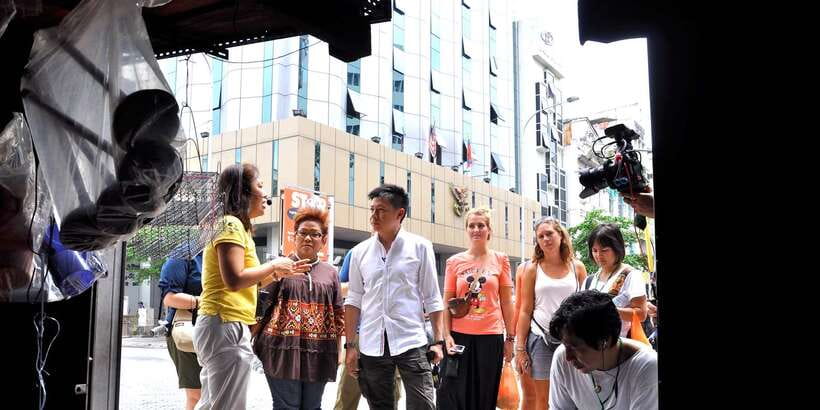
Kuala Lumpur reveals itself bite by bite. This four-hour walk connects Central Market, Chinatown, Chinese and Hindu temples, and local food stalls in a compact look at the city’s mixed cultural roots. You get history, street scenes, rituals, and plenty to eat without spending half the day on a bus.
I like the small group size, limited to eight people, because it gives you a better chance to ask questions and keep up with the guide. I also like the food focus: the tour is not just a sightseeing walk with a snack tacked on at the end. Food tastings help explain how Malay, Chinese, and Indian traditions meet in Kuala Lumpur.
The main drawback is the meeting point. The Tourist Information and Interaction Centre sits above an alley near Central Market, and finding it can be awkward if you have weak internet access. You should allow extra time to locate it, and expect a moderate amount of walking in Kuala Lumpur’s heat.
In This Review
- Key Points Before You Book
- Starting at Central Market and Kasturi Walk
- Chinatown and the Story of Early Settlers
- Sin Sze Si Ya Temple and Chinese Rituals
- Sri Mahamariamman Temple and Hindu Traditions
- Eating Kuala Lumpur One Stop at a Time
- What Four Hours Really Covers
- Guide Quality Makes the Difference
- Is $60 Good Value?
- Meeting Point, Ending Point, and Practical Details
- Who Should Book This Walk?
- Final Verdict: Book It for Culture and Food
- FAQ
- How long is the Kuala Lumpur Heritage Walking Tour?
- How much does the tour cost?
- What languages are available?
- How many people are in each group?
- Where does the tour begin?
- How do I find the meeting point?
- What food is included?
- Which temples are visited?
- Is there much walking?
- Is there a minimum age?
- Can I cancel for a refund?
- Can I reserve now and pay later?
Key Points Before You Book
- Small groups of no more than eight make it easier to hear the guide and ask about customs.
- Three food stops may replace breakfast, with local tastings and, according to one detailed account, a banana leaf lunch.
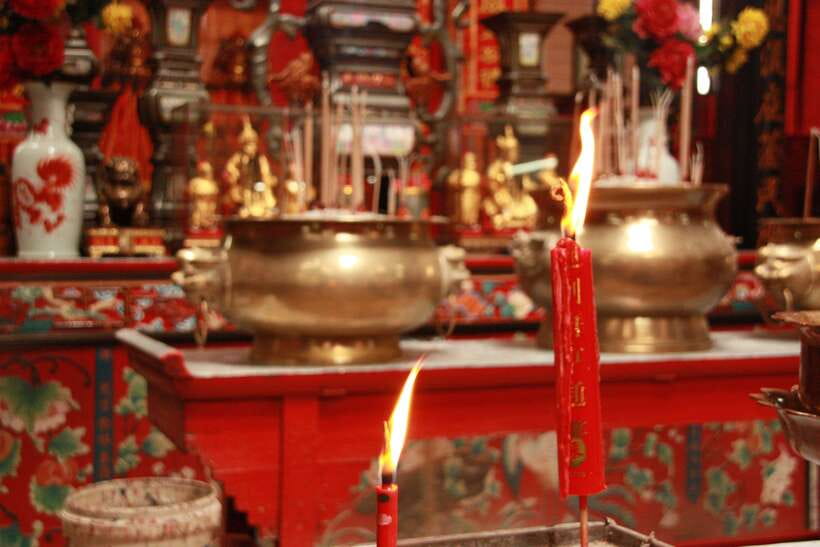
- Sin Sze Si Ya Temple and Sri Mahamariamman Temple give you a close look at Chinese Taoist and Hindu traditions.
- Central Market, Kasturi Walk, and Chinatown provide a useful introduction to Kuala Lumpur’s historic center.
- Guides such as Lewis, Luis, Kristin, Farah, and Christie have received strong praise for personal service and cultural explanations.
- The four-hour walk costs $60 per person, a fair price if you value food, guiding, and a small group more than a long list of landmarks.
Starting at Central Market and Kasturi Walk
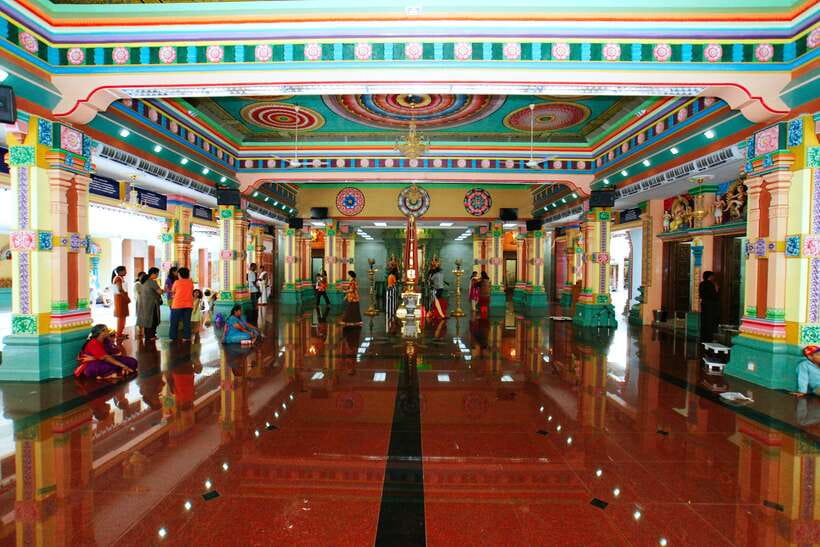
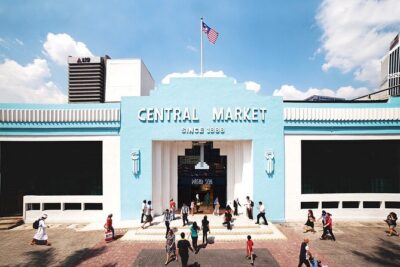
Your meeting point is the Tourist Information and Interaction Centre near Central Market. To find it, walk along Kasturi Walk beside Central Market, then look for the alley between the market and the purple building. Enter the ART LANE, walk about 30 seconds to a black staircase, go upstairs, turn right, and look for the turquoise-colored center beside a small garden.
That is a lot of direction for a meeting point, so do not treat it as a casual place to wander into at the last second. One person had trouble locating it, especially without reliable internet. I would arrive at least 15 minutes early and save the directions on your phone before leaving the hotel.
The tour then moves through Kasturi Walk, a covered flea-market-style passage beside Central Market. You can browse stalls and get an early sense of Kuala Lumpur’s shopping culture before moving into the older streets around Chinatown.
Central Market is a useful starting point because it brings together crafts, souvenirs, food, and reminders of Malaysia’s many communities. The tour is not built around a long museum visit, so you should think of this stop as an orientation to the city rather than a detailed examination of every stall.
More History Tours in Kuala Lumpur
- Historical Malacca Guided Day Tour (Shared Tour)
★ 5.0 · 2,172 reviews - Kuala Lumpur: Batu Caves & Historic Buildings Tour
★ 4.7 · 539 reviews - Historical Malacca Day Tour from Kuala Lumpur (Private Tour)
★ 5.0 · 515 reviews
Chinatown and the Story of Early Settlers
From Central Market, the walk heads toward Chinatown, where the guide explains the arrival and influence of early Chinese and Indian settlers. This is one of the strongest reasons to choose a guided walk rather than simply following a map between attractions.
On your own, you can see shopfronts, temples, market lanes, and food stands. A guide helps connect those sights to the communities that shaped central Kuala Lumpur. The experience is particularly useful if you want more than photographs and broad labels such as Chinese, Indian, or Malay.
The route includes photo stops and sightseeing as you walk. It is not a rapid march from one landmark to another, but you should still expect to be on your feet for much of the four hours. Wear comfortable shoes, bring water, and leave room in your schedule for pauses that may last longer than planned.
The walk also gives you a chance to ask about daily customs and food traditions. The best guides appear to adjust the experience to the group. Christie, for example, was praised for choosing food based on what the group had already tried and what it still wanted to sample. That kind of flexibility can make the tour feel less like a fixed checklist.
Sin Sze Si Ya Temple and Chinese Rituals
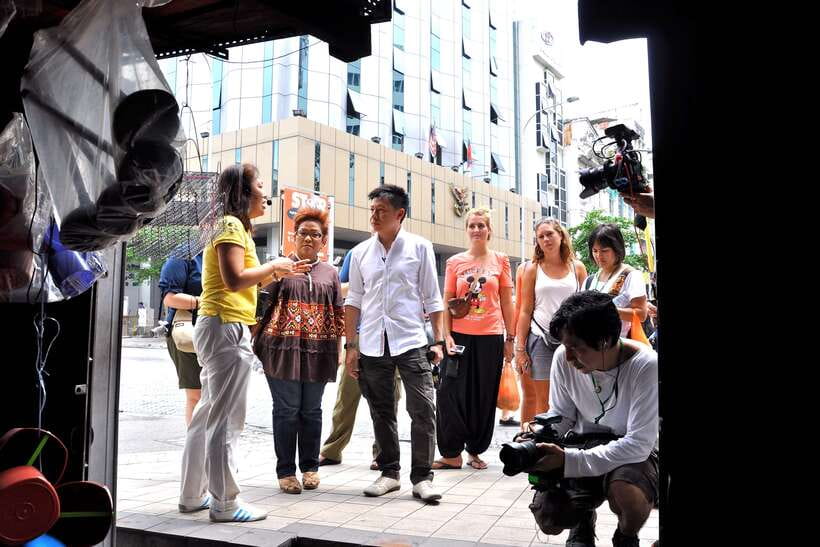
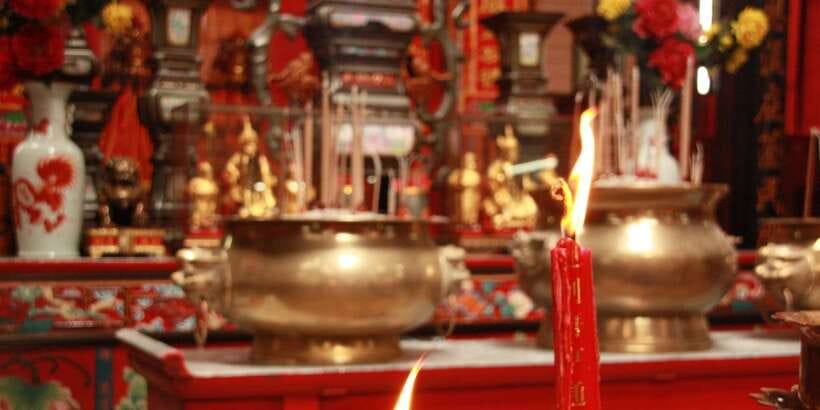
Sin Sze Si Ya Temple is one of the tour’s key cultural stops. The guide explains the temple and the customs connected with Chinese worship, giving you context before you approach the shrines.
This matters because religious sites can be confusing if you do not know where to look or how to behave. A guide can help you understand what you are seeing and explain which actions are appropriate. One detailed account described being encouraged to make wishes at Chinese shrines, with the guide explaining the process.
That personal guidance is a major strength, but you should approach it respectfully. You are visiting an active place of worship, not a staged attraction. Listen carefully, follow the guide’s instructions, and do not assume every ritual is suitable for every visitor.
Some guides may also help you buy or select items connected with a ritual. One person described receiving help choosing materials associated with clearing away bad fortune and buying a coconut to create a clear path. These details add a personal layer to the visit, though any purchases should be treated as optional rather than part of the $60 tour price.
The temple stop is also a good example of what you are paying for. The ticket does not simply get you from one famous building to another. It gives you someone who can explain what is happening and help you take part without feeling lost.
Sri Mahamariamman Temple and Hindu Traditions
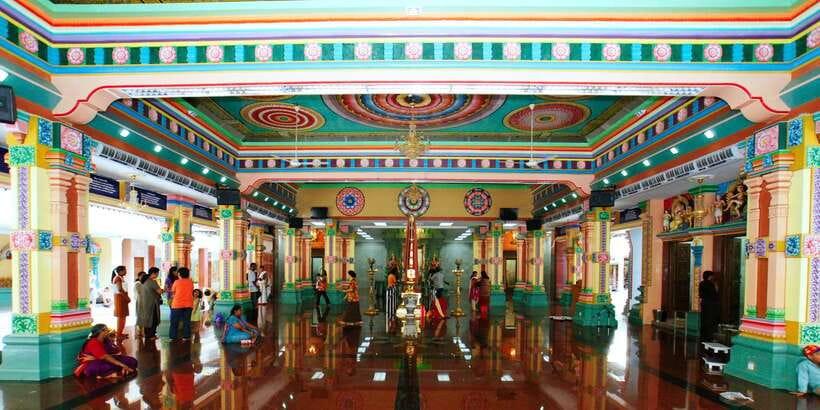
The visit to Sri Mahamariamman Temple brings a different religious tradition into the same walking route. The guide explains Hindu customs and helps you understand the temple’s role in the local Indian community.
The contrast between the Chinese temple and the Hindu temple is central to the tour. You are not seeing two unrelated buildings. You are watching Kuala Lumpur’s cultural history take shape through nearby places of worship, food, and neighborhood life.
Farah, one guide praised in the feedback, reportedly provided jasmine bracelets before the Hindu temple visit and explained the appropriate customs along the way. Another guide helped visitors understand Hindu practices and take part in a blessing. These personal touches can make the temple visit more meaningful, especially if you have never entered a Hindu temple before.
You should wear clothing suitable for religious sites and be ready to follow instructions from the guide. The supplied information does not list a formal dress code, so I would avoid beachwear and choose modest clothing as a matter of courtesy.
The temple visit may not suit you if you want a purely secular sightseeing walk or prefer to observe from a distance. For many people, though, the chance to ask questions and understand the rituals is more valuable than simply seeing another ornate building.
More Walking Tours in Kuala Lumpur
- Kuala Lumpur Local Street Food Private Walking Tour by Night
★ 4.5 · 224 reviews - Kuala Lumpur: Nightlife Walking Tour with Local Guide
★ 5.0 · 33 reviews - Half Day Cultural And Heritage Walking Tour in Kuala Lumpur
★ 5.0 · 28 reviews - Kuala Lumpur InfoFun Walking Tour Experience
★ 5.0 · 24 reviews
Eating Kuala Lumpur One Stop at a Time
Food is not a minor extra here. It is one of the main reasons I would consider booking this tour.
The experience includes tastings of authentic Malay food and introduces dishes connected with different ethnic groups in Malaysia. One detailed account advises you not to eat breakfast at the hotel because food is served three times during the walk. Another person particularly enjoyed learning how to eat a banana leaf lunch.
That makes the timing important. If your tour starts in the morning, arrive hungry but not desperate. The amount and selection of food can vary with the guide, the group’s interests, and what you have already tried. The food is included, along with bottled water, but the exact dishes are not specified in advance.
The guide may adjust the tasting choices to suit the group. Christie was praised for selecting foods around the group’s preferences, including dishes they had not already sampled. That is a practical advantage if you have visited Kuala Lumpur before or have already tried the most familiar local foods.
Food also gives the history a human scale. You are not just hearing that Malaysia has Malay, Chinese, and Indian influences. You are tasting the way those traditions appear in everyday life.
Still, food-focused tours require some flexibility. If you have allergies, dietary restrictions, or strong dislikes, tell the guide at the beginning. The provided details do not promise vegetarian, halal, allergy-free, or customized menus, so you should not assume every dietary need can be handled.
What Four Hours Really Covers
Four hours sounds generous, but central Kuala Lumpur offers more sights than any walking tour can cover in that time. The route focuses on Central Market, Kasturi Walk, Chinatown, two temples, cultural explanations, and food stops.
One person felt the tour could have included more places of interest, even while finding it informative and enjoyable. That is a fair point. You should book this experience for depth and interaction rather than for a long list of monuments.
The pace includes walking, sightseeing, photo stops, food, and religious visits. One account said the tour ran almost an hour longer than expected, while the official duration is four hours. That suggests you should avoid scheduling an important appointment immediately afterward.
The moderate walking level is manageable for most people who are comfortable on city streets, but the tour is not a seated cultural lecture. Heat, crowds, uneven pavement, and food stops can make the outing feel more demanding than the timetable suggests.
The minimum age is 11. Families with older children may find the cultural and food elements engaging, but younger children are not permitted. The small group format also suits couples, solo visitors, and friends who want more conversation than a large coach tour allows.
Guide Quality Makes the Difference
The strongest praise centers on the guides. Lewis was described as warm and friendly, with one small group feeling as if it were exploring his home city with a friend. He also took photographs for the group and shared them later by email and WhatsApp after getting permission.
Luis was praised for combining food, temple visits, and clear explanations in a way that kept the day interesting. Kristin received credit for handling Chinese and Hindu rituals with care while encouraging the group to try unfamiliar foods.
Farah was valued for adding small details such as jasmine bracelets and patient instruction during the banana leaf meal. Christie was praised for adapting the food selection to the group’s tastes.
These names do not guarantee who will lead your tour. Guides change, and the experience can depend on the person assigned that day. Still, the pattern is encouraging: the best part of the tour appears to be the human connection and the guide’s willingness to explain, adjust, and help.
The one less glowing assessment found the tour informative, the food good, and the guide pleasant, but wanted more sights. That is useful balance. If your priority is a major landmark count, you may want a broader city tour. If you want cultural explanations and food, this format makes more sense.
Is $60 Good Value?
At $60 per person, this is not the cheapest way to walk around Kuala Lumpur. You could visit Central Market, Chinatown, and the temples independently for less money, especially if you skip organized tastings.
The value comes from the combination of a live English-speaking guide, food tastings, bottled water, and a group capped at eight. You are paying for local interpretation, help with temple customs, and a food experience that would take more confidence to arrange alone.
The price looks strongest for first-time visitors who want an introduction to central Kuala Lumpur without spending time researching every stop. It is also useful for solo visitors who prefer company, and for people who want to try local food but feel unsure about ordering.
The value is weaker if you already know the city center, prefer independent eating, or want a tour built around famous architecture. The route is focused and local rather than grand.
Meeting Point, Ending Point, and Practical Details
The information gives two different indications about where the tour ends. The route description says it finishes at Masjid Jamek LRT station, where the guide can point you toward your hotel. The itinerary also lists the Tourist Information and Interaction Centre as the arrival point.
I would confirm the ending point when you meet the guide. Masjid Jamek LRT station is useful if you plan to continue by train, but you should not assume you will be returned to Central Market.
The tour is conducted in English and uses a small group format. Bottled water, food tastings, the guide, and Goods and Services Tax are included. You should budget separately for any optional ritual items or purchases, since those are not listed as included.
Free cancellation is available up to 24 hours before the start time for a full refund. You can also reserve now and pay later, which helps if your Kuala Lumpur schedule is still changing.
Who Should Book This Walk?
I would recommend it to you if you want to understand how several cultures shape Kuala Lumpur’s center, especially through food and religion. It is a good fit if you enjoy asking questions, trying unfamiliar dishes, and taking part in a guided visit rather than rushing through photo stops.
It also suits visitors with only a short time in the city. In four hours, you get a practical introduction to Central Market, Chinatown, two important temples, and local food traditions.
I would hesitate if you dislike walking, have strict dietary requirements that have not been cleared with the operator, or want a major-landmark tour. I would also choose a different activity if your schedule cannot handle a possible overrun beyond four hours.
Final Verdict: Book It for Culture and Food
You should book the Kuala Lumpur Heritage 4-Hour Walking Tour if your idea of sightseeing includes eating, learning local customs, and talking with a guide. The strongest elements are the intimate group size, the food tastings, and the temple visits made easier by clear explanations.
The meeting point takes planning, and the route will not cover every central Kuala Lumpur attraction. But for $60, you get a focused introduction to the city’s Chinese, Indian, and Malay influences, with enough food to make breakfast unnecessary and enough context to make the streets more meaningful.
FAQ
How long is the Kuala Lumpur Heritage Walking Tour?
The tour is scheduled to last four hours. One account reported that it ran almost an hour longer, so avoid arranging an immediate appointment afterward.
How much does the tour cost?
The listed price is $60 per person.
What languages are available?
The tour is conducted in English with a live English-speaking guide.
How many people are in each group?
The tour is limited to eight participants.
Where does the tour begin?
It begins at the Tourist Information and Interaction Centre near Central Market in Kuala Lumpur.
How do I find the meeting point?
Walk along Kasturi Walk beside Central Market, enter the ART LANE in the alley between Central Market and the purple building, walk about 30 seconds to the black staircase, go upstairs, turn right, and look for the turquoise-colored center beside a small garden.
What food is included?
Food tastings and bottled water are included. The tour features authentic Malay foods and tastings connected with Malaysia’s different ethnic groups.
Which temples are visited?
The route includes Sin Sze Si Ya Temple and Sri Mahamariamman Temple.
Is there much walking?
A moderate amount of walking is involved. You should be prepared to spend much of the four-hour experience on foot.
Is there a minimum age?
Yes. The minimum permitted age is 11 years old.
Can I cancel for a refund?
Yes. You can cancel up to 24 hours in advance for a full refund.
Can I reserve now and pay later?
Yes. The booking option allows you to reserve your place and pay later.
Just added in Kuala Lumpur
- Explore Kuala Lumpur: Iconic City Landmarks & Batu Caves★ 5.0 · 15 reviews
- AVANI Sepang Goldcoast Resort Hotel TO Kuala Lumpur Hotel Door to Door Transfer★ 4.5 · 3 reviews
- Private Hire Taxi Driver Port Klang Cruise Terminal To KL Tour★ 5.0 · 1 review
- Batu Caves And Putrajaya Cruise Excursion Tour From Port Klang★ 5.0 · 1 review
- Airport Layover: Kuala Lumpur Full-Day Tour★ 4.0 · 1 review
- Kuala Lumpur Airport Transfer★ 5.0 · 29 reviews
- Transfer To Avani Sepang Goldcoast Resort★ 5.0 · 2 reviews
- Airport Layover Tour: Kuala Lumpur Full-Day★ 4.5 · 6 reviews
Historical Tours, compared.
Historical Malacca Guided Day Tour (Shared Tour)
Read our review →
Historical Malacca Day Tour from Kuala Lumpur (Private Tour)
Read our review →
Private Half-day Batu Caves and Cultural Tour Kuala Lumpur *2026*
Read our review →
Malacca Historical Private Tour With Personal Chauffeur
Read our review →Browse the lists this tour appears in