
Reviewed · FOOD TOURS IN KUALA LUMPUR
Kuala Lumpur: Sambal Street Food Tour with 15+ Tastings
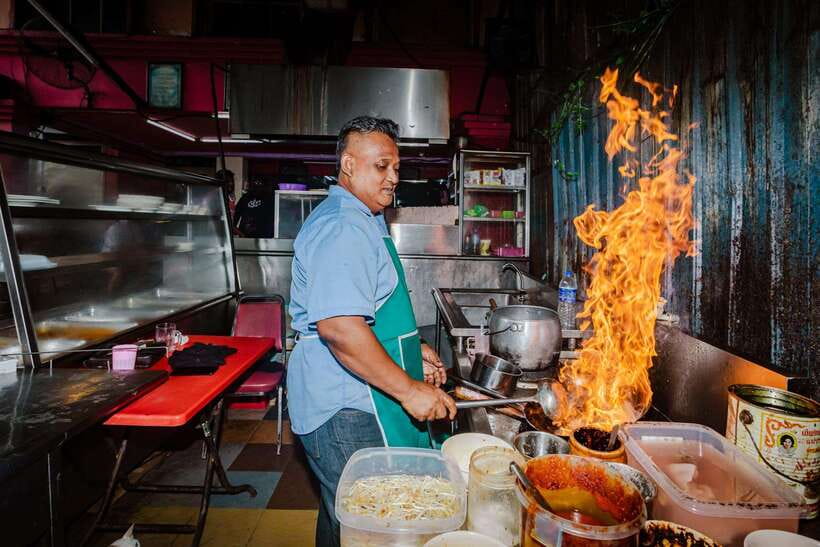
Come hungry, leave happily overwhelmed. This four-hour Kuala Lumpur food walk packs in more than 15 tastings, local markets, traditional eateries, and plenty of Malaysian food history without keeping you trapped in the usual tourist circuit. I especially like the small group of no more than eight people and the way the tour uses ordinary local food spots rather than polished restaurants. I also like the range, from familiar nasi lemak and satay to durian cendol, grilled mackerel with sambal, and hand-stretched roti.
The one concern is simple: there may be too much food. Several stops bring generous portions, and one participant wished there were fewer dishes. Vegetarians, vegans, and people with severe food allergies should also think carefully before booking, since the food choices are strongly centered on meat, seafood, and shared local preparations.
In This Review
- The essential details at a glance
- Meeting the guide near Jalan Tuanku Abdul Rahman
- Starting with ingredients at a local market
- Chow Kit: local food away from the postcard Kuala Lumpur
- Roti canai and the fun of seeing food made
- Kampung Baru and the flavors of Malay cooking
- More than 15 tastings means a serious dinner
- How the guides shape the evening
- Is $53 good value in Kuala Lumpur?
- Rain, walking, and what to bring
- Who should book this food walk?
- Should you book the Sambal Street Food Tour?
- FAQ
- How long does the Kuala Lumpur food tour last?
- How many food tastings are included?
- Where does the tour meet?
- Is the tour suitable for vegetarians or vegans?
- Can dietary needs be accommodated?
- Does the tour run if it rains?
The essential details at a glance
- More than 15 tastings: Expect a full meal, not a few sample bites.
- Kampung Baru and Chow Kit: Walk through two traditional parts of Kuala Lumpur that feel far removed from the city’s towers and shopping malls.
- Small group format: The tour is limited to eight people, which makes it easier to ask questions and adjust spice levels.
- Local dishes with context: You learn how ingredients, migration, religion, and Malaysian customs shape the food.
- Rain or shine: Comfortable shoes, an umbrella, and rain gear are sensible additions.
- English speaking local guide: Guides such as Kiran, Nadia, Ian, Sam, Sean, Steve, and Jay have been praised for their warmth, food knowledge, and care with dietary needs.
Meeting the guide near Jalan Tuanku Abdul Rahman
The tour begins outside the entrance of the Hilton Garden Inn South, on the corner of Jalan Raja Alang and Jalan Tuanku Abdul Rahman. This is a useful starting point because you are close to the Chow Kit and Kampung Baru areas, where much of the food activity takes place.
You will need to make your own way there. Hotel pickup and drop off are not included, so allow time to find the correct Hilton Garden Inn entrance. The word South matters here. Kuala Lumpur has more than one Hilton Garden Inn, and turning up at the wrong one would be a poor opening course.
The group size is one of the tour’s practical strengths. Eight people is small enough for the guide to hear questions and keep track of everyone at crossings, markets, and food stalls. It also gives the evening a social feel without turning it into a moving crowd.
Guides vary by date, but the names appearing often include Kiran, Nadia, Ian, Sam, Sean, Steve, Stephen, and Jay. Their styles differ, yet the strongest pattern is clear: the guide is central to the experience. Kiran has been praised for adjusting dishes to suit spice tolerance and encouraging adventurous eaters. Nadia has helped people find the LRT after the tour. Sam has been particularly attentive with pescatarian needs and questions.
More Food Tours in Kuala Lumpur
- Sambal Streets Kuala Lumpur Food Tour with 15+ Tastings
★ 5.0 · 2,438 reviews - The 10 Tastings of Kuala Lumpur With Locals: Private Street Food Tour
★ 5.0 · 249 reviews - Kuala Lumpur Local Street Food Private Walking Tour by Night
★ 4.5 · 224 reviews
Starting with ingredients at a local market
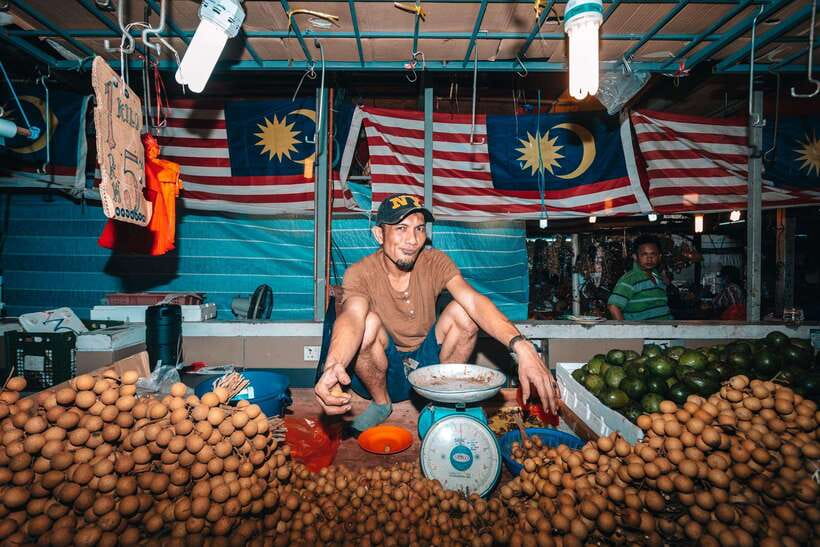
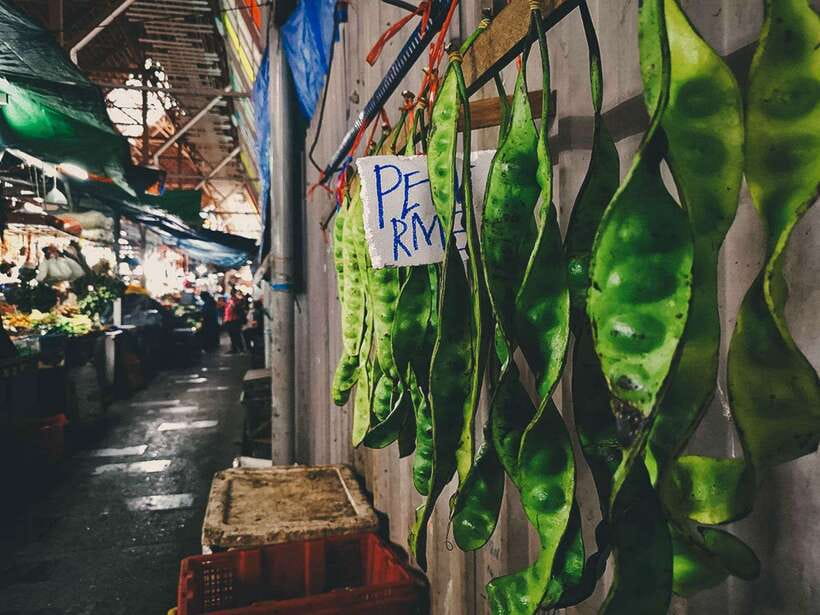
One of the smartest features is the early market walk. Instead of introducing Malaysian food only after it reaches your plate, the guide shows you the produce and ingredients used in local cooking.
This helps you make sense of a cuisine that can otherwise seem like a long list of unfamiliar names. You may encounter ingredients linked to coconut, chili, herbs, seafood, rice, noodles, and sweet desserts. The guide connects what you see in the market to the dishes you eat later, which turns the meal into a lesson in how Malaysian cooking works.
The market visit also gives you a first look at everyday Kuala Lumpur. You are not simply passing through a market for a photo. You are seeing where local meals begin and hearing how food connects with the country’s Malay, Chinese, Indian, and wider Southeast Asian influences.
The pace matters here. Guides such as Jay and Kiran have been praised for keeping the walk relaxed, with enough time to explain dishes without making the group stand around waiting. Ian has also been praised for answering a long stream of questions, though one participant found it difficult to hear every explanation over distance and background noise.
That is worth noting if you have hearing difficulties. The guide may be moving through active streets and busy food areas, so stay close when an explanation begins. The small group helps, but there is no mention of microphones or earpieces.
Chow Kit: local food away from the postcard Kuala Lumpur
The walk takes you through Chow Kit, one of the city’s traditional neighborhoods. It offers a useful contrast to the glass towers, hotel districts, and major shopping zones most first time visitors see.
You might find the streets less polished than the main tourist areas, but that is part of the point. The appeal is not a carefully staged village. It is the chance to see a working part of the city and eat at places that local residents use.
The guide provides context about Kuala Lumpur, Malaysian culture, and the ingredients appearing on the table. This makes the walking sections more than a way to burn calories between dishes. You begin to see how food, neighborhood life, religion, and migration have shaped the city.
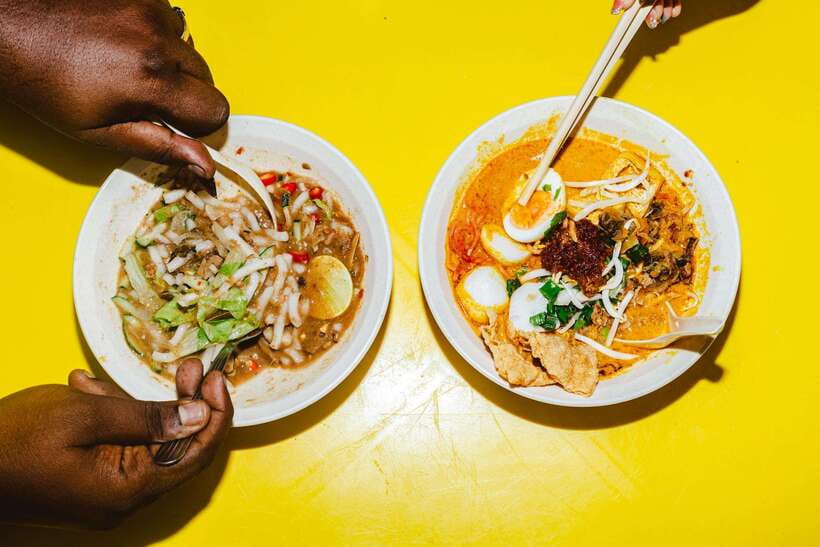
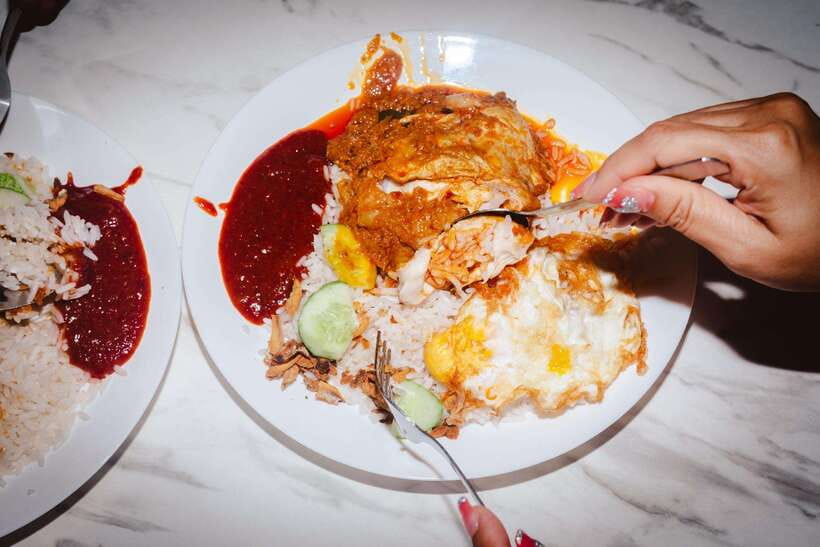
Food stops can include classic dishes such as nasi lemak, Malaysia’s well known coconut rice dish, and curry laksa or mama mee. You may also try different local fruits and drinks. The exact selection can change, which is normal for a food walk based on market availability and the day’s cooking.
A useful tip is to eat lightly before arriving, or skip a full meal. The tour provides enough food to leave you very full. Several people specifically wished they had arrived with a completely empty stomach.
Roti canai and the fun of seeing food made
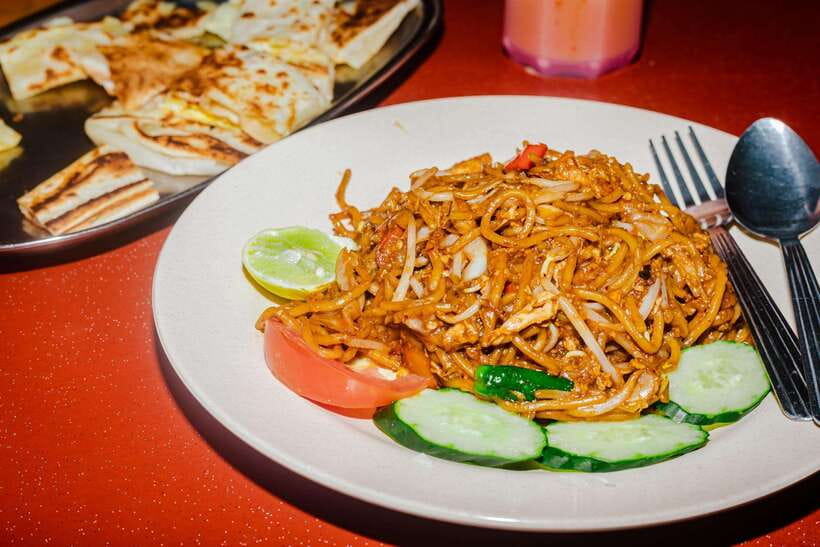
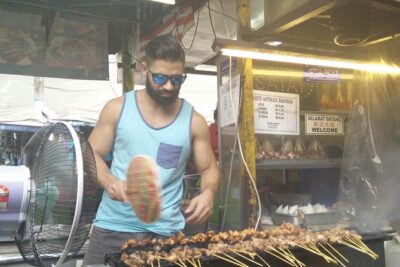
The roti stop adds a bit of action to an otherwise eat, listen, and walk routine. You may get to watch or try the process of stretching and flipping roti canai before eating it with curry.
Roti canai is a good dish for understanding the Indian influence on Malaysian food. It is also simply fun. The dough work gives the guide something practical to demonstrate, and it offers you a chance to take part rather than only receive another plate.
The accompanying curries add spice, warmth, and texture. If you are cautious with chili, tell the guide early. Stephen and Kiran have been praised for checking spice preferences and arranging milder choices when needed.
This is also where the portion problem begins to become real. Fifteen or more tastings sounds like small samples, but the food is described as plentiful and sometimes voluminous. You can ask for modest portions at the start so you have room for later stops.
A completely different kind of day out:
- Kuala Lumpur: Batu Caves Half-Day Tour with Pick-Up Option
★ 4.5 · 4,288 reviews - Private Half-Day Batu Caves and Cutural Tour in Kuala Lumpur
★ 5.0 · 3,107 reviews - Historical Malacca Guided Day Tour (Shared Tour)
★ 5.0 · 2,172 reviews - From Kuala Lumpur: Batu Caves Cultural Temple Tour
★ 4.7 · 1,453 reviews
Kampung Baru and the flavors of Malay cooking
Kampung Baru is one of the most memorable parts of the route. It is a traditional Malay neighborhood in the middle of modern Kuala Lumpur, and the tour uses it to show you a side of the city that is easy to miss.
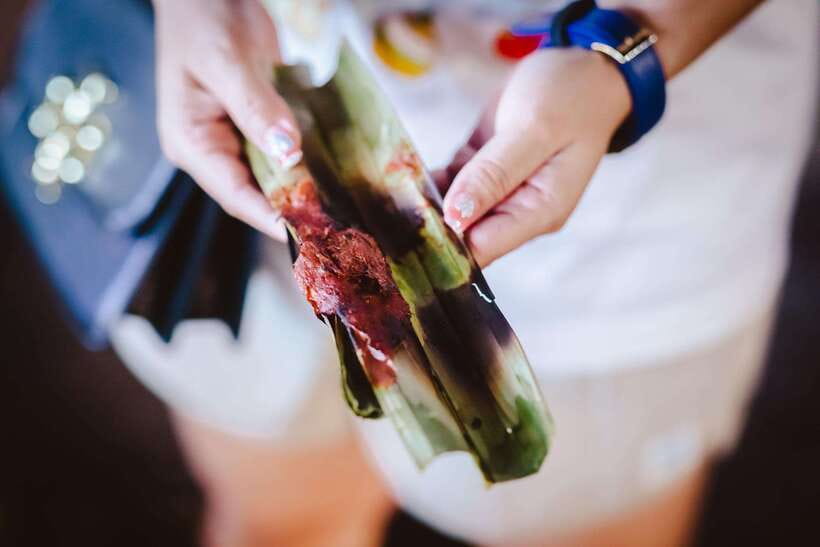
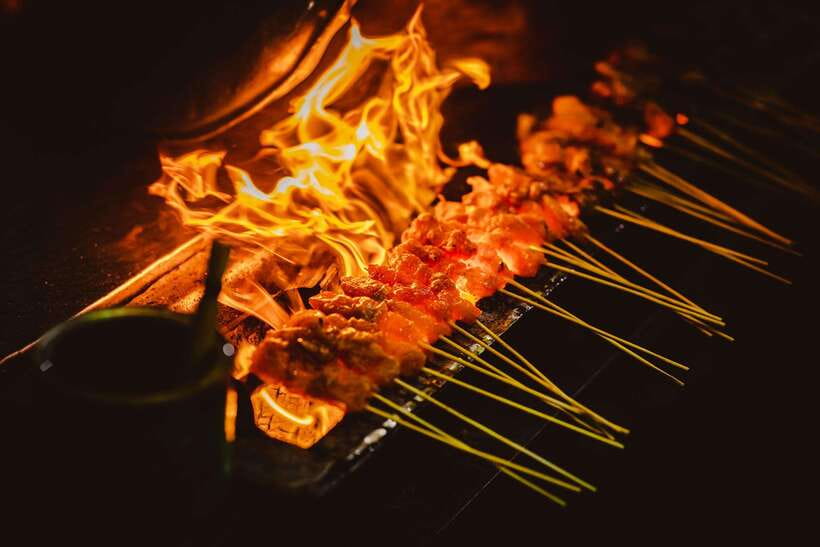
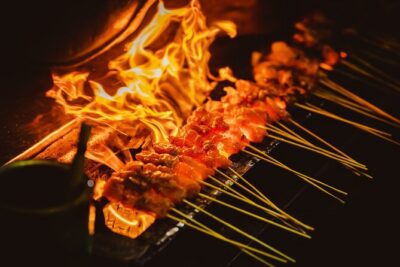
Here, the food focus shifts toward Malay flavors, grilled dishes, coconut, sambal, rice, and strong spice. Nasi lemak and rendang help explain the depth of local home style cooking, while flame grilled chicken skewers arrive with peanut satay sauce.
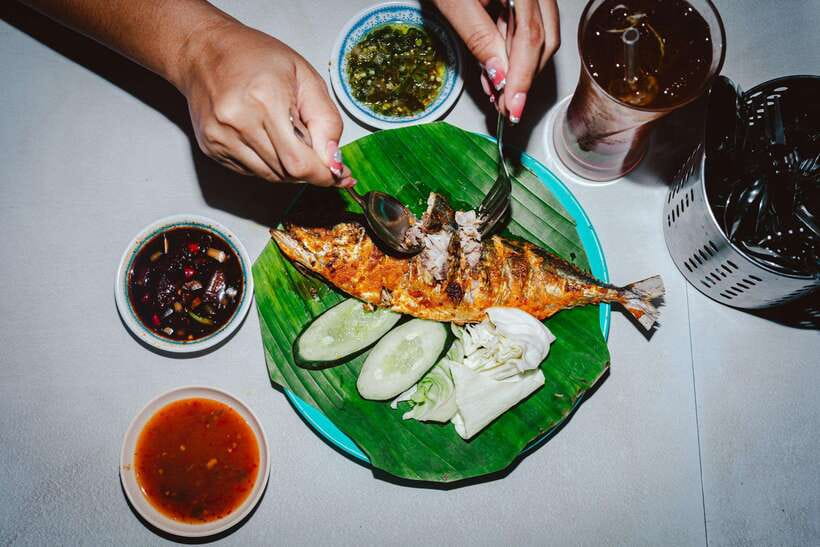
The grilled mackerel with sambal is another important stop. The fish is prepared with banana leaf, a method that adds aroma and keeps the cooking tied to local ingredients and customs. Sambal brings heat, sweetness, and savory depth, though its intensity can vary.
You may also encounter foods that are less familiar to first time visitors. Durian cendol combines a cold, sweet dessert with durian, a fruit whose smell and custard like texture divide opinion. This is not a dish to approach timidly if you want only familiar food, but it is exactly the sort of taste that makes a food tour worthwhile.
The guide helps you understand what you are tasting before you commit to a full mouthful. Nadia, Ian, and Kiran have all been praised for explaining ingredients and cultural background in a lively way rather than turning the evening into a classroom lecture.
More than 15 tastings means a serious dinner
The advertised food count is a major selling point, but you should read it as a full eating session. The tour may include:
- Roti canai with curry
- Nasi lemak
- Rendang
- Chicken satay with peanut sauce
- Grilled mackerel with sambal
- Curry laksa
- Mama mee
- Cendol with durian
- Seasonal fruits
- Local drinks, including a mango shake on some departures
That list is not a guaranteed menu for every date, but it shows the range. You move across Malay, Indian, Chinese, and broader Malaysian food traditions rather than eating several versions of the same dish.
The variety is valuable because Malaysian cuisine is not one single style. Kuala Lumpur’s food culture reflects different communities living and cooking alongside one another. A plate of noodles, a rice dish, a curry, a grilled skewer, and a shaved ice dessert can tell you more about the country than a single restaurant meal.
The evening is also paced in stages. You walk between stops, eat, listen, and continue. This is better than sitting down to 15 plates at once, though you should still expect to feel full well before the final stop.
One participant suggested reducing the number of dishes and shortening the tour to lower the price. That is a fair criticism for small eaters. If you dislike large meals or prefer to focus closely on each dish, the abundance may become tiring. If you see food as the main reason to book, the quantity is a strong part of the value.
How the guides shape the evening
The guide makes the difference between a useful food route and a simple sequence of restaurant visits. The strongest guides do several jobs at once: they explain the dishes, manage the group, watch spice levels, answer questions, and keep the meal moving.
Kiran has been praised for humor, warmth, and a willingness to order extra adventurous dishes for people who wanted them while finding gentler choices for others. Nadia has been praised for her personal attention and for helping someone reach the LRT after the tour. Ian is often described as energetic and friendly, with a talent for creating an easy mood among people who arrived as strangers.
Sam has been especially good at handling dietary questions and avoiding unnecessary food waste. The approach is to order enough for everyone without putting too much food on the table at once. If the group wants more, the guide can add it. That is a small but welcome detail.
The food is served in local eateries, and cleanliness has been specifically praised. You are still eating street food and casual food, not dining in controlled hotel conditions. The provider says to tell them about dietary needs at booking, and that lactose intolerance and other diets can be supported in some cases.
Still, do not stretch that promise too far. The tour is not suitable for vegetarians or vegans, and it is not recommended for severe food allergies because alternatives are limited at several stops. A pescatarian participant was accommodated, but you should contact the provider before booking rather than assume every dietary request can be met.
Is $53 good value in Kuala Lumpur?
At $53 per person, this is not the cheapest way to eat in Kuala Lumpur. You could buy individual dishes from local stalls for much less.
But recreating this evening on your own would mean finding the right neighborhoods, identifying reliable eateries, understanding the menu, ordering enough variety, and working out how to move between stops. The fee also covers more than 15 tastings, bottled water, the local guide, and four hours of organized walking.
I see the price as fair for a first visit, especially if you want both food and cultural explanation. It is less compelling for someone who already knows Kuala Lumpur’s food districts and is comfortable ordering independently.
The small group improves the value. A larger tour would make it harder to hear the guide and harder to adjust dishes for spice or dietary needs. Here, the guide can pay attention to individuals, and the group can decide when it wants more of a particular dish.
Alcohol is not included, and alcohol and drugs are not allowed. That will not matter to most people, since the food is the central event, but you should budget separately if you want drinks after the tour.
Rain, walking, and what to bring
The tour runs rain or shine. Kuala Lumpur’s weather can turn wet quickly, so bring an umbrella and rain gear rather than hoping the forecast behaves.
Wear comfortable shoes. You will spend four hours walking between markets, eateries, and neighborhoods, with pauses for food. This is not a hard hike, but wet pavement and long periods on your feet can make poor footwear a nuisance.
Arrive hungry, but not uncomfortably so. A very light breakfast or lunch is sensible if you are taking the tour later in the day. The final dishes may be as enjoyable as the first, but only if you have left some room.
The tour starts and ends on time according to one detailed account, though the exact starting time depends on availability. It is a useful activity for one of your first days in Kuala Lumpur because it gives you a working guide to local dishes for the rest of your stay.
Who should book this food walk?
I would recommend it most strongly to first time visitors who want a quick education in Malaysian cuisine without spending days testing restaurants at random.
It is also a good fit for solo visitors. The small group makes it easy to meet people, and the guides work to create a friendly atmosphere. Couples and food loving families with older children may also enjoy the steady pace and broad menu.
You should book with care if you have strict dietary limits. Lactose intolerance and some other needs may be supported, but vegetarians, vegans, and people with severe allergies are not a good match for this particular route.
This is also not the right tour for anyone seeking a short snack outing. Four hours and 15 or more tastings add up to a full evening. You may finish with a very full stomach, which is either a victory or a warning, depending on your appetite.
Should you book the Sambal Street Food Tour?
Book it if you want to understand Kuala Lumpur through its food, prefer local neighborhoods to polished tourist stops, and enjoy trying dishes you would not order alone. The combination of Kampung Baru, Chow Kit, market ingredients, roti making, grilled fish, satay, nasi lemak, and durian gives you a broad first look at Malaysian cooking.
Skip it if you want a small meal, need a fully vegetarian menu, or have a serious allergy that requires complete control over ingredients. For everyone else, the $53 price is reasonable when you count the food, the small group, the guide, and the confidence you gain for eating on your own afterward.
The best practical move is to book this near the beginning of your Kuala Lumpur stay, arrive very hungry, stay close enough to hear the guide, and carry rain protection. If Kiran, Nadia, Ian, Sam, Sean, Steve, Stephen, or Jay is leading your departure, expect the guide’s personality to be a big part of the evening.
FAQ
How long does the Kuala Lumpur food tour last?
The tour lasts four hours and includes walking between local markets and eateries.
How many food tastings are included?
The tour includes more than 15 tastings, along with bottled water.
Where does the tour meet?
Meet outside the entrance of the Hilton Garden Inn South on the corner of Jalan Raja Alang and Jalan Tuanku Abdul Rahman.
Is the tour suitable for vegetarians or vegans?
No. The tour is not suitable for vegetarians or vegans because the stops offer few alternatives.
Can dietary needs be accommodated?
Lactose intolerance and some other dietary needs can be supported. You should provide details when booking. The tour is not suitable for severe food allergies, and strict dietary requirements should be confirmed before reserving.
Does the tour run if it rains?
Yes. The tour runs rain or shine. Bring comfortable shoes, an umbrella, and rain gear.
Just added in Kuala Lumpur
- Explore Kuala Lumpur: Iconic City Landmarks & Batu Caves★ 5.0 · 15 reviews
- Batu Caves And Putrajaya Cruise Excursion Tour From Port Klang★ 5.0 · 1 review
- AVANI Sepang Goldcoast Resort Hotel TO Kuala Lumpur Hotel Door to Door Transfer★ 4.5 · 3 reviews
- Private Hire Taxi Driver Port Klang Cruise Terminal To KL Tour★ 5.0 · 1 review
- Airport Layover: Kuala Lumpur Full-Day Tour★ 4.0 · 1 review
- Kuala Lumpur Airport Transfer★ 5.0 · 29 reviews
- Transfer To Avani Sepang Goldcoast Resort★ 5.0 · 2 reviews
- Airport Layover Tour: Kuala Lumpur Full-Day★ 4.5 · 6 reviews
Food Tours in Kuala Lumpur, compared.
Sambal Streets Kuala Lumpur Food Tour with 15+ Tastings
Read our review →
The 10 Tastings of Kuala Lumpur With Locals: Private Street Food Tour
Read our review →
Kuala Lumpur Local Street Food Private Walking Tour by Night
Read our review →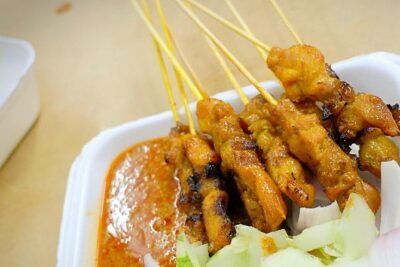
Eat Like a Local: Kuala Lumpur Hawker Center and Street Food Tour by Night
Read our review →
Laksa Lanes Kuala Lumpur Food Tour with 14+ Tastings
Read our review →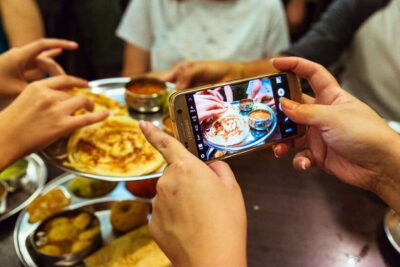
Browse the lists this tour appears in