
Reviewed · WILDLIFE
Langkawi: Wildlife Park Admission Ticket
Animals up close make this park memorable. Langkawi Wildlife Park gives you a relaxed way to see more than 150 animal species in a fully covered setting, with tropical gardens, aviaries, feeding sessions, and hands-on encounters. I like the wide mix of animals, from flamingos and mouse-deer to crocodiles, otters, parrots, and hornbills. I also like the clean grounds and the chance to feed some animals with a 10 RM basket.
The main drawback is that the crocodile feeding show runs only on Fridays and Saturdays, so you need to plan around its 11:00 AM or 4:00 PM times. The park is also more about close encounters and family fun than a large-scale safari experience, so wildlife specialists may find the visit fairly compact.
In This Review
- Key points to know before you go
- What makes Langkawi Wildlife Park different
- Starting at the ticket counter
- Tropical gardens and gentle animal encounters
- The aviary, parrots, and hornbills
- Emus, deer, otters, and crocodiles
- Feeding animals with the 10 RM basket
- Clean grounds and animal care
- How to plan your one-day visit
- Who will enjoy this park most
- Practical value, cancellation, and booking flexibility
- Should you book Langkawi Wildlife Park?
- FAQ
- Where is Langkawi Wildlife Park located?
- How much does admission cost?
- How long is the ticket valid?
- What are the park’s opening hours?
- When is the crocodile feeding show available?
- What ages qualify as adults, children, and seniors?
- Can you feed animals at the park?
- Can you bring outside food or alcohol?
Key points to know before you go
- Asia’s first fully covered wildlife park: You can explore the animal areas and gardens with shelter from Langkawi’s hot sun and frequent rain.
- More than 150 animal species: Expect birds, mammals, reptiles, fish, and familiar farm-style animal encounters in one visit.
- A 10 RM feeding basket adds value: It lets you feed selected animals, a highlight for children and anyone who enjoys direct interaction.
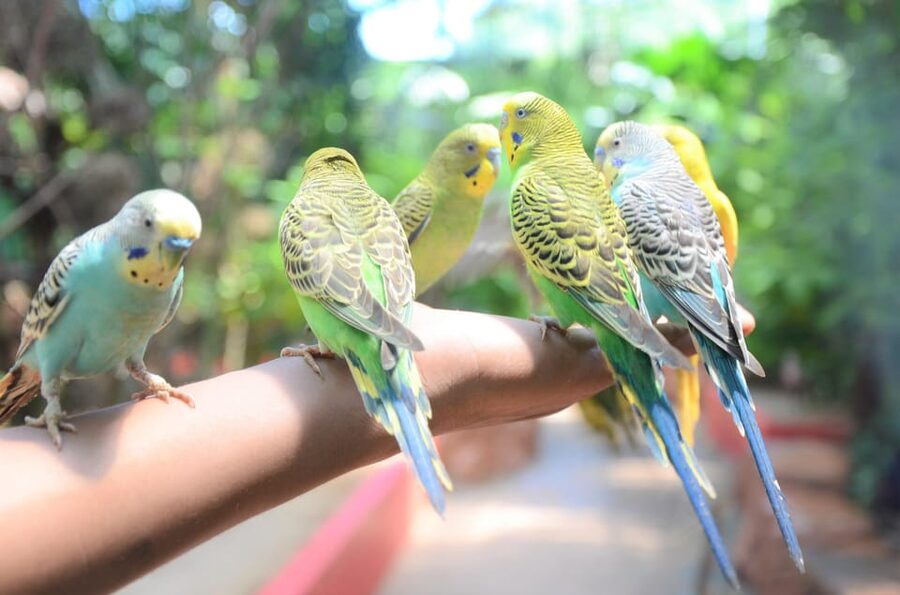
- The aviary is a major stop: Colorful parrots and exotic hornbills give bird fans a good reason to take their time.
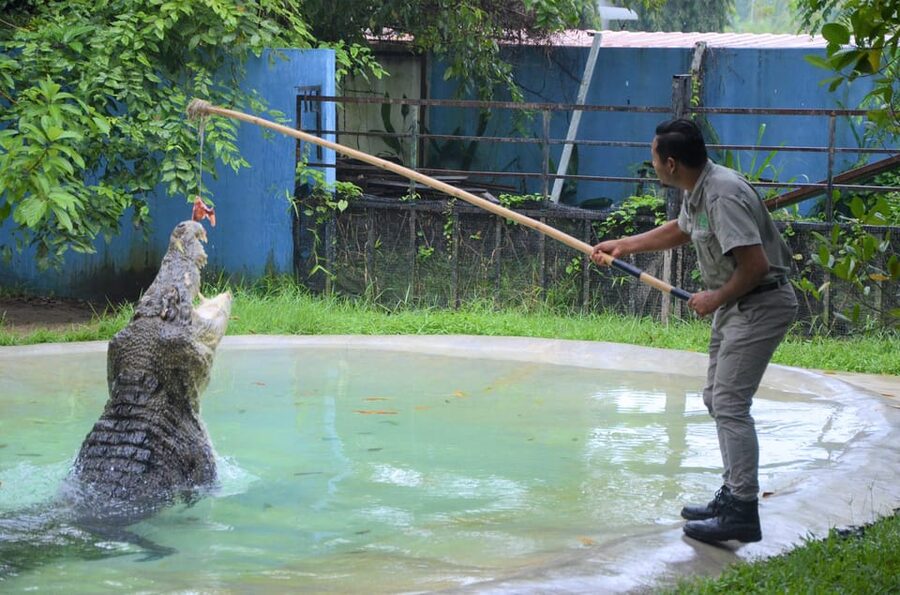
- Crocodile feeding is limited: The show takes place only on Fridays and Saturdays at 11:00 AM and 4:00 PM.
- A flexible one-day ticket: You can visit any time during operating hours on your chosen day, with last entry at 5:00 PM.
What makes Langkawi Wildlife Park different
Langkawi Wildlife Park is designed for easy animal viewing rather than a long trek through open grounds. Its fully covered design is a real practical advantage in Kedah, where heat and sudden rain can change your plans quickly.
You walk through a sheltered park filled with planted areas, animal enclosures, and bird spaces. The cover does not make the setting feel sterile. Tropical gardens and ponds help create a softer backdrop, while the paths keep the visit manageable for families with children.
I see this as a useful choice when you want a wildlife stop without committing an entire day to a demanding outdoor attraction. The ticket is valid for one day, but most of the value comes from moving at an unhurried pace, stopping for feeding sessions, and spending time in the aviary.
The park houses more than 150 species. That number matters because the experience is not built around just one star animal. You get a broad introduction to birds, mammals, reptiles, and fish, with enough variety to keep younger children interested.
More Langkawi trips:
- Langkawi: Kilim Mangrove Boat Tour with Lunch and Pickup
★ 4.8 · 899 reviews - Langkawi : Premium Jet Ski Tour Including Dayang Bunting Island
★ 5.0 · 704 reviews - Langkawi Jet Ski Tour Dayang Bunting Free Drone Video
★ 4.8 · 517 reviews
Starting at the ticket counter
Your visit begins at the ticket counter at Langkawi Wildlife Park. You do not need to search for a separate meeting point or wait for a guide. Proceed directly to the counter to redeem your admission ticket.
The advertised price is $11 per person. That is a fair price if you plan to use the feeding opportunities and stay long enough to see several sections of the park. It is less compelling if you only want a quick walk past a few enclosures, but the covered paths make it easier to stay longer without worrying about the weather.
The ticket covers admission only. Food, drinks, transport, and optional feeding items are not included. The 10 RM basket is an extra cost, but it may be worthwhile if you want the hands-on part of the visit. Feeding is one of the details that gives this park more character than a standard look-and-leave zoo stop.
Adult tickets apply to ages 12 through 59. Children are ages 2 through 11, and seniors are 60 and above. The supplied information does not give separate ticket prices for these age groups, so check the current booking details before paying.
Tropical gardens and gentle animal encounters
The tropical gardens are a good place to settle into the visit. Instead of rushing straight from one enclosure to the next, take time to look around the planted areas, where animals appear among the greenery and ponds.
Flamingos provide one of the most obvious visual highlights. Their shape and color make them easy for children to spot, while the surrounding gardens give you a calmer break from the busier animal areas.
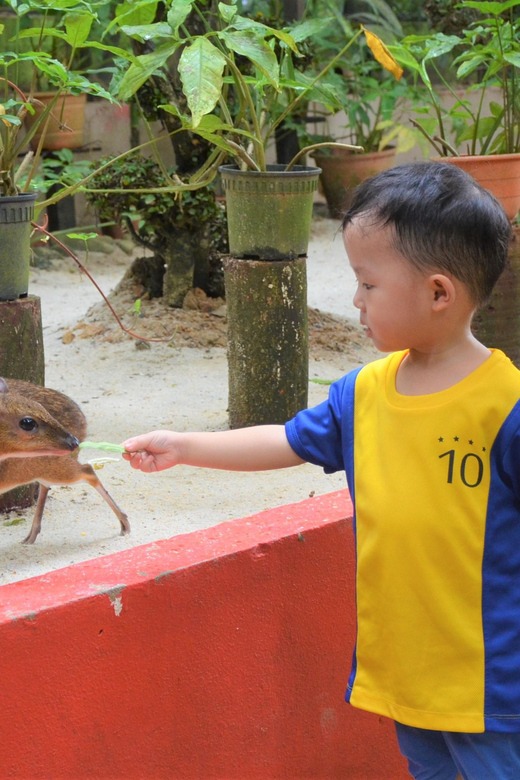
The mouse-deer offer a different kind of encounter. These small animals are less showy than flamingos, but they are a distinctly regional-feeling part of the park experience. You might also see auricle foxes, an unusual inclusion that adds variety to the mammal collection.
Koi add movement around the water features. They are not rare or dramatic animals, but they help make the garden areas feel active, especially for young children who enjoy watching fish move through ponds.
The animal sections are not only about looking. Feeding and close contact are part of the park’s appeal, although the available information does not say that every species can be fed or touched. Follow the staff instructions and use the approved feeding basket rather than bringing your own food.
The aviary, parrots, and hornbills
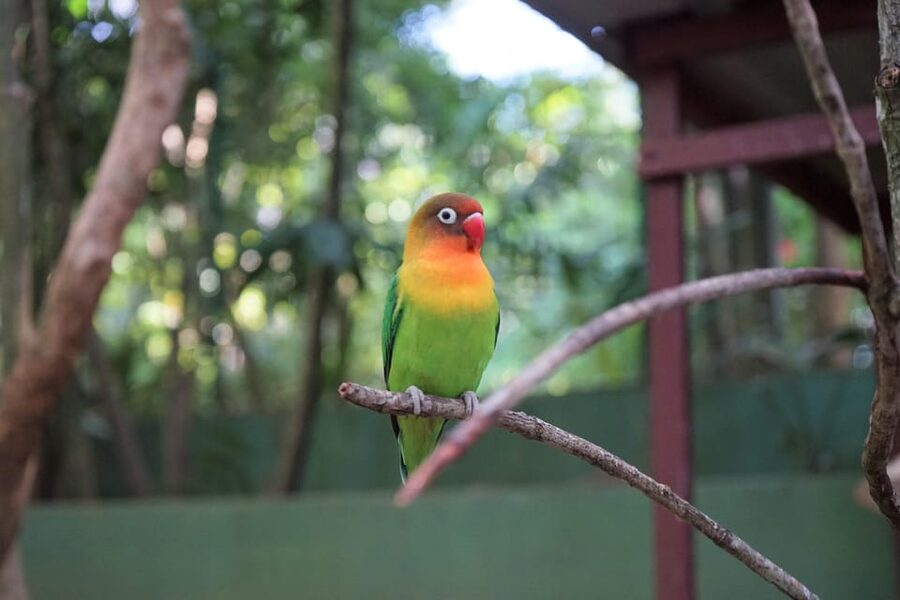
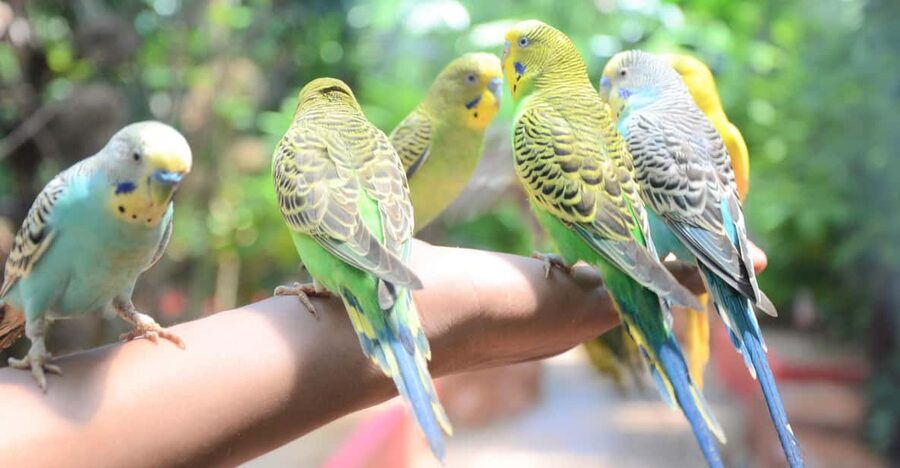
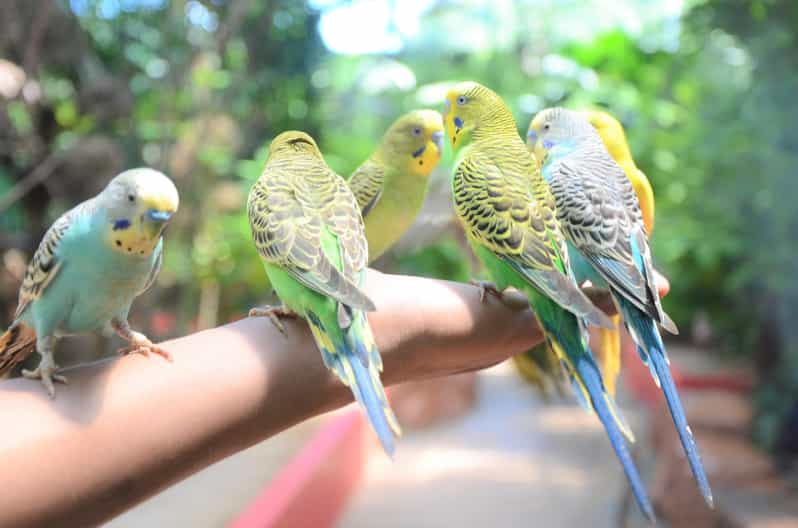
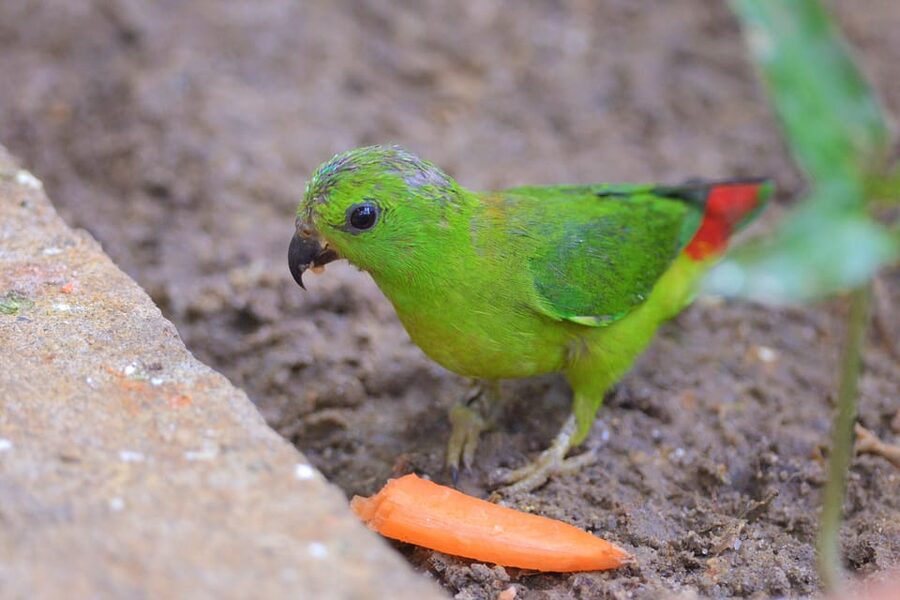
The aviary deserves a proper stop, especially if you enjoy birds. It houses brilliantly colored parrots and exotic hornbills, giving you a chance to see species that can be easy to miss in the wild.
Parrots tend to draw children first because of their color and lively behavior. Hornbills offer something more distinctive. Their unusual bills and shapes make them one of the more memorable parts of the bird collection.
I would not hurry through this area. Bird enclosures reward patience, and the covered setting lets you watch without standing in full sun. If you are visiting with children, this is a useful place to slow down after the excitement of animal feeding.
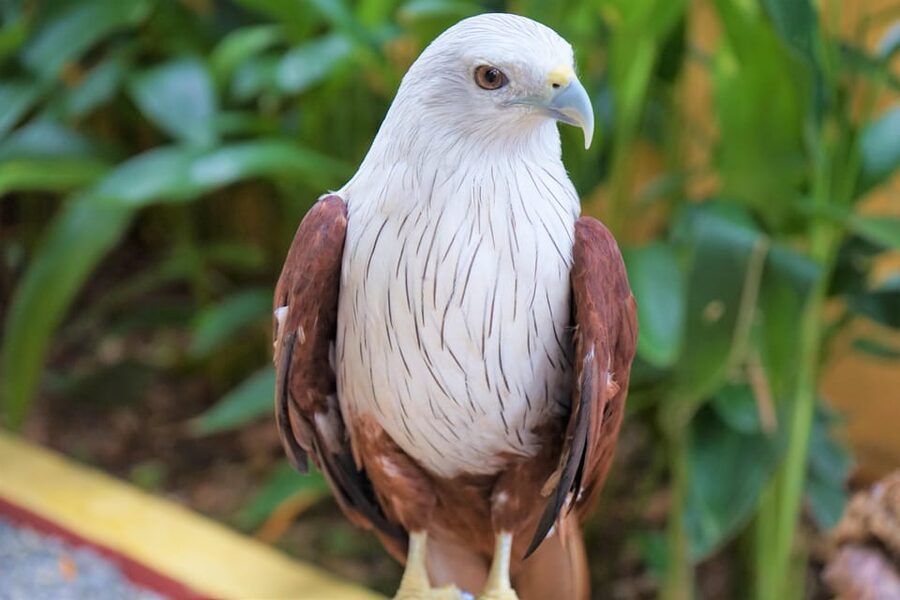
The park also includes pelicans. Their size makes them easy to notice, and they add another type of bird to an already varied collection. The combination of parrots, hornbills, flamingos, and pelicans gives the visit more range than a small petting area would provide.
More Wildlife Tours in Langkawi:
- Borneo Wildlife Tour 3 Days 2 Nights At Tanjung Bulat Jungle Camp Kinabatangan
★ 4.5 · 100 reviews - Semenggoh Wildlife Centre Tour: Discover Sarawak’s Orangutans
★ 5.0 · 34 reviews - Klias Wildlife Safari River Cruise – Proboscis Monkey & Fireflies
★ 4.5 · 23 reviews - Borneo Wildlife Tour 2 Days 1 Night At Tanjung Bulat Jungle Camp Kinabatangan
★ 5.0 · 23 reviews
Emus, deer, otters, and crocodiles
The larger animal encounters bring a different pace to the visit. Emus are tall and striking, while deer offer a gentler sight. These animals help broaden the experience beyond birds and small mammals.
Otters are likely to be a favorite with families. Their playful behavior gives the park a lively moment, especially after quieter stops in the gardens or aviary. If feeding is available in that area, the experience may feel even more direct, but you should follow the park’s current instructions about which animals can receive food.
Crocodiles add a more serious edge. You can see them as part of the animal collection, and on selected days you can also watch a feeding show. The show is held only on Fridays and Saturdays, at 11:00 AM and 4:00 PM.
That limited schedule is important. If crocodiles are a main reason for your visit, choose one of those days and arrive in time for the presentation. On other days, you can still see the crocodiles, but the feeding show will not be available.
The park also provides educational presentations and feeding sessions. These activities help explain animal behavior and habitats rather than leaving you to walk past enclosures without context. The exact presentation schedule is not provided, so check at the park when you arrive.
Feeding animals with the 10 RM basket

The optional feeding basket is one of the most useful extras at this attraction. It costs 10 RM, and it allows you to feed selected animals under the park’s rules.
For children, this can change the visit from simple observation into a hands-on activity. One family particularly valued being able to feed the animals, and the experience was a big hit with two boys. That makes the basket worth considering if you are visiting with children who need more than a viewing window to hold their attention.
Adults may enjoy it too, especially if you like close animal contact. A French visitor specifically advised taking the 10 RM basket, which is a practical tip rather than a sales pitch. I would buy it only if feeding is something you genuinely want to do, since it is not needed to enjoy the gardens, aviary, or general animal displays.
Do not bring outside food for the animals. Outside food and alcoholic drinks are prohibited inside the park. The feeding basket is the safer option because it is intended for approved animal encounters.
Keep in mind that feeding does not mean every animal can be handled. The park offers close interactions, but species rules vary. Let the keepers guide you, and avoid reaching toward an animal unless staff clearly permit it.
Clean grounds and animal care
The condition of the park matters as much as the species list. A visit feels much better when the paths and animal areas are clean, and the available feedback points to a well-kept setting.
You can expect staff to be involved in feeding and presentations. Their role is important because close encounters work best when someone explains how to approach the animals and when to stop.
The park has also been praised for animals that appear healthy and well cared for. That does not replace your own judgment, but it is a positive sign when you are deciding how to spend family time and money.
The clean setting is especially useful in a covered park, where visitors spend more time close to the enclosures. Good upkeep makes the experience more comfortable and keeps the focus on the animals rather than on avoidable mess or clutter.
How to plan your one-day visit
Langkawi Wildlife Park opens daily from 8:30 AM to 6:00 PM. Last entry is at 5:00 PM, so do not arrive close to closing and expect a full visit.
An early start gives you the most time and leaves room for feeding sessions, presentations, the aviary, and the crocodile show if you visit on Friday or Saturday. The 11:00 AM crocodile presentation may fit naturally into a morning visit. The 4:00 PM show suits a later arrival, but you should still enter before the 5:00 PM last-entry deadline.
Because the ticket is valid for one day, you can set your own pace. The supplied details do not state whether re-entry is allowed, so do not assume you can leave and return without checking at the counter.
I would allow several hours rather than treating the park as a quick photo stop. The exact visit length depends on how long you spend feeding animals, watching birds, and waiting for presentations. Families may need extra time because children often want to return to favorite animals.
Wear clothing suited to a warm tropical setting, but remember that the park is fully covered. The roof helps with sun and rain, though it does not turn the attraction into an air-conditioned indoor center.
Who will enjoy this park most
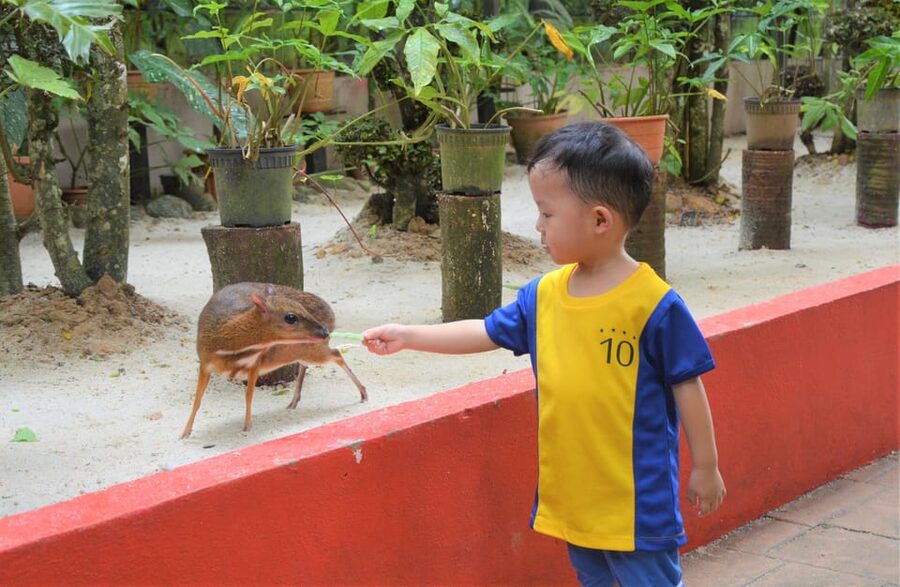
This is a strong fit for families with children. The combination of feeding, animal contact, colorful birds, fish ponds, and short educational activities gives children several ways to stay interested.
It also works well for adults who want a low-pressure wildlife visit. You do not need specialist knowledge to enjoy the park, and the collection includes familiar animals alongside less common species such as mouse-deer, hornbills, and auricle foxes.
Bird lovers should make the aviary a priority. The parrots and hornbills are among the most distinctive parts of the visit, while flamingos and pelicans add more variety.
The park may be less satisfying if you want a large open-range setting or a full-day conservation-focused program. The available details present it as a covered wildlife park with close encounters, gardens, feeding, and presentations. That is its strength, but it also sets the right expectation: this is an accessible animal attraction, not a safari.
Practical value, cancellation, and booking flexibility
At $11 per person, the ticket offers reasonable value when you use the park’s main features. The covered paths protect your plans from rain, the admission lasts for one day, and the animal collection includes more than 150 species.
The optional 10 RM feeding basket is the main extra to budget for. It is not required, but it can be the most memorable part of the visit for children and anyone who enjoys direct animal interaction.
You can cancel up to 24 hours in advance for a full refund. The reserve-now-and-pay-later option also gives you flexibility if your Langkawi schedule is still changing.
No credit terms are permitted, and outside food and alcoholic beverages are not allowed inside. Those rules are simple, but knowing them in advance prevents a needless problem at the entrance.
Should you book Langkawi Wildlife Park?
I would book this ticket if you want a family-friendly wildlife stop with shelter from the weather, animal feeding, and a broad mix of species. The clean setting, friendly keepers, and close encounters give the park more appeal than a basic zoo visit.
Choose your date carefully if the crocodile feeding show matters to you. Friday and Saturday are the only days with presentations, at 11:00 AM and 4:00 PM.
Skip it if you are looking for a vast natural reserve or a long wildlife expedition. Book it if you want an easy, flexible visit where you can see parrots, hornbills, flamingos, emus, otters, deer, crocodiles, koi, and other animals in one covered park. For $11, it is a sensible Langkawi activity, especially when you add the feeding basket and give yourself enough time to enjoy the park properly.
FAQ
Where is Langkawi Wildlife Park located?
Langkawi Wildlife Park is located in Kedah, Malaysia.
How much does admission cost?
The listed price is $11 per person. The supplied information does not provide separate prices for adults, children, or seniors.
How long is the ticket valid?
The admission ticket is valid for one day.
What are the park’s opening hours?
The park is open Monday through Sunday from 8:30 AM to 6:00 PM. Last entry is at 5:00 PM.
When is the crocodile feeding show available?
The crocodile feeding show is available only on Fridays and Saturdays, at 11:00 AM and 4:00 PM.
What ages qualify as adults, children, and seniors?
Adults are ages 12 through 59. Children are ages 2 through 11. Seniors are 60 years and above.
Can you feed animals at the park?
Yes. An optional feeding basket costs 10 RM and can be used to feed selected animals according to the park’s rules.
Can you bring outside food or alcohol?
No. Outside food and alcoholic beverages are strictly prohibited inside the park.
Just added in Langkawi
- Mega Langkawi Jet Ski Tour -Exploring The Beauty Of Island Nature★ 5.0 · 2 reviews
- Exclusive Langkawi: Your Private Island Adventure Awaits★ 5.0 · 19 reviews
- Private Stand Up Paddle Trip in Tanjung Rhu★ 5.0 · 24 reviews
- Sharing Half Day Mangrove Boat Tour With Lunch in Langkawi★ 4.5 · 16 reviews
- Langkawi Jet Ski + Island Hopping★ 4.5 · 2 reviews
- Private Telaga Tujuh Waterfalls and Hidden Blue Pool★ 4.5 · 7 reviews
- Langkawi Mangrove Boat Tour at Kilim Geoforest Park★ 5.0 · 1 review
- Private Tour to Langkawi Cable Car & Tanjung Rhu Beach★ 5.0 · 27 reviews
Wildlife, compared.
Borneo Wildlife Tour 3 Days 2 Nights At Tanjung Bulat Jungle Camp Kinabatangan
Read our review →
Klias Wildlife Safari River Cruise – Proboscis Monkey & Fireflies
Read our review →Borneo Wildlife Tour 2 Days 1 Night At Tanjung Bulat Jungle Camp Kinabatangan
Read our review →
Wildlife & Wonders: Orang Utan Island + Perak Cave Temple Tour
Read our review →
Sukau Rainforest Wildlife Journey & Dawn Cruises
Read our review →
2 Days 1 Night Bilit, Kinabatangan River Wildlife
Read our review →
Semenggoh Wildlife Centre: Orangutan Discovery from Kuching
Read our review →
Orangutan Island, A Responsible Wildlife Sanctuary Experience
Read our review →Browse the lists this tour appears in