
Reviewed · GUIDED
Mari Mari Cultural Village Tour with Transport, Guide and Lunch
Step into Sabah’s living traditions. The Mari Mari Cultural Village gives you a compact, hands-on look at five major ethnic groups, with traditional homes, food, music, and practical demonstrations all packed into a half-day visit. I especially like the interactive activities, including bamboo fire-making and blowpipe shooting, and the easy hotel pickup with lunch included. The main consideration is that the village can feel busy, and five cultures in five hours means you get an introduction rather than a detailed study.
Your guide can make a big difference. One particularly praised guide, Eddie, works as both guide and driver and adds commentary during the ride to the village. At $62.05 per person, the tour offers fair value if you want transport, admission, guiding, water, lunch, and a cultural performance handled in one booking. If you prefer quiet, independent visits, the planned group format may feel less flexible.
In This Review
- Key points to know before booking
- Why Mari Mari works as a first look at Sabah
- The 9:00 AM pickup and ride to the village
- Five traditional houses, five different viewpoints
- Fire-making, hunting skills, and the bamboo bridge
- Traditional snacks, rice wine, and the included lunch
- Gong music, warrior dances, and storytelling
- What $62.05 includes and what it saves you
- Who should book this five-hour experience?
- My verdict on Mari Mari Cultural Village
- FAQ
- What time does the Mari Mari Cultural Village tour start?
- How long does the experience last?
- Is hotel transportation included?
- Which ethnic groups are represented?
- Is lunch included?
- What is the maximum group size?
Key points to know before booking
- Five Sabah communities in one visit: See homes and customs connected with the Dusun, Rungus, Lundayeh, Bajau, and Murut peoples.
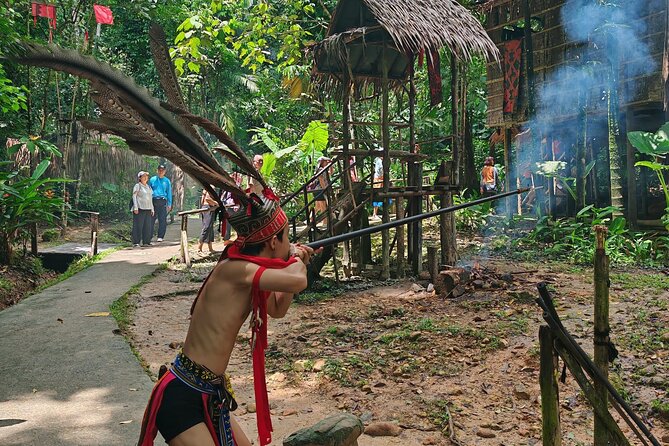
- Hands-on demonstrations: Try bamboo fire-starting, blowpipe shooting, and other activities rather than simply watching.
- Food is part of the lesson: Taste traditional snacks and homemade rice wine before sitting down to a Sabahan lunch.
- A guide-led half-day: The five-hour schedule begins with 9:00 AM hotel pickup and includes round-trip transport in an air-conditioned vehicle.
- Music and movement finish the visit: Gong music, warrior dances, and storytelling bring the cultural presentation to life.
- Small maximum group size: The tour is limited to 20 people, which should make questions and movement easier than on a large coach outing.
Why Mari Mari works as a first look at Sabah
Sabah is home to many distinct communities, and Mari Mari Cultural Village presents five of the major ethnic groups in a single setting. That makes the visit useful early in a Kota Kinabalu trip, especially if you want context before exploring more of the state.
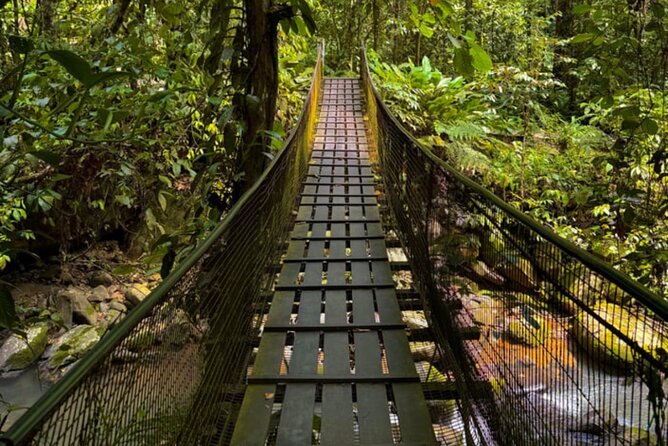
The village is set among rainforest, giving the experience a clear change of pace from Kota Kinabalu’s streets and waterfront. You move between traditional houses and demonstration areas with a guide explaining how each community used its home, tools, food, and skills.
I like this format because it gives you something to do at every stop. You are not only looking at a house or costume. You may watch fire being made from bamboo, see an old hunting method, try a blowpipe, cross a bamboo bridge, or sample food. Those small tasks help the information stick.
There is also a useful limit to what this tour can provide. Five communities in one morning is a broad introduction. You will hear important cultural details, but you will not become an expert on Dusun, Rungus, Lundayeh, Bajau, and Murut life in five hours. Think of it as a well-organized starting point.
More Kota Kinabalu trips:
- 2D1N Mount Kinabalu Climbing
★ 5.0 · 494 reviews - Bongawan River Cruise: Proboscis Monkey & Fireflies Mangrove
★ 4.8 · 437 reviews - Guided Snorkeling Day Trip, Kota Kinabalu, Sabah, Malaysia
★ 5.0 · 282 reviews
The 9:00 AM pickup and ride to the village
The day begins at 9:00 AM with hotel pickup. Round-trip transport is included, and the vehicle is air-conditioned, a welcome feature in Sabah’s warm climate. Bottled water is also provided.
The ride matters because the guide may begin the cultural explanation before you reach the site. Eddie, who has been praised for combining driving with enthusiastic commentary, reportedly explains the different groups and their way of life along the route. That can turn transfer time into part of the tour rather than dead time.
Pickup is offered, but you should check the precise meeting instructions at booking. The supplied information confirms a 9:00 AM start, not a universal pickup time for every hotel. If your accommodation is outside the normal pickup area, confirm the arrangement in advance.
The maximum group size is 20 people. That is not a private tour, but it is small enough for a guide to manage questions and hands-on activities without the feel of a full-size bus group. Families should find the arrangement practical, while solo visitors may appreciate having transport and a guide already organized.
Five traditional houses, five different viewpoints
The first major part of the visit takes you through homes connected with five ethnic communities: Dusun, Rungus, Lundayeh, Bajau, and Murut. The value here is comparison. Instead of hearing a single general story about Sabah, you see how customs and building styles differ from one group to another.
Each house serves as a window into daily life. Your guide explains the way people lived and points out features tied to local customs. The setting is designed as a living museum, so the focus is on demonstration and participation rather than rows of display cases.
The Dusun, Rungus, Lundayeh, Bajau, and Murut communities are not presented as one blended culture. That distinction is important. A good guide will help you notice that Sabah’s identity is made up of several traditions, each with its own practices and stories.
The village approach is especially useful for families and students. Children can connect a house with an activity, a food sample, or a performance. Students can also ask questions while the demonstrations are happening, rather than trying to remember facts from a signboard.
One caution: the exact amount of time at each house can depend on the group and the guide. Since the whole visit lasts about five hours, you should expect a steady route rather than long periods for private exploration.
Fire-making, hunting skills, and the bamboo bridge
The demonstrations are the heart of the experience. Bamboo fire-starting is one of the most memorable examples because it shows how a basic material could support daily life. Seeing the process is different from reading that bamboo was useful. The demonstration gives you a practical sense of the skill involved.
Ancient hunting methods are also shown. The blowpipe activity lets you take part, which adds a little friendly competition to the morning. You should not expect a professional training session, but trying the technique gives you a better feel for the patience and control it requires.
The visit also includes tattoo-making demonstrations. This can open a useful conversation about body markings, identity, and tradition, though the supplied details do not specify whether the activity is performed on visitors. Treat it as a demonstration unless your guide explains otherwise.
Crossing a bamboo bridge adds a simple physical moment to the route. It is not the main reason to book, but it breaks up the house visits and gives younger visitors something concrete to remember.
These activities make the village more engaging than a purely staged performance. At the same time, they are arranged for visitors, so you should expect a demonstration designed to fit a tour schedule. The value is in seeing and trying selected skills, not in receiving a full apprenticeship.
A few more Kota Kinabalu days worth comparing
- Full-Day Guided Snorkeling Tour from Kota Kinabalu
★ 4.6 · 101 reviews - Day Trip to Kinabalu Park and Poring Hot Spring Guided Tour
★ 4.5 · 4 reviews - Kota Kinabalu Half Day City Tour with Professional Tour Guide
★ 4.0 · 3 reviews - Private Guided E-Foil Experience in Tanjung Aru Beach
★ 4.5 · 3 reviews
Traditional snacks, rice wine, and the included lunch
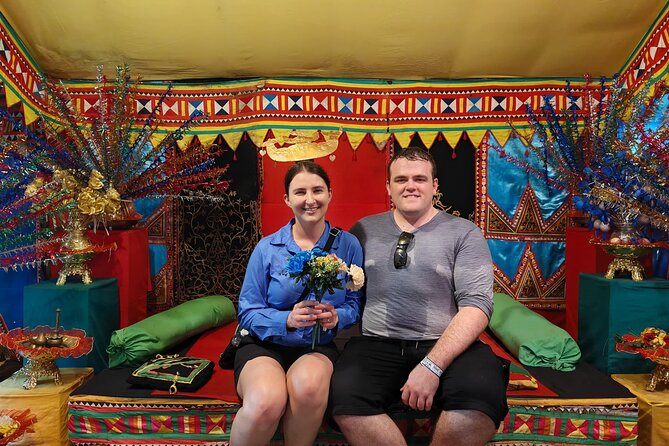
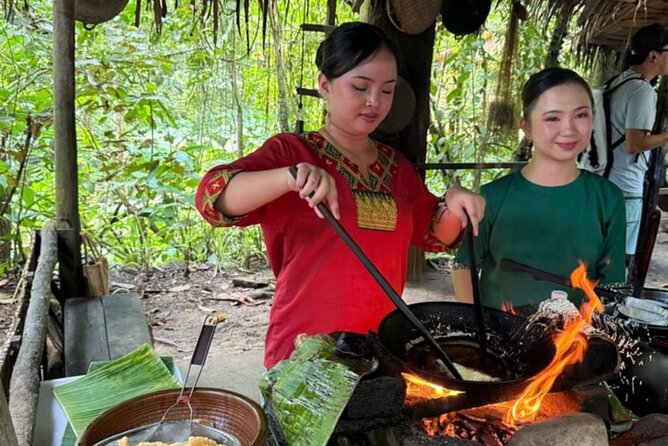
Food helps connect the cultural displays to everyday life. During the visit, you can taste traditional snacks and sample homemade rice wine. These small tastings add another sense to the experience, and they give the guide a natural way to explain local ingredients and customs.
Rice wine may not suit every palate, and you should not feel pressured to sample it. The tour is still worthwhile if you choose to skip that part. The information provided does not specify the full snack menu or whether nonalcoholic alternatives are available, so anyone with dietary or drink-related concerns should ask before booking.
Lunch is included and is described as a traditional Sabahan meal served in a communal setting. I see this as one of the stronger parts of the price. You do not need to leave the village to find food, and the meal extends the cultural lesson beyond the demonstrations.
A communal meal also changes the mood of the visit. After moving between houses and activities, you have a chance to sit down and experience food as part of the region’s customs. The menu is not specified, so avoid booking with a particular dish in mind.
The lunch is best viewed as a cultural sample, not a substitute for a full food tour. If eating is your main reason for visiting Sabah, you will need other meals elsewhere. Here, it is one useful part of a broader introduction.
Gong music, warrior dances, and storytelling
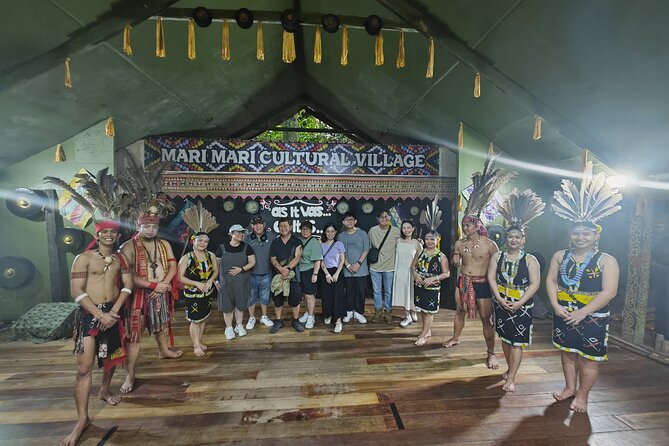
The cultural performance gives the tour a strong finish. Expect rhythmic gong music, warrior dances, and colorful storytelling connected with the communities represented at the village.
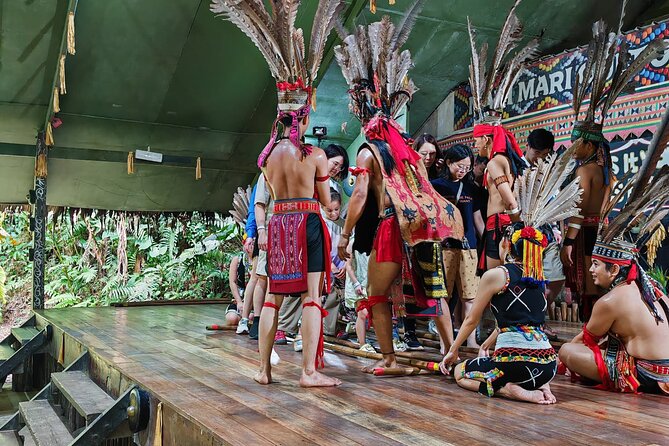
Music and movement communicate things that a spoken explanation cannot. The gongs create a clear sense of occasion, while the dances offer a visual guide to clothing, gesture, and ceremony. Storytelling gives the performance a narrative shape instead of presenting disconnected numbers.
I like that the show follows the house visits and activities. By this point, you have already seen examples of local homes, tools, food, and customs. The performance then gathers those ideas into a shared presentation.
Still, it is important to keep your expectations realistic. This is a scheduled cultural show for a visiting audience. It presents selected traditions in a clear, accessible form, but it cannot represent every part of five communities in one performance. You are seeing a public introduction, not a private ceremony.
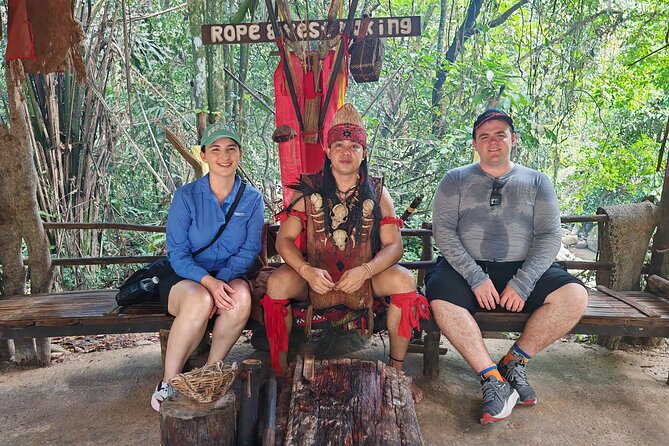
Photography is encouraged as part of the experience, and the tour information includes expert photography from the guide. That could be useful if you want group photos or action shots while you take part in the activities. Do not assume every moment can be photographed, however. Follow the guide’s instructions around demonstrations and performances.
What $62.05 includes and what it saves you
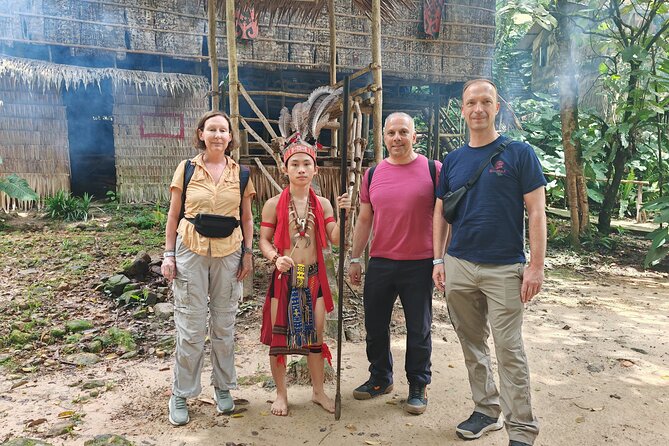
At $62.05 per person, the price is reasonable for a five-hour package that includes admission, a guide, hotel transport in both directions, an air-conditioned vehicle, bottled water, cultural activities, and lunch.
The value is strongest if you are staying in Kota Kinabalu and would otherwise need to arrange transport, find the village, buy entry, and organize food separately. The package removes several small decisions. You also gain a guide who can explain what you are seeing and answer questions along the way.
The price is less compelling if you already have a car, want to spend a full day at the village, or prefer to move at your own pace. The schedule is built around a guided visit, so you are paying for structure as well as admission.
For families, the combined cost may still be worth it because the activities keep the morning moving. Students and first-time visitors also get good value from the context provided during the ride and at each house.
The available rating information is limited to one published assessment, so I would not treat the perfect score as a broad guarantee. The specific praise for Eddie is more useful than the number itself: an enthusiastic guide who explains Sabah during the drive can make the difference between a basic attraction visit and a worthwhile cultural lesson.
Who should book this five-hour experience?
I would recommend this tour to you if you want a clear introduction to Sabah’s ethnic traditions without arranging several separate visits. It suits families, students, first-time visitors, and anyone who prefers a guide to explain architecture, food, music, and customs as they appear.
It is also a good choice if you value participation. Fire-making, blowpipe shooting, bamboo bridge crossing, food tasting, and a communal meal give the morning variety. You are not expected to spend five hours listening to a lecture.
You may want a different plan if your priority is solitude, detailed anthropology, or independent photography. The village can be busy, and the group schedule keeps the route moving. A five-hour visit cannot provide the depth of a specialist cultural study.
People with food restrictions should ask about the included lunch, snacks, and rice wine before confirming. The supplied information does not give menu details. Most people can participate, but anyone with concerns about the physical activities should raise them with the operator.
Free cancellation is available when you cancel at least 24 hours before the 9:00 AM start time. Changes or cancellations made within 24 hours are not accepted for a refund, and the cutoff follows local time.
My verdict on Mari Mari Cultural Village
Book it if you want an easy, active introduction to five Sabah communities, especially when transport and lunch are useful to you. The mix of traditional houses, practical demonstrations, food, music, and a guide-led explanation gives the visit more substance than a simple photo stop.
I would book with moderate expectations. You will gain a broad picture, not a complete account of each culture, and the village may be lively with other visitors. If you can accept that tradeoff, the $62.05 price buys a well-planned morning with plenty to see and do.
FAQ
What time does the Mari Mari Cultural Village tour start?
The tour starts at 9:00 AM with hotel pickup.
How long does the experience last?
The tour lasts approximately five hours.
Is hotel transportation included?
Yes. Hotel pickup and round-trip transfer are included in an air-conditioned vehicle.
Which ethnic groups are represented?
The village presents traditions from the Dusun, Rungus, Lundayeh, Bajau, and Murut communities.
Is lunch included?
Yes. A traditional Sabahan lunch is included, along with bottled water.
What is the maximum group size?
The tour allows a maximum of 20 participants.
Just added in Kota Kinabalu
- Island Hopping ( Manukan & Sapi Island ) From Kota Kinabalu★ 4.5 · 9 reviews
- Sepanggar Island Luxury Boat★ 5.0 · 1 review
- Zen & Splash: Stand-Up Paddleboard (SUP) Yoga in Tanjung Aru★ 5.0 · 1 review
- Discover Sailing Experience in Tanjung Aru Beach★ 3.0 · 1 review
- Join us for a RAID Try Dive in Kota Kinabalu★ 5.0 · 27 reviews
- Mangrove Kayaking Experience in Borneo★ 5.0 · 8 reviews
- Stand Up Paddle Boarding with Sunrise/Sunset Tour at Kota Kinabalu with transfer★ 3.0 · 1 review
- Monsopiad Cultural Village Visit with Private Transfer from Kota Kinabalu★ 4.5 · 5 reviews
Guided, compared.
Historical Malacca Guided Day Tour (Shared Tour)
Read our review →
Genting Highland & Batu Cave Guided Day Tour (SIC/Shared Tour)
Read our review →
Cameron Highlands with Lunch Guided Day Tour (SIC/Shared Tour)
Read our review →
Kuala Lumpur Half Day Guided City Tour (SIC/Shared Tour)
Read our review →
Guided Snorkeling Day Trip, Kota Kinabalu, Sabah, Malaysia
Read our review →
Kuala Lumpur Grand Full Day Guided Tour with 25 Attractions (SIC)
Read our review →
Half-Day Guided Rock Climbing in Batu Caves, Malaysia
Read our review →Browse the lists this tour appears in