
Reviewed · WALKING TOURS
Penang Island: Street Food Walking Tour
Penang tells its story one bite at a time. This 210-minute Georgetown walk links Chowrasta Market, family food stalls, Peranakan sweets, street art, and the city’s religious landmarks in one compact outing. I like the small group, limited to nine people, and I like that the food comes with stories about the families who still make it. One consideration: the walking, heat, and number of stops may be tiring if you have mobility limits.
I also like the unusual tastings. Nutmeg pickles, coffee mixed with Milo, durian dodol, handmade popiah skins, and Penang-style Asam Laksa give you a far better sense of local food than a standard restaurant meal. The $75 price is not cheap for a food walk, but it includes selected food and drinks, a licensed English-speaking guide, and access to family-run places that can be hard to understand on your own.
In This Review
- Key details before you book
- Why this food walk is different from a simple tasting tour
- Chowrasta Market and the morning life of Georgetown
- Kopitiam coffee and Penang’s strange-sounding drinks
- Nutmeg jeruk and durian dodol
- Watching a 50-year popiah tradition
- Moh Teng Pheow and the Nyonya kitchen
- Penang Asam Laksa, not the Kuala Lumpur version
- Harmony Street, murals, and Georgetown between meals
- Is $75 good value for this Penang experience?
- Who should book this walk?
- Should you book the Simply Enak street food tour?
- FAQ
- How long does the Penang street food walking tour last?
- How much does the tour cost?
- Where does the tour start?
- What will the guide be wearing?
- What language is the tour conducted in?
- How many people can join the tour?
- What food and drinks are included?
- Can I cancel the booking?
- What should I bring, and are large bags allowed?
Key details before you book
- Chowrasta Market begins the story: Visit Penang’s oldest market, dating from the 1890s, where Malay, Chinese, and Indian communities traded.
- Small group, maximum nine: The guide can adjust portions to your appetite instead of piling on food that goes uneaten.
- Five unusual food experiences: Try Ngor Ka Sai coffee, nutmeg jeruk, durian dodol, handmade popiah, and Penang Asam Laksa.
- Peranakan culture gets real attention: Moh Teng Pheow Nyonya Koay, a Michelin-listed cafe, provides a close look at Baba and Nyonya food traditions.
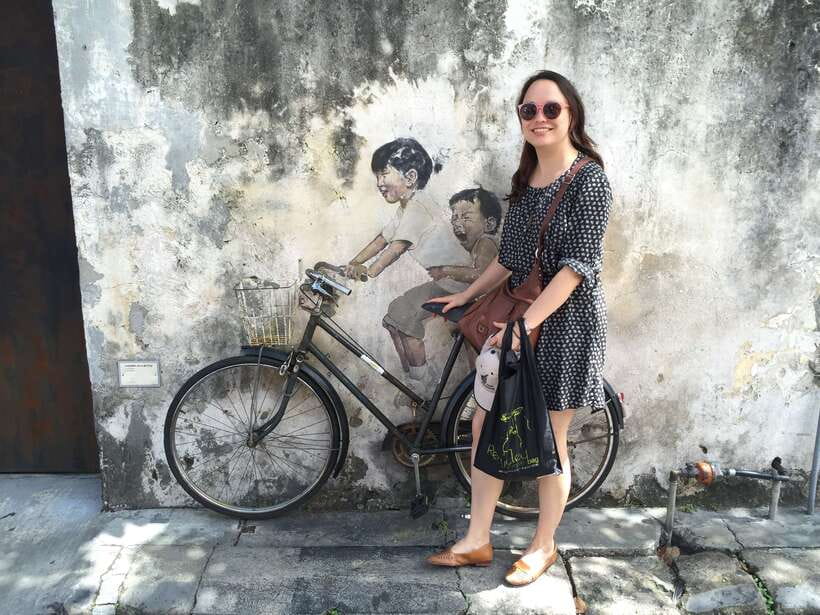
- Georgetown comes between the bites: You pass Harmony Street, Zacharevic murals, iron-rod sculptures, and the town’s oldest fire station.
- Plan for warm-weather walking: Comfortable shoes, water, an umbrella, and breathable clothing are sensible. Large bags and luggage are not allowed.
Why this food walk is different from a simple tasting tour
Many food tours are really restaurant crawls with a few quick facts added. This one uses food as the thread connecting Penang’s communities, trades, and old family businesses.
That approach matters in Georgetown. The food is not just a list of famous dishes. It reflects Malay, Chinese, Indian, and Peranakan influences that developed side by side. A guide who knows the vendors can explain why a dish tastes the way it does, who still makes it, and how it fits into daily life.
The tour is run by Simply Enak Food Experiences. Its guides are licensed, so you are not relying only on someone’s personal enthusiasm for food. They are officially qualified to share Malaysia’s story as well.
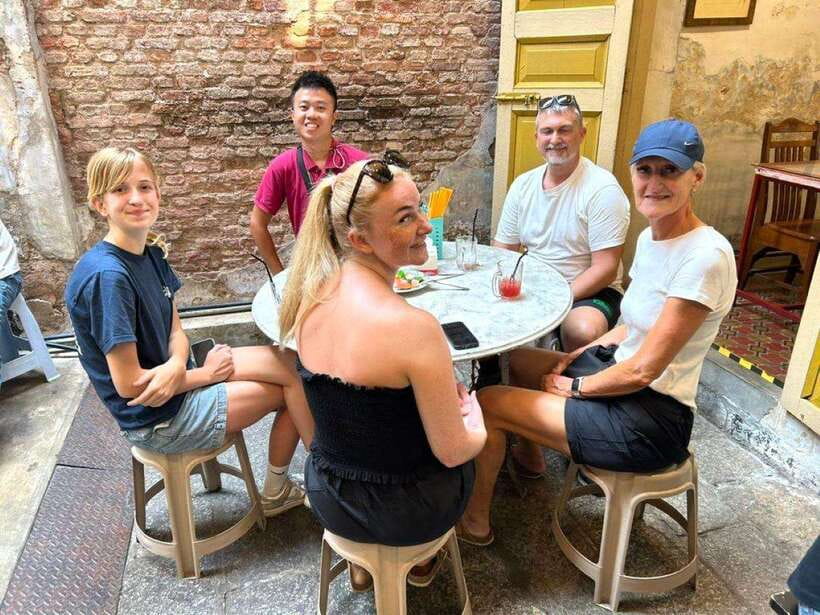
The group size is a real advantage. With no more than nine people, you can hear the guide in a market, ask questions without holding up a large crowd, and receive portions matched to your appetite. That last point is useful on a three-and-a-half-hour food walk. You want enough tastes to learn something, but not so much that you spend the final hour searching for a place to sit.
More Food Tours in Penang
- Penang Plates Food Tour with 15+ Tastings
★ 4.9 · 734 reviews - Good Morning Penang Food Tour with 15+ Tastings
★ 5.0 · 148 reviews - Penang: Trishaw Ride and Hawker Center Food Tour
★ 4.3 · 20 reviews
Chowrasta Market and the morning life of Georgetown
The walk starts at Chowrasta Market, Penang’s oldest market. Trade began here in the 1890s, and the market still gives you a useful first look at how Georgetown feeds itself.
The important part is not simply seeing stalls. It is watching the social rhythm around them. Malay, Chinese, and Indian communities helped shape this trading center, and the market remains a place where those traditions meet. You may hear Hokkien, Malay, and Tamil in the same stretch of conversation.
Families who have worked here for decades give the market a sense of continuity. Your guide helps connect what you see to the people behind it, rather than leaving you to wander past unfamiliar ingredients without context.
Chowrasta is also a good place to begin because it sets up the rest of the tour. The food later in the walk makes more sense after you have seen the market culture and the mix of communities that shaped Penang’s cooking.
Market conditions can be warm and crowded, especially during an active morning. Wear shoes that can handle several hours on foot, and keep your belongings light. Large bags and luggage are not permitted.
Kopitiam coffee and Penang’s strange-sounding drinks
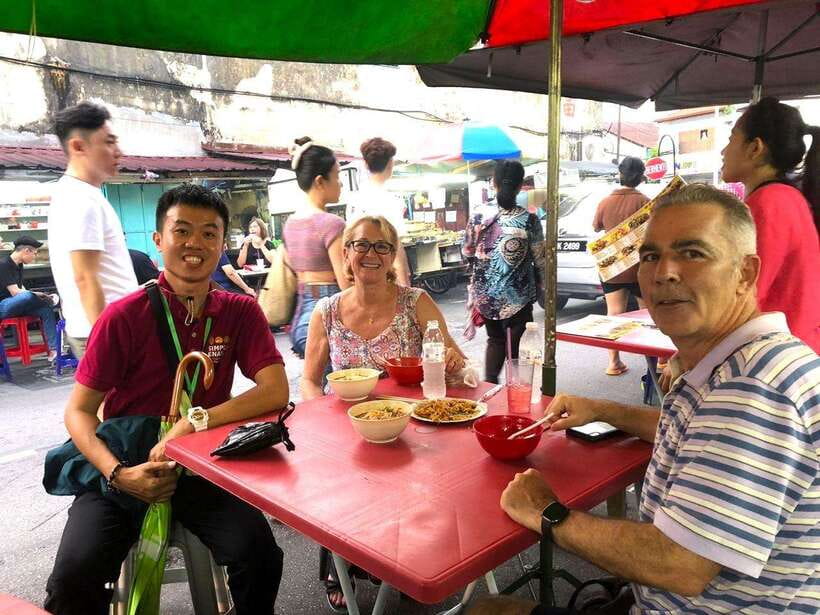
One early introduction is kopitiam culture, the traditional coffee shop life found across Malaysia. The tasting includes Ngor Ka Sai, local coffee mixed with Milo.
The combination may sound odd, but that is part of the fun. It gives you a small lesson in how everyday drinks evolve through local taste rather than strict culinary rules. You get coffee, chocolate malt, sweetness, and a distinctly Penang way of ordering something familiar in a new form.
This is not presented as a formal coffee class. Think of it as a cultural stop that helps you understand how kopitiams function as social spaces. The drink is also a useful reminder that Penang food is not always polished or predictable. Some of the best discoveries begin with a combination you would never order at home.
Extra drinks are not included beyond those shared during the tour. If you drink a lot of water in warm weather, bring your own bottle.
Nutmeg jeruk and durian dodol
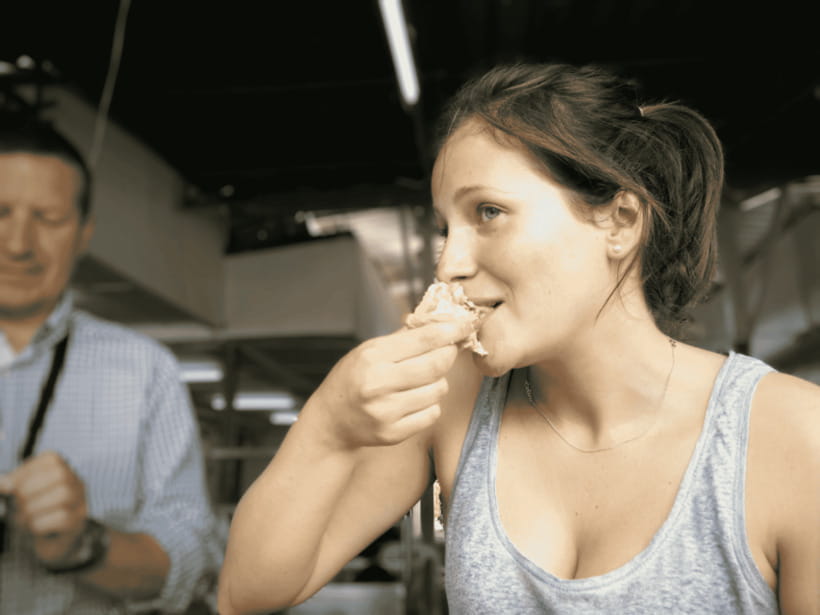
The snack stops turn toward traditional tastes that many first-time visitors may not recognize.
Nutmeg jeruk, or nutmeg pickles, are sharp, sweet, and sour. They wake up your mouth and reset your appetite before the heavier dishes later. Penang’s nutmeg tradition is one of those local food details that can disappear if you only order the most famous meals.
Durian dodol takes you in the opposite direction. It is sticky, sweet, and made with the distinctive flavor of durian, Malaysia’s famous king of fruits. If you already enjoy durian, this gives you a different texture and format. If you are unsure about durian, a small tasting is a sensible way to test the flavor without committing to a full serving.
Neither tasting is likely to please everyone. Nutmeg jeruk can be intense, and durian has a strong character even when used in a sweet. That is exactly why they earn a place on the tour. They show you flavors that are central to the region but easy to miss when you stay with safe choices.
More Penang trips:
- George Town, Penang: Malay Countryside Cycling
★ 4.7 · 287 reviews - Penang: Kek Lok Si Temple and Penang Hill Guided Tour
★ 4.9 · 199 reviews - Penang: Penang Island Full-Day Private Tour
★ 4.6 · 134 reviews - Penang: The Habitat Penang Hill Entry Ticket
★ 4.5 · 111 reviews
Watching a 50-year popiah tradition
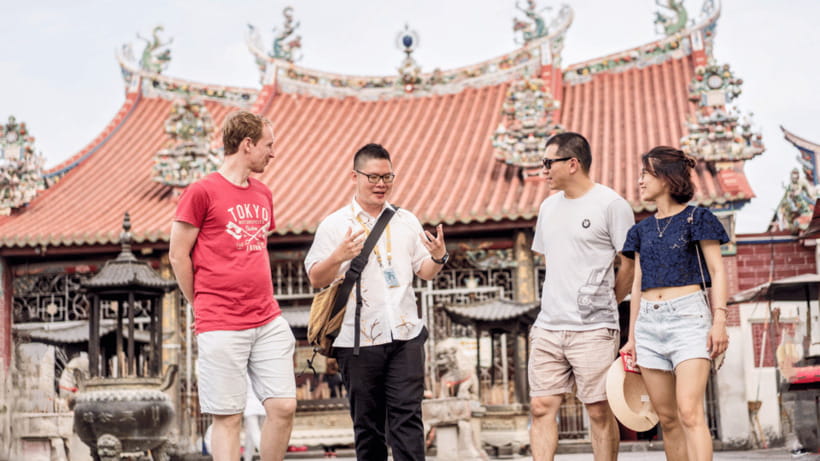
The handmade popiah demonstration is one of the most valuable stops because you watch a skill rather than simply eating a finished dish.
A master from a family with 50 years of experience makes the popiah skins by hand. The demonstration shows the work behind a food that might otherwise arrive at your table looking simple and effortless.
This is living craft. Skills like this depend on repetition, family teaching, and demand from the local community. The chance to see the process matters because handmade food is often judged only by its final taste. Here, you can appreciate the technique and the possibility that such work may become less common in the future.
The stop also suits people who want more than a succession of samples. You are given a reason to pay attention to how food is made, who makes it, and what is at risk when old methods disappear.
Moh Teng Pheow and the Nyonya kitchen
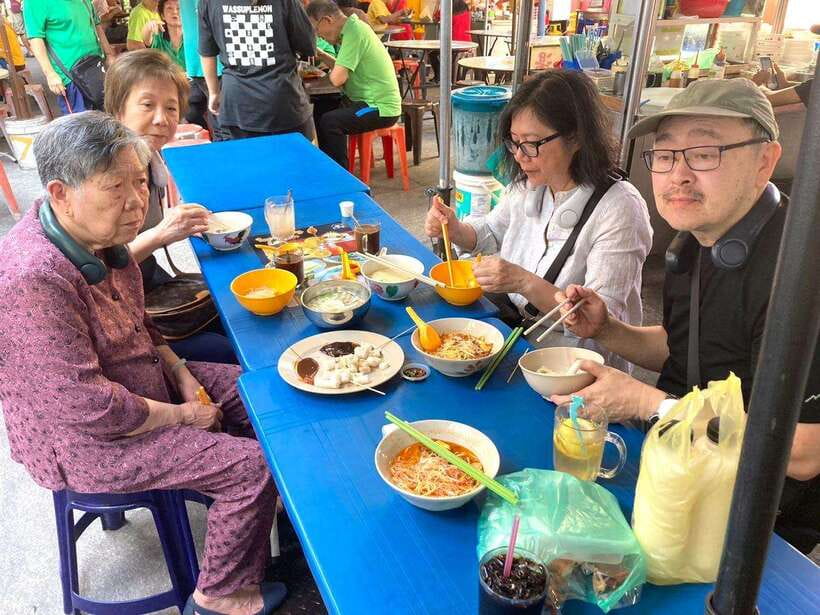
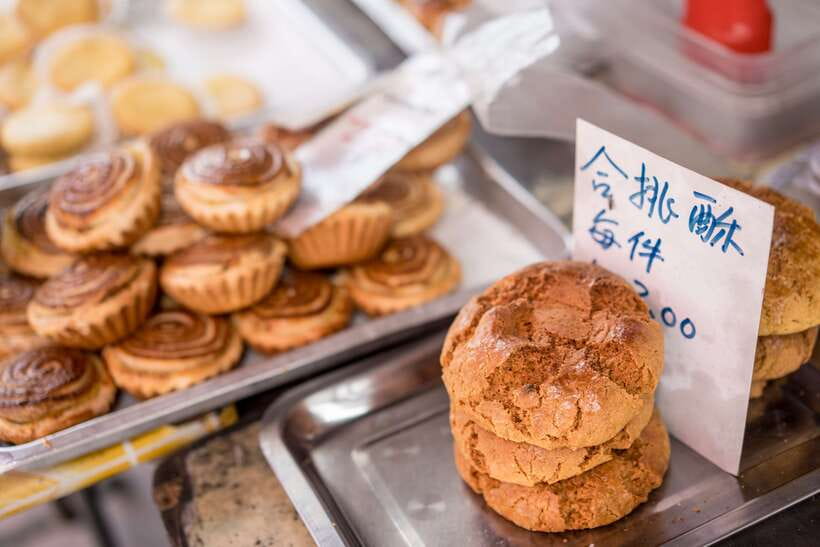
At Moh Teng Pheow Nyonya Koay, the tour turns to Peranakan culture. This Michelin-listed cafe is known for its range of Nyonya koay, a broad family of cakes, dumplings, puddings, and pastries.
You learn how Baba and Nyonya communities developed from Chinese and Malay cultural connections. The food reflects that meeting point. It is not useful to treat Nyonya cooking as simply Chinese food or Malay food. Its identity comes from the way ingredients, methods, and household traditions were brought together.
The tasting helps you understand the range of the Nyonya kitchen. A single sweet cannot tell the whole story, but several types of koay show how varied the category is. You may find delicate cakes beside sticky sweets or dumpling-like preparations, each with a different texture and purpose.
The cafe’s date, 1933, adds another layer. Recipes unchanged since then give you a direct link to an older food tradition, though the experience remains a tasting stop rather than a full cooking lesson.
This is one of the places where the guide’s relationship with vendors makes a difference. Simply Enak says its guides have visited these family businesses for many years and are recognized by the people working there. That familiarity can make the stop feel less like a transaction and more like an introduction.
Penang Asam Laksa, not the Kuala Lumpur version
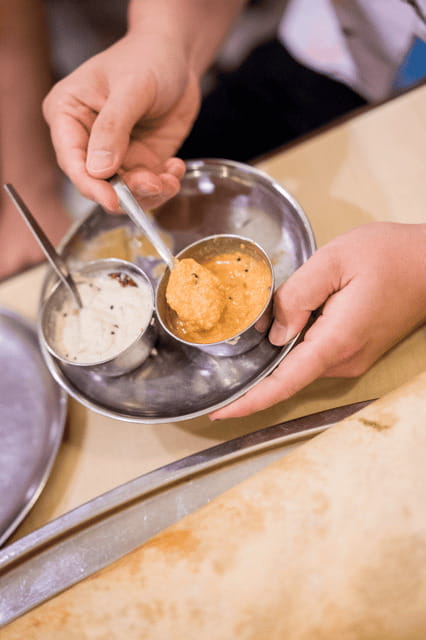
The Asam Laksa tasting is a key meal stop. Penang’s version balances sweet, sour, and savory flavors, and it is specifically presented as different from the version found in Kuala Lumpur.
That comparison is useful if you have already eaten laksa elsewhere in Malaysia. The name covers several distinct preparations, so tasting Penang’s style in its home city gives you a clearer sense of regional cooking.
Expect a dish with a strong flavor profile rather than a mild bowl designed to please everyone. The sourness and savory depth can be striking, especially after the sweeter snacks. It is a good example of the tour’s overall pattern: the guide moves you between sharp, sweet, sticky, and savory tastes instead of serving a long run of similar food.
Portions are adjusted to the group’s appetite. That is important here, since Asam Laksa can be filling and the tour still has cultural sights and food stops ahead.
Harmony Street, murals, and Georgetown between meals
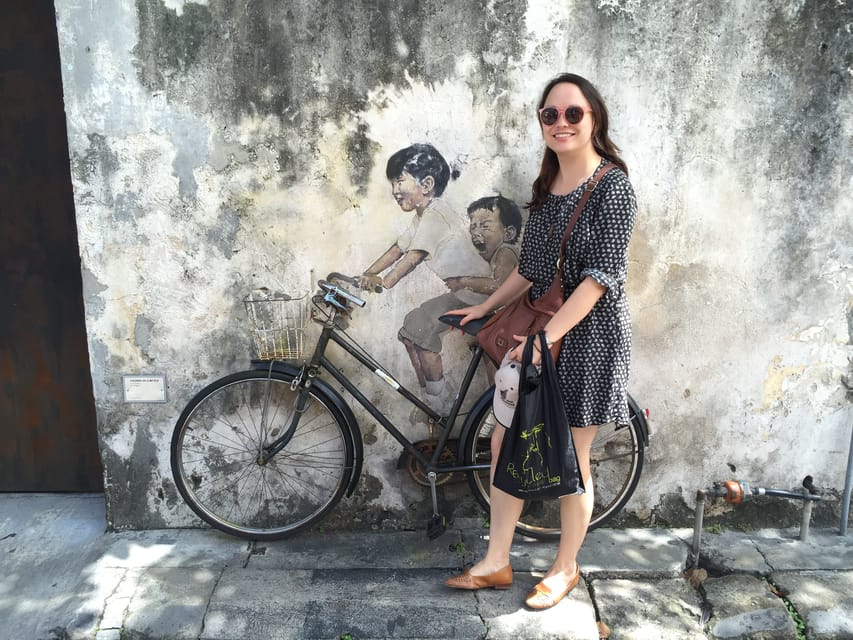
The walking route does not stay inside markets and cafes. Between tastings, you pass through Georgetown’s Heritage Zone and along Harmony Street, where temples, mosques, and churches sit within the same historic area.
This part gives the food a wider setting. Penang’s cooking developed through contact between communities, and the religious landmarks show that coexistence in physical form. You are not merely moving from snack to snack. You are seeing the streets where these cultural influences meet.
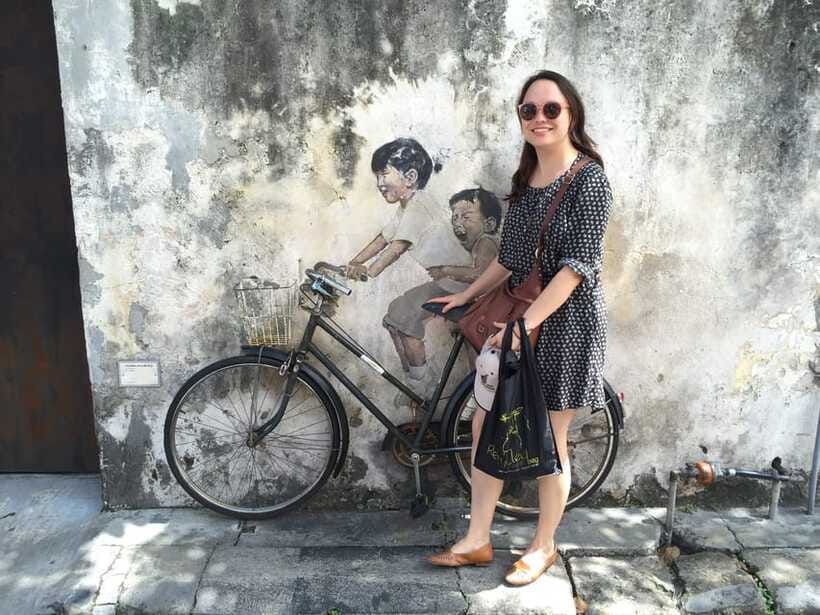
The route also includes Ernest Zacharevic’s well-known street art murals and iron-rod sculptures by local artists. These works add a more recent layer to the old city. The contrast is useful: Georgetown is not frozen in the past, even while it protects older buildings and traditions.
You also pass the oldest fire station in town. It is a small detail, but these passing sights help you understand the city as a working place rather than a collection of food stops arranged for tourists.
The walking sections are also where you should judge your own fitness honestly. The experience is listed as wheelchair accessible, but it is also marked as unsuitable for people with mobility impairments. That is a conflict in the practical information, so I would confirm the route and access arrangements before booking if you use a wheelchair or have difficulty walking.
Is $75 good value for this Penang experience?
At $75 per person, this is priced above a casual self-guided food outing. You could spend less by visiting hawker stalls on your own, especially if you already know where to go and what to order.
The value comes from the combination. You receive food and drinks at selected family-run stalls, a licensed local guide, cultural explanation, and a small group capped at nine. You are paying partly for access and partly for interpretation.
A self-guided visit may let you sample more dishes for less money, but you might miss the reasons behind them. You could also struggle to identify the best portions, understand Nyonya food, or find a popiah maker with a five-decade family tradition.
The tour is a better purchase for your first Georgetown visit, for anyone who wants local context, or for people who prefer a planned route. It is less compelling if you are already an experienced Penang food explorer and mainly want maximum quantity.
The quality-over-quantity approach is another value point. The guide gauges appetite, which reduces waste and keeps the experience comfortable. You should not expect a full meal at every stop. Expect a sequence of selected tastings that together form a meal-sized experience.
Who should book this walk?
I would recommend it to curious eaters who want to connect dishes with people and place. It suits couples, solo visitors, and small groups who value conversation and a slower look at Georgetown.
It is also a good match for anyone who finds unfamiliar food easier to try with guidance. Nutmeg jeruk and durian dodol can be challenging introductions, while the guide can explain what you are tasting and how it fits local tradition.
Families should consider the walking time, the warm weather, and the unusual flavors before booking. The tour may work well for older children who enjoy food and markets, but the information specifically says it is not suitable for people with mobility impairments.
Bring comfortable shoes, an umbrella, water, and breathable clothes. Arrive 15 minutes early. Look for a guide wearing either a white polo shirt marked Simply Enak or a white batik shirt.
The activity is conducted in English. You can cancel up to 24 hours in advance for a full refund, and you can reserve now and pay later, which helps if your Georgetown schedule is still changing.
Should you book the Simply Enak street food tour?
Book it if you want a small, guided introduction to Penang food with real cultural context. The strongest parts are the family-run stops, the handmade popiah demonstration, the Nyonya koay tasting at Moh Teng Pheow, and the chance to compare Penang Asam Laksa with Kuala Lumpur’s version.
Skip it if you prefer to eat independently, dislike strong flavors, or want a purely historical walking tour with little food. At $75, it is not the cheapest way to fill up, but it offers more than a checklist of snacks. For a first visit to Georgetown, that mix of market life, family craft, Peranakan culture, and carefully chosen food makes the price easier to justify.
FAQ
How long does the Penang street food walking tour last?
The tour lasts 210 minutes, or three and a half hours.
How much does the tour cost?
The listed price is $75 per person.
Where does the tour start?
The meeting point is Chowrasta Market in Georgetown, Penang. Arrive 15 minutes before the activity begins.
What will the guide be wearing?
The guide will wear either a white polo shirt with Simply Enak on it or a white batik shirt.
What language is the tour conducted in?
The tour has a live guide and is conducted in English.
How many people can join the tour?
It is a small-group experience limited to nine participants.
What food and drinks are included?
Selected food and drinks at family-run stalls are included. Extra drinks beyond those shared during the tour are not included.
Can I cancel the booking?
You can cancel up to 24 hours in advance for a full refund.
What should I bring, and are large bags allowed?
Bring comfortable shoes, an umbrella, water, and breathable clothing. Luggage and large bags are not allowed.
More Walking Tours in George Town Malaysia
- Kuala Lumpur Local Street Food Private Walking Tour by Night
★ 4.5 · 224 reviews - 2d1n Mount Kinabalu Via Ferrata – Walk The Torq
★ 5.0 · 90 reviews - Kinabalu Park & Poring Hot Spring & Canopy Walk
★ 4.5 · 80 reviews - Melaka UNESCO City Guided Walking Tour – Tip Based
★ 5.0 · 35 reviews
More Food Tours in George Town Malaysia
- Penang Local Food Hunting
★ 5.0 · 10 reviews - George Town: Authentic Food Tour with 12+ Tastings
★ 4.7 · 7 reviews - George Town: Heritage Walking Tour with Street Food Tasting
★ 4.7 · 6 reviews - Sambal Streets Kuala Lumpur Food Tour with 15+ Tastings
★ 5.0 · 2,438 reviews
Just added in George Town Malaysia
- Penang: Trishaw Ride and Hawker Center Food Tour★ 4.3 · 20 reviews
- Penang: Private Customized Flexible Tour with Tourist Guide★ 5.0 · 19 reviews
- Penang: Private Highlights Tour with Temples, Hill & Gardens★ 5.0 · 5 reviews
- Penang Local Food Hunting★ 5.0 · 10 reviews
- Penang : Cool Ghost Museum Penang Ticket★ 5.0 · 2 reviews
- Penang: ATV Ride in Balik Pulau with Snacks and Transfers★ 4.6 · 13 reviews
- George Town: Penang Customizable Private Tour★ 5.0 · 1 review
- Historical Penang Heritage Half-day Tour★ 5.0 · 1 review
Walking Tours, compared.
Kuala Lumpur Local Street Food Private Walking Tour by Night
Read our review →
2d1n Mount Kinabalu Via Ferrata – Walk The Torq
Read our review →
Kinabalu Park & Poring Hot Spring & Canopy Walk
Read our review →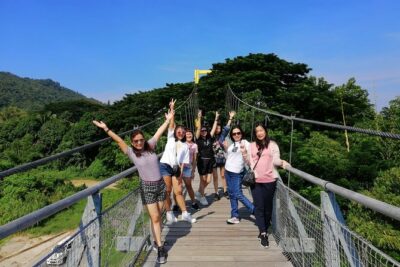
2d1n Kinabalu Park & Poring Canopy Walk & Desa Cow Farm Tour
Read our review →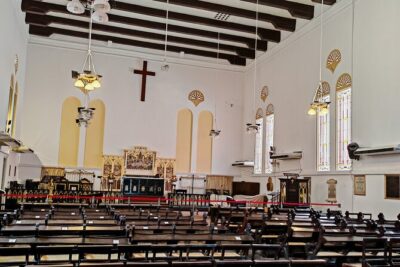
Melaka UNESCO City Guided Walking Tour – Tip Based
Read our review →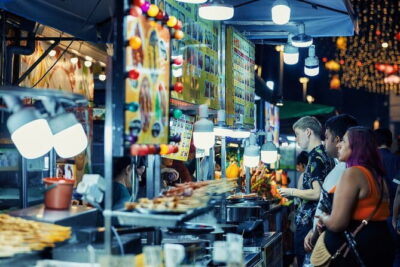
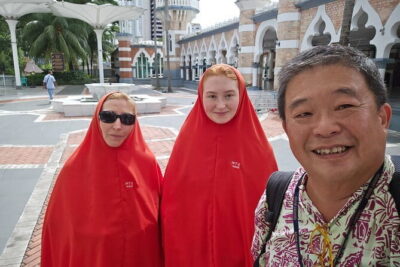
Half Day Cultural And Heritage Walking Tour in Kuala Lumpur
Read our review →
Browse the lists this tour appears in