
Reviewed · FARMS
Penang: Tropical Fruit Farm Ticket
Fruit tastes better at its source. Penang Tropical Fruit Farm gives you a simple, affordable way to see where Malaysia’s tropical produce comes from, taste fresh seasonal fruit, and learn how a hillside farm protects unusual species. I like the farm’s collection of more than 200 edible fruit species, and I like that the visit connects food with conservation rather than treating fruit tasting as a stand-alone snack stop. The main catch is access: you need to arrange your own taxi or Grab ride to Teluk Bahang.
The farm sits about 800 feet above sea level on Penang’s northwestern hills. For roughly $7 per person, you receive a guided 30-minute farm tour, tastings of fruit enzyme, wild honey, cinnamon and lemongrass tea, and an introduction to sustainable agriculture. A pure fruit juice or fresh fruit box may be included if you select that option, so check the exact ticket before paying.
In This Review
- Key things to know before you go
- What the $7 ticket really offers
- Reaching the farm in Teluk Bahang
- Walking through 25 acres of fruit trees
- Fresh fruit tasting, with seasonal limits
- Fruit enzyme, honey, and herbal tea
- Sustainable farming with a practical purpose
- How long should you allow?
- Is it good for children?
- Who will enjoy this farm most?
- A balanced look at the drawbacks
- Final verdict: should you book it?
- FAQ
- Where is Penang Tropical Fruit Farm?
- How much does the ticket cost?
- How long does the guided farm tour last?
- What is included in the standard experience?
- Is fruit juice included?
- Is a fresh fruit box included?
- What language is the tour conducted in?
- What should I bring to the farm?
Key things to know before you go
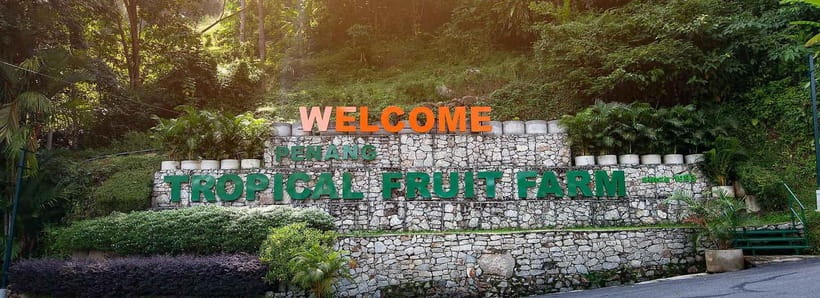
- More than 200 fruit species: The farm grows an unusually broad collection of tropical and subtropical edible fruit trees across 25 acres.
- A short guided tour: The main farm walk lasts about 30 minutes, making this an easy addition to a day around Teluk Bahang.
- Several tastings included: You can sample fresh fruit, fruit enzyme, wild honey, and cinnamon and lemongrass tea.
- A conservation project: The farm was developed in 1993 to preserve rare and exotic fruit trees and teach visitors about Malaysia’s agricultural variety.
- Bring an umbrella: You are visiting an open-air farm, and an umbrella is specifically recommended.
- English-led experience: The standard guide is English-speaking, with Chinese, Cantonese, Arabic, Malay, and Indonesian available on request if a guide is available.
What the $7 ticket really offers
At $7, this is not a full-day guided adventure in the usual sense. The ticket is valid for one day, but the listed guided portion lasts 30 minutes. Think of it as a compact educational farm visit that can fit around other Penang plans.
The value comes from the combination of a short tour and several small tastings. You are not paying only for a piece of fruit. You are also paying to see a working collection of trees, hear how the farm supports conservation, and try products made from fruit and other farm ingredients.
That matters because tropical fruit can be confusing when you first encounter it in a Malaysian market. A guided visit gives you some context for the names, growing conditions, and uses of fruit you may otherwise walk past. The farm’s hillside setting also helps explain why Penang can support both tropical and subtropical plants.
The ticket price is especially fair for food lovers, families with children, and anyone already visiting the northwestern part of Penang. It becomes less attractive if you need a long, expensive ride solely to reach the farm and plan to spend only a short time there.
More Penang trips:
- Penang Plates Food Tour with 15+ Tastings
★ 4.9 · 734 reviews - Half-Day Penang Countryside Cycling Tour
★ 4.5 · 454 reviews - Penang: Flexible 6-Hours Highlights
★ 5.0 · 378 reviews
Reaching the farm in Teluk Bahang
The farm is in Teluk Bahang, in the northwest of Penang. You proceed directly to the Tropical Fruit Farm to redeem the ticket, rather than meeting a tour leader elsewhere in George Town.
This is the biggest practical issue. A German visitor specifically noted that the farm is reachable by taxi or Grab and said the trip was worth making. That is useful advice: arrange your ride before setting out, and consider combining the farm with other stops in the Teluk Bahang area so the transport cost works better for your day.
The meeting instructions do not provide a hotel pickup service or a dedicated transfer. You should therefore plan on making your own way there. Keep the booking confirmation available when you arrive for redemption.
The farm’s position at about 800 feet above sea level gives the visit a different feel from a city attraction. You are heading into the hills, where the setting itself becomes part of the lesson. The higher ground is also tied to the farm’s ability to grow a wide range of trees.
Walking through 25 acres of fruit trees
The guided tour is the heart of the experience. In about 30 minutes, a guide introduces the farm and takes you through part of the orchard collection.
You should not expect to walk through every corner of the 25 acres in half an hour. The point is to get a clear introduction to the farm’s work and to see enough of its plants to understand the scale and variety of the collection.
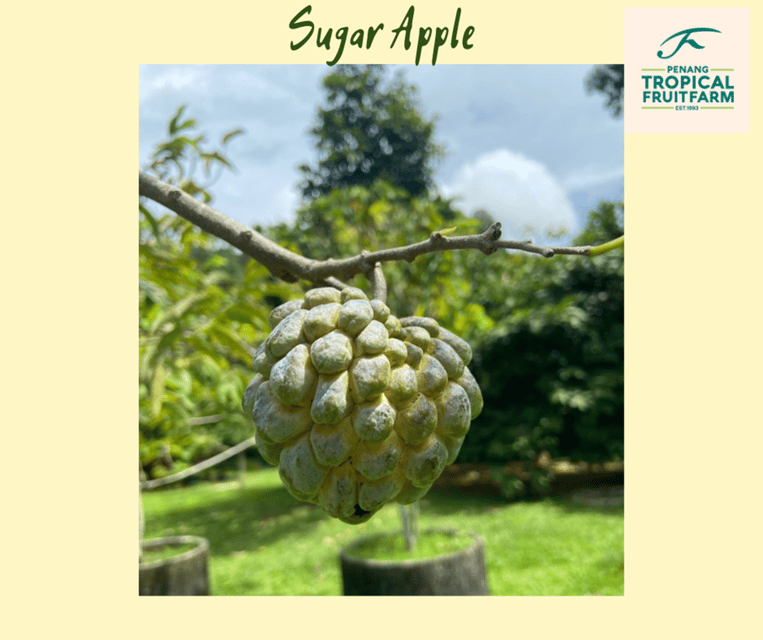
More than 200 species of edible tropical and subtropical fruit are grown here. Some will be familiar, while others may be rare or unusual. The farm was founded in 1993 with three clear aims: to conserve rare and exotic fruit trees, to educate visitors about Malaysia’s fruit species, and to promote sustainable farming.
I like that those goals give the walk a purpose. You are not simply looking at rows of trees. You are seeing a living collection that helps preserve plants that may not receive much attention in ordinary commercial agriculture.
The exact fruit available can change with the season. That is important. You should not arrive expecting one specific fruit unless the farm has confirmed it. The best part of the visit is the variety and the chance to taste what is fresh at the time.
Fresh fruit tasting, with seasonal limits
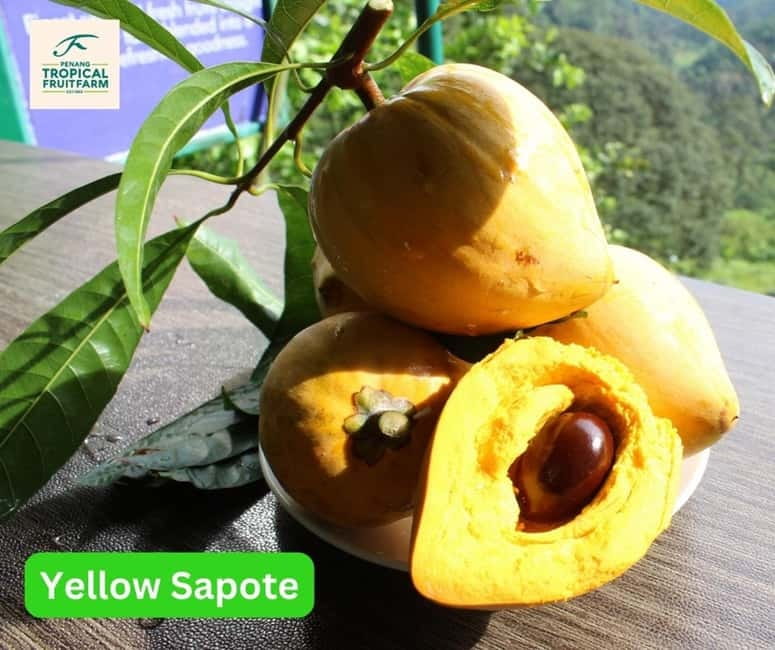
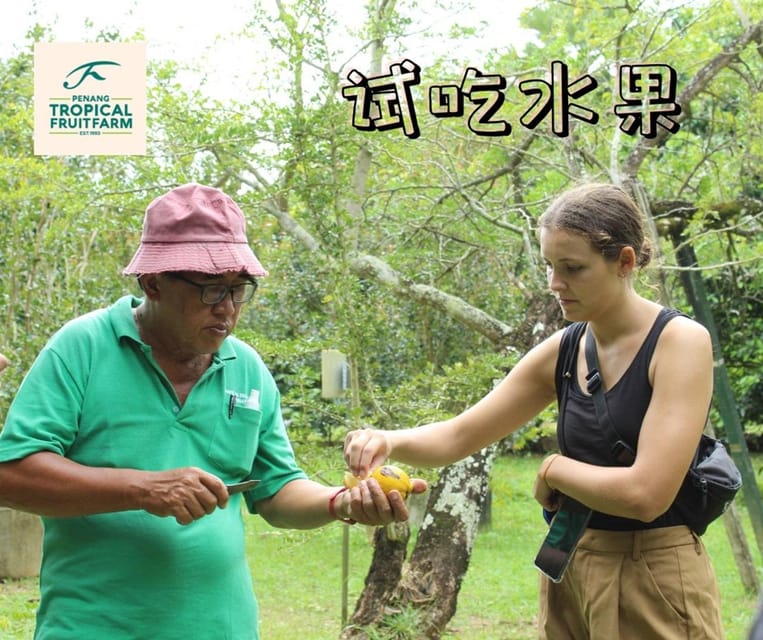
Fresh fruit tasting is one of the clearest reasons to buy this ticket. Fruit served directly from a farm has a different appeal from packaged supermarket produce, particularly when the collection includes less common species.
The farm’s selection changes with the harvest. That means the tasting is tied to nature rather than a fixed menu. I see this as a plus, but it also means you should keep your expectations flexible. The supplied information does not promise a particular fruit, quantity, or tasting menu.
If you choose the relevant ticket option, you may also receive one glass of 100 percent pure fruit juice or a fresh fruit box. Check the option carefully when booking because these extras are not automatically included in every ticket.
The fruit box could be useful if you want something more substantial than small samples, but the basic experience already includes fruit-related tastings. If you are comparing ticket choices, look at the total price and the exact inclusions rather than assuming every package is the same.
More Farm Visits in Penang:
- Penang Round Island Tour With Tropical Spice Garden & Entopia Butterfly Farm
★ 4.0 · 15 reviews - Penang Tropical Fruit Farm with Fruit Tasting
★ 4.5 · 12 reviews - Penang Full Day Tour with Penang Hill, Kek Lok Si & Fruit Farm
★ 3.5 · 3 reviews - Penang: The Vanilla Village Farm Tour by Kairos
★ 5.0 · 1 review
Fruit enzyme, honey, and herbal tea
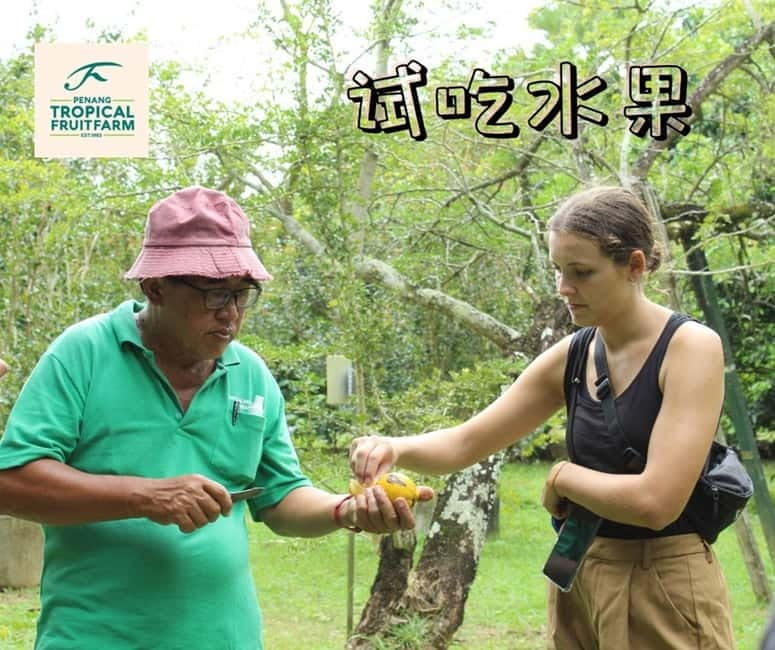
The tasting portion goes beyond fresh fruit. You receive an introduction to the fruit enzyme process, a fruit enzyme tasting, wild honey tasting, and cinnamon and lemongrass tea testing.
The fruit enzyme introduction adds a small food-processing lesson to the orchard walk. It shows how farm produce can be turned into another product rather than consumed only in its original form. The description does not provide a full recipe or production schedule, so expect an introduction rather than a long workshop.
The cinnamon and lemongrass tea gives you another way to connect plants with everyday use. These are familiar ingredients in Southeast Asian cooking and drinks, and trying them at a fruit farm broadens the visit beyond sweet fruit.
Wild honey provides a second tasting with a different flavor profile. Again, the information does not state the serving size, so I would treat these as sample tastings, not a meal.
You are not allowed to bring food or drinks into the activity. That rule may be inconvenient if you are visiting with children, so plan refreshments before or after the farm. It also keeps the tasting area focused on the farm’s own products.
Sustainable farming with a practical purpose
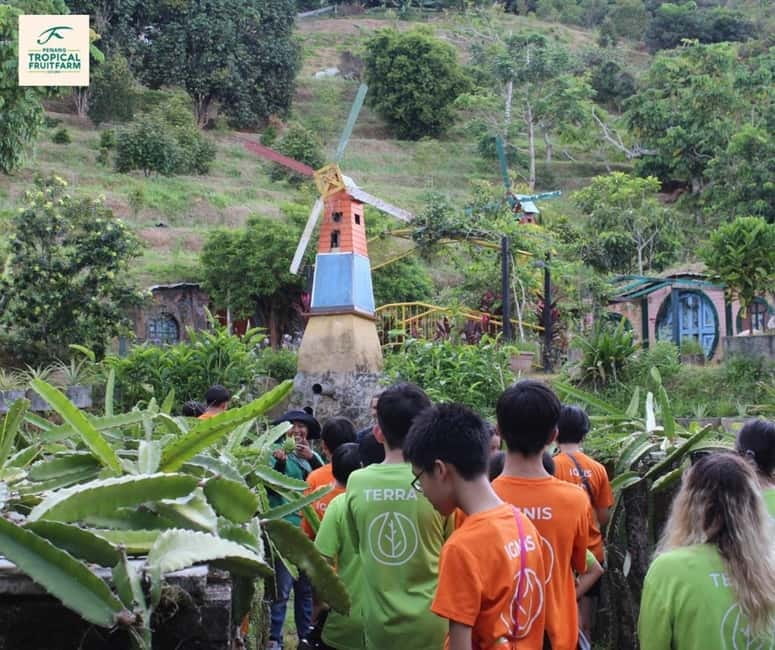
The farm’s conservation message is more useful than a general promise about being green. Its stated purpose is to keep rare and exotic fruit trees in cultivation, teach people about fruit diversity, and show how agriculture can support tourism.
This is known as eco-tourism or agro-tourism. In plain terms, the farm earns income by teaching people about farming and by giving them a reason to value plant diversity. That model can help a farm protect species that might otherwise disappear from public view.
I appreciate this part of the visit because it gives you something to think about after the tastings are over. A fruit tree is not just a source of food. It can also preserve local knowledge, support education, and make rural land useful to visitors without turning it into a purely commercial attraction.
The tour is also a good fit if you want to add a food and agriculture stop to a Penang itinerary. It offers a different side of the island from temples, street food, and historic buildings. You get a look at how local produce is grown and presented, not just how it appears on a plate.
How long should you allow?
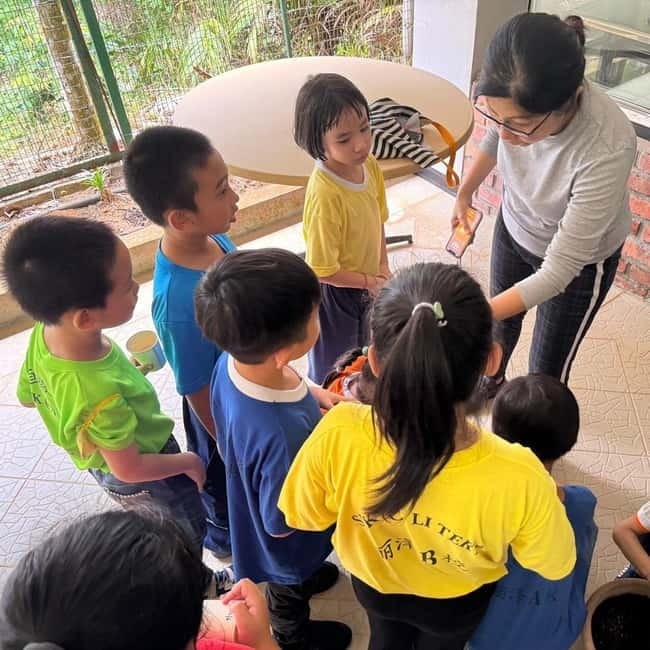
The guided tour lasts 30 minutes, but you should allow extra time for arrival, redemption, the tastings, and any time you spend looking around. The ticket itself is valid for one day, with starting times subject to availability.
The supplied information does not give a full recommended visit length, so I would not build an entire day around the farm alone. The 30-minute tour makes it better as one stop within a wider northwestern Penang outing.
The word day in the ticket details refers to validity, not to a full day of scheduled guiding. That distinction is worth noting before you book. You receive a one-day entry window, while the organized farm tour is much shorter.
Because the standard tour is in English, you should be comfortable following an English-speaking guide. Chinese, Cantonese, Arabic, Malay, and Indonesian guides may be available on request, but this depends on availability. The activity information lists English as the confirmed language.
Is it good for children?
Children aged 5 to 12 are identified in the booking information. The fruit tasting and outdoor setting should appeal to children who like trying new foods or seeing how plants grow.
The short tour length is helpful for younger visitors. Thirty minutes of guided information is easier to manage than a long agricultural lecture, and the tastings give children something concrete to look forward to.
Still, this is an educational farm visit, not a dedicated play attraction. If your child dislikes unfamiliar fruit, outdoor walking, or guided explanations, the experience may feel less exciting. An umbrella is recommended, and you should prepare for weather changes in an open farm setting.
The no-food-and-drinks rule is another point for families to remember. Plan snacks outside the activity rather than bringing them into the farm.
Who will enjoy this farm most?
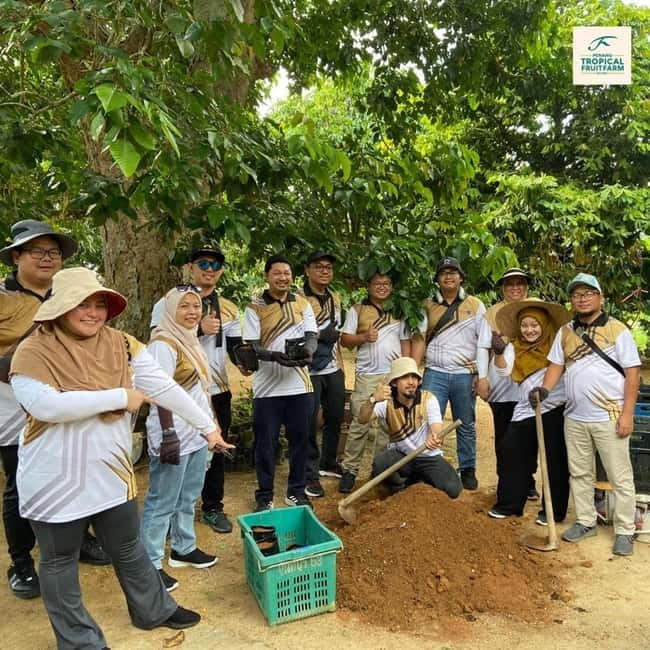
I would recommend the experience to several types of visitors:
- Food lovers who want to taste seasonal Malaysian produce.
- Families looking for a short outdoor activity.
- Gardeners and plant enthusiasts interested in unusual fruit trees.
- Visitors who want to understand sustainable agriculture in a direct, practical way.
- Anyone already planning time in Teluk Bahang.
It is less suitable if you want a long guided walk, a large meal, or a full day of scheduled activities. The tour is brief, and the available information does not promise extensive hands-on farming work.
The farm also suits curious first-time visitors to Malaysia. You may recognize some fruits, but the range of species gives you a chance to try something outside your usual routine.
A balanced look at the drawbacks
The access issue deserves serious attention. Since you need to reach the farm by taxi or Grab, the total cost can be higher than the $7 ticket if you are coming from far away or traveling alone.
The tour’s short length is both a strength and a weakness. It is easy to fit into a busy itinerary, but it may feel too brief if you expected an in-depth farm workshop. The description does not state the group size, the exact route, or how much time is spent tasting compared with walking.
Seasonal fruit is another variable. Freshness is part of the appeal, but the exact selection cannot be guaranteed. You should book this for the farm setting and broad collection, not for one promised fruit.
Finally, the ticket is non-refundable. Since starting times depend on availability and transport is self-arranged, confirm your schedule before booking.
Final verdict: should you book it?
Book this ticket if you want an affordable, short, food-focused stop in Penang and you are happy to arrange your own transport. The strongest reasons are the 25-acre setting, the collection of more than 200 fruit species, and the mix of tastings with a real conservation message.
I would especially suggest it for families, plant lovers, and visitors who have already seen Penang’s main urban sights. The two available five-star ratings praised the tour as informative, and that matches the experience’s main strength: you leave with more than a taste of fruit. You also gain a clearer idea of how Malaysia grows, protects, and presents its tropical produce.
Skip it if you want a full-day tour or if the taxi or Grab ride would take too much of your budget. For the right itinerary, though, $7 is a sensible price for a brief, distinctive visit with plenty of flavor.
FAQ
Where is Penang Tropical Fruit Farm?
It is in Teluk Bahang on the northwestern side of Penang, about 800 feet above sea level.
How much does the ticket cost?
The listed price is $7 per person.
How long does the guided farm tour last?
The guided farm tour lasts 30 minutes. The ticket is valid for one day, but this does not mean the guided tour lasts all day.
What is included in the standard experience?
The experience includes a 30-minute guided farm tour, an introduction to the fruit enzyme process, cinnamon and lemongrass tea testing, fruit enzyme tasting, and wild honey tasting.
Is fruit juice included?
One glass of 100 percent pure fruit juice is included only if you select the option that lists it.
Is a fresh fruit box included?
A fresh fruit box is included only if you select the option that lists it.
What language is the tour conducted in?
The standard live tour guide speaks English. Chinese, Cantonese, Arabic, Malay, and Indonesian guides are available on request and depend on availability.
What should I bring to the farm?
Bring an umbrella. Food and drinks are not allowed during the activity.
Just added in Penang
- Private Tour: Full Day Round Penang Island Tour★ 3.5 · 4 reviews
- Private Penang Hill and Temple★ 4.5 · 6 reviews
- Malaysia: Penang Tropical Spice Garden Guided Tours Tickets★ 5.0 · 5 reviews
- Penang City & Temple Tour with Penang Hill(Fast Lane)& Kek Lok Si★ 5.0 · 6 reviews
- Georgetown Sightseeing Tour★ 3.5 · 9 reviews
- Private Half-Day Penang Highlights City Tour★ 4.0 · 5 reviews
- 6 Hours Highlights of Penang Shared Tour★ 5.0 · 2 reviews
- Penang City & Temple Tour Including Penang Hill Tickets (Fast Lane)★ 4.0 · 1 review
Farms, compared.
Kinabalu Park, Hot Springs, and Cow Farm Day Tour
Read our review →
2d1n Kinabalu Park & Poring Canopy Walk & Desa Cow Farm Tour
Read our review →
Kota Kinabalu ATV Riding and Dairy Farm at Mountain Kinabalu
Read our review →
Kinabalu Park, Poring Hot Springs & Desa Farm Tour
Read our review →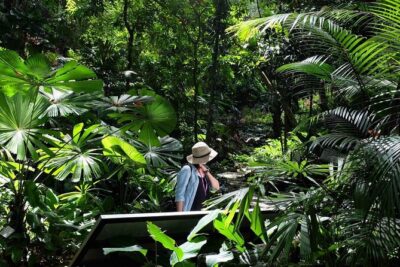
Penang Round Island Tour With Tropical Spice Garden & Entopia Butterfly Farm
Read our review →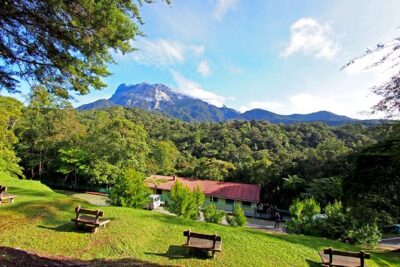
Kinabalu Park With Rumah Terbalik & Desa Cow Farm
Read our review →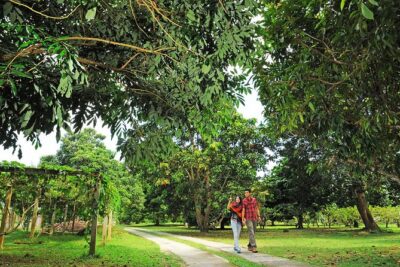
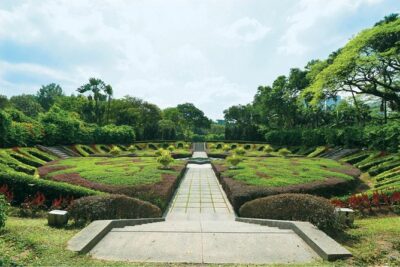
Bird Park & Butterfly Farm Nature Include All Entrance Tour From Kuala Lumpur
Read our review →Browse the lists this tour appears in