
Reviewed · HISTORICAL TOURS
Kuala Lumpur Michelin Guided Chinatown Heritage and Flavors
Come hungry, leave curious. This three-hour Kuala Lumpur walking tour links Chinatown’s old temples and markets with Chinese pastries, tea, street snacks, and a Michelin Bib Gourmand meal. I like the way it combines food with local history instead of treating lunch as the whole event. I also like the small group limit of 10, which should make it easier to hear the guide and keep the pace manageable.
The main consideration is timing. At $49 per person, the price is fair if you value several tastings, lunch, guided sightseeing, and the train ride. Still, the tour moves through five stops in about three hours, so you should expect a brisk introduction rather than a slow, free-form Chinatown wander. Shop closures or special events can also affect the planned route, as happened when Sunday and marathon conditions changed one guest’s visit.
In This Review
- Five Details That Shape the Experience
- Why This Chinatown Tour Works
- Guan Di Temple, Chinatown’s Quiet Starting Point
- Petaling Street and the Taste of Old Chinatown
- Fung Wong Biscuit and a Century of Chinese Pastry
- YuYan Café and the Tea Tasting
- Ah Hei Bak Kut Teh, the Main Food Event
- Group Size, Walking, and the Included Train Ride
- What the Guide Can Add
- Who Will Get the Most from This Experience?
- Should You Book the Chinatown Heritage and Flavors Tour?
- FAQ
- How much does the Kuala Lumpur Chinatown food tour cost?
- How long does the experience last?
- What time and where does the tour start?
- Where does the tour finish?
- Is lunch included?
- How large is the tour group?
Five Details That Shape the Experience
- Guan Di Temple begins the story: You visit a more than century-old Taoist temple that once served as a clan house and local court.
- Petaling Street brings the street-food setting: The tour passes through one of Kuala Lumpur’s oldest Chinese districts, known for its market and hawker food.
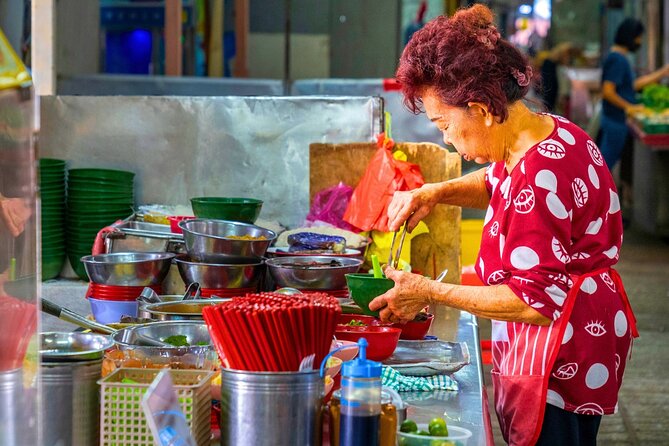
- Fung Wong Biscuit keeps old pastry traditions alive: You sample Chinese pastries at a long-running bakery now set up as a modern café.
- Tea gets its own guided stop: YuYan Café & Hotel includes a tea tasting led by an experienced tea master.
- Ah Hei Bak Kut Teh supplies the main meal: The Michelin Bib Gourmand restaurant serves herbal pork soup made with 16 medicinal herbs and fragrant rice.
- A small group and short train ride improve the flow: The experience ends at Bukit Bintang MRT, after transport by underground train is included.
Why This Chinatown Tour Works
Kuala Lumpur’s Chinatown can feel like several places at once. You have old Chinese religious sites, food stalls, market lanes, cafés, bakeries, and newer city transport all packed into a short distance. This experience gives those pieces a clear order.
You begin at Pasar Seni at 9:30 a.m., then walk through central Chinatown before finishing at Bukit Bintang MRT. That ending point is useful if you plan to continue sightseeing, shopping, or eating in another part of the city. The route also avoids making you find your own way back to the starting point.
I like the balance between fixed attractions and food stops. Guan Di Temple gives you a reason to look up from the food stalls. The bakery and tea house slow things down. Then Bak Kut Teh provides a proper meal rather than leaving you with a collection of small bites and a hungry afternoon.
The experience is listed at $49 per person. That includes an English-speaking guide, lunch, coffee or tea, food tastings, and the underground train. The value depends on how much you would otherwise spend arranging several tastings and finding the right places yourself, but the package covers more than a simple guided walk.
More History Tours in Kuala Lumpur
- Historical Malacca Guided Day Tour (Shared Tour)
★ 5.0 · 2,172 reviews - Kuala Lumpur: Batu Caves & Historic Buildings Tour
★ 4.7 · 539 reviews - Historical Malacca Day Tour from Kuala Lumpur (Private Tour)
★ 5.0 · 515 reviews
Guan Di Temple, Chinatown’s Quiet Starting Point
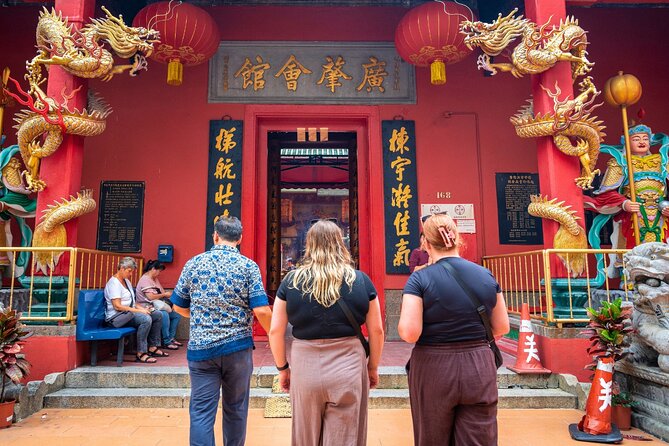
The first stop is Guan Di Temple, located in the center of Kuala Lumpur’s Chinatown. You have about 30 minutes here, enough time for an introduction to the temple and its role in the neighborhood.
The site is dedicated to Guan Di, a major Taoist figure, and has served the Chinese community for more than a century. Its past use as both a clan house and a local court gives the visit extra weight. This was not only a place for worship. It also helped organize community life and settle local matters.
I like beginning with a temple because it gives the food stops some context. Chinese cooking traditions in Malaysia did not develop in isolation. They grew alongside family associations, religious buildings, markets, and working neighborhoods. You do not need a long lecture to appreciate that connection, but a good guide can help you see it.
Admission is not included, according to the tour details. The information provided does not state an additional entrance fee, so it is sensible to carry some Malaysian currency in case the temple requests a contribution or fee. Dress and behavior should be respectful at any active place of worship.
Thirty minutes is enough for a first look, but not enough for an extended study of every detail. If you like temples, arrive with realistic expectations. This is one chapter of the morning, not a full religious-site tour.
Petaling Street and the Taste of Old Chinatown
From Guan Di Temple, the route continues to Petaling Street Market for about 30 minutes. This area is often described as the heart of Kuala Lumpur’s Chinatown, and it is where the tour’s food focus begins to feel more immediate.
Petaling Street is known for its morning market and street food. You can expect the guide to point out local snacks and hawker foods while you move through the market area. The exact food selection may vary, so it is better to think of this as a guided tasting walk than a guaranteed menu of named dishes.
This stop matters because it shows food in its normal setting. A pastry in a café can be pleasant, but food stalls and market lanes explain how people eat, shop, and gather in daily life. The atmosphere may be busy, and the route could feel crowded at times. Comfortable shoes and a willingness to keep moving will help.
The half-hour limit means you probably will not have time to browse every stall. That is the trade-off for including several other stops. I would treat Petaling Street as a sampling of Chinatown, then return later on your own if one particular stall catches your eye.
Fung Wong Biscuit and a Century of Chinese Pastry
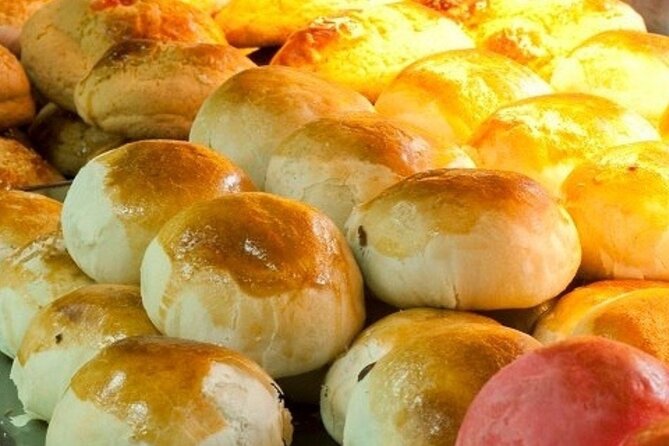
The next 30-minute stop is Fung Wong Biscuit, a long-established bakery known especially for traditional Chinese pastries and wedding cakes. The business has been operating for more than a century and now includes a modern café setting.
This is one of the tour’s most distinctive stops. Many food walks focus on dishes you eat immediately, but traditional pastries reveal another part of Chinese Malaysian food culture. Wedding cakes and other baked specialties often carry family, festival, and regional associations. The bakery gives you a chance to taste that side of the cuisine.
The café setting may also make this a more comfortable pause than a market stall. You have time to sample the pastries and hear about the business without standing in the middle of a crowded lane.
The tour details say admission is included here, and food tasting is part of the package. They do not specify the exact pastries served, so anyone with a strong preference or dietary restriction should ask the guide before booking. The supplied information also does not confirm vegetarian, halal, allergy-friendly, or gluten-free alternatives.
A completely different kind of day out:
- Kuala Lumpur: Batu Caves Half-Day Tour with Pick-Up Option
★ 4.5 · 4,288 reviews - Private Half-Day Batu Caves and Cutural Tour in Kuala Lumpur
★ 5.0 · 3,107 reviews - Sambal Streets Kuala Lumpur Food Tour with 15+ Tastings
★ 5.0 · 2,438 reviews - Kuala Lumpur: Sambal Street Food Tour with 15+ Tastings
★ 4.9 · 1,657 reviews
YuYan Café and the Tea Tasting
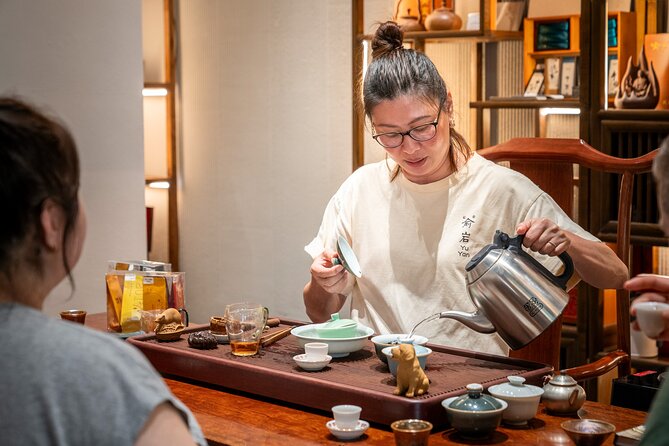
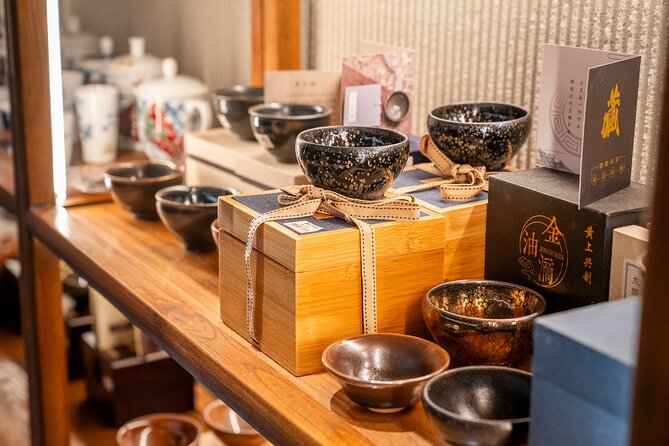
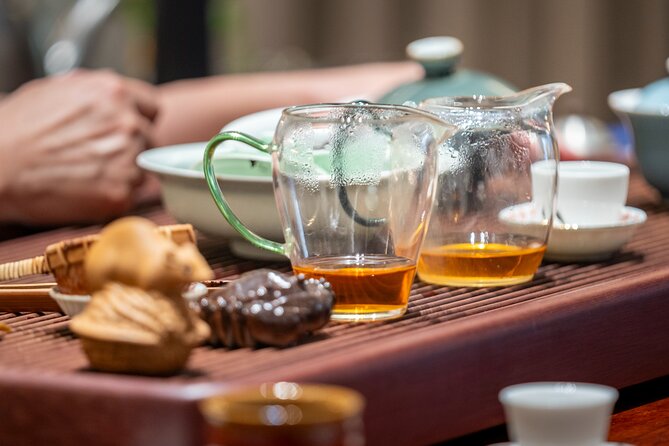
YuYan Café & Hotel offers another 30-minute stop, this time focused on Chinese tea. You can choose from a range of premium teas with help from an experienced tea master, then take part in a tea tasting.
This is a welcome change of pace. After market food and pastries, tea gives the morning a quieter rhythm. I like that the tour does not simply hand you a cup and move on. The stated format includes help selecting a brew to suit your taste, so you get some explanation as well as a drink.
Tea is a useful bridge between food and culture. It is part of social life, hospitality, and everyday routine, not just a specialty product. Even a short tasting can help you notice the difference between simply drinking tea and paying attention to its preparation and flavor.
The word premium can mean different things in different settings, so do not book this expecting an elaborate tea ceremony unless the guide confirms that format. What is promised is a tea house visit, guidance from a tea master, and tasting time. Coffee and tea are included in the overall package, although the exact drink choices are not listed.
Ah Hei Bak Kut Teh, the Main Food Event
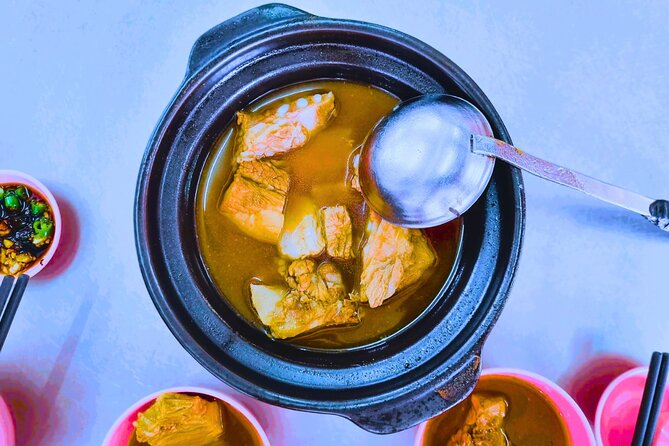
The final major stop is Ah Hei Bak Kut Teh, where you spend about an hour. This restaurant has a Michelin Bib Gourmand designation and is known for Bak Kut Teh, a Chinese herbal soup served with fragrant rice.
The soup is prepared with a blend of 16 medicinal herbs. That detail gives you a sense of the dish’s character: this is not a plain broth, but a strongly seasoned meal built around herbs and pork. The exact ingredients and serving style are not provided, so anyone avoiding pork should check before booking.
I like that lunch comes late in the route. You first get small tastes and background, then sit down for a full dish. An hour should give you more time to eat and ask questions than the shorter stops allow.
The Michelin Bib Gourmand mark is useful here because it signals a restaurant recognized for good food at a more accessible price level than top-end fine dining. It does not mean you are entering a formal tasting-menu restaurant. The appeal is a local specialty served in a respected setting, with the guide helping you understand what you are eating.
Bak Kut Teh is also a practical choice for a food tour because it is closely tied to Chinese Malaysian cooking. The herbal broth, rice, and shared meal format offer a stronger sense of place than generic international dishes. If you enjoy soups, herbs, and savory food, this should be the tour’s high point. If you dislike pork or strong herbal flavors, it may be the part that requires the most thought.
Group Size, Walking, and the Included Train Ride
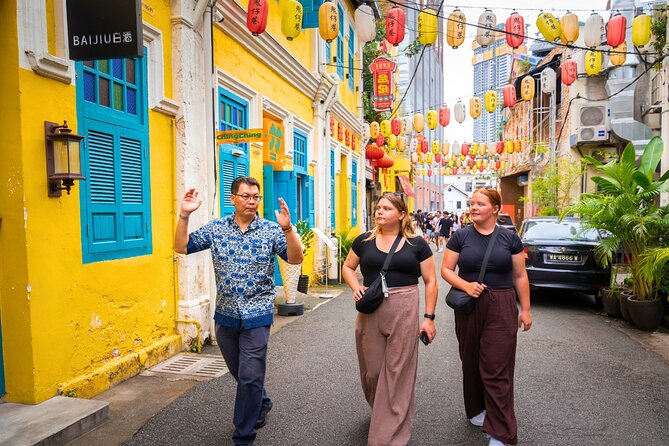
The tour accepts a maximum of 10 people. That is a good size for a food walk. You are less likely to lose the guide in a market, and questions should be easier to ask than on a large coach excursion.
The tour lasts about three hours, with each stop taking roughly 30 minutes except lunch. The compact schedule keeps the morning focused, but it also leaves little room for a long detour or an unhurried shopping stop. If you prefer to photograph every doorway or read every menu, you may feel rushed.
An underground train ride is included. The tour begins at Pasar Seni and finishes at Bukit Bintang MRT, station SBK18A. The guide takes you to Bukit Bintang MRT, where the tour ends. That makes the experience a one-way route rather than a circular walk, so plan your next activity from Bukit Bintang.
The details do not state the total walking distance or the number of train stops. Most people can participate, but the tour is still best suited to anyone comfortable walking through market areas and moving between food stops.
What the Guide Can Add
A food tour depends heavily on the guide. The experience includes an English-speaking guide, and one particularly positive visit was led by Danny. Because he was the only participant that day, Danny could tailor the route and adjust to Sunday and marathon-related shop closures.
That detail is worth noting for two reasons. First, it shows that the guide can adapt when the city does not follow the printed plan. Second, a small group can create a more personal experience when conditions allow. You should not assume you will have a private tour, since the maximum is 10 people, but the group limit leaves room for individual attention.
Shop closures are a practical possibility, especially on Sundays or during city events. The route may need to change if a food stop is unavailable. The supplied information does not promise replacement dishes or a fixed backup plan, so keep a flexible attitude. A good guide can preserve the spirit of the tour even when one shop cannot open.
Who Will Get the Most from This Experience?
I would choose this tour if you want a short, guided introduction to Chinatown with food doing much of the storytelling. It suits first-time visitors who want several experiences in one morning without planning each address themselves.
It is also a good fit if you are curious about Chinese Malaysian food but do not know where to begin. You get market snacks, traditional pastries, tea, and a named local specialty in one route. The English-speaking guide helps connect those stops.
The tour may not suit you if you want a slow shopping morning, a large number of tastings, or a fully customizable food menu. It also deserves caution if you have dietary restrictions, since the included main dish is Bak Kut Teh and the exact tasting menu is not stated.
The small group, mobile ticket, included transport, and free cancellation up to 24 hours before the start make the booking simple. Confirmation arrives at booking, and most people can participate. For a 9:30 a.m. start, you should arrive at Pasar Seni with enough time to locate the meeting point without rushing.
Should You Book the Chinatown Heritage and Flavors Tour?
Book it if you want a compact morning built around real Chinatown food, a historic Taoist temple, and a Michelin Bib Gourmand lunch. At $49, the package offers good value when you count the guide, tastings, tea or coffee, lunch, and train ride.
Skip it if your main goal is independent browsing or if Bak Kut Teh and Chinese pastries do not appeal to you. The best reason to choose this experience is its mix: temple, market, bakery, tea house, and herbal soup, all connected by a guide in three hours. If that sounds like your kind of Kuala Lumpur morning, this is a practical and flavorful way to get started.
FAQ
How much does the Kuala Lumpur Chinatown food tour cost?
The tour costs $49 per person.
How long does the experience last?
The tour lasts approximately three hours.
What time and where does the tour start?
It starts at 9:30 a.m. at Pasar Seni in Kuala Lumpur City Centre, 50000 Kuala Lumpur.
Where does the tour finish?
The tour ends at Bukit Bintang MRT, station SBK18A. The guide takes you to the station before the experience finishes.
Is lunch included?
Yes. Lunch, food tastings, coffee and/or tea, an English-speaking guide, and the underground train are included.
How large is the tour group?
The maximum group size is 10 people. Most people can participate.
Just added in Kuala Lumpur
- Explore Kuala Lumpur: Iconic City Landmarks & Batu Caves★ 5.0 · 15 reviews
- AVANI Sepang Goldcoast Resort Hotel TO Kuala Lumpur Hotel Door to Door Transfer★ 4.5 · 3 reviews
- Private Hire Taxi Driver Port Klang Cruise Terminal To KL Tour★ 5.0 · 1 review
- Batu Caves And Putrajaya Cruise Excursion Tour From Port Klang★ 5.0 · 1 review
- Kuala Lumpur Airport Transfer★ 5.0 · 29 reviews
- Transfer To Avani Sepang Goldcoast Resort★ 5.0 · 2 reviews
- Airport Layover: Kuala Lumpur Full-Day Tour★ 4.0 · 1 review
- Airport Layover Tour: Kuala Lumpur Full-Day★ 4.5 · 6 reviews
Historical Tours, compared.
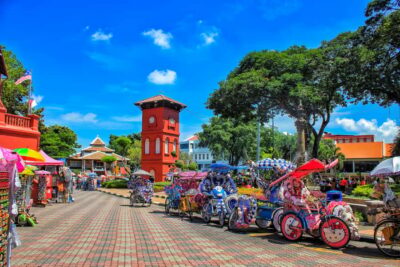
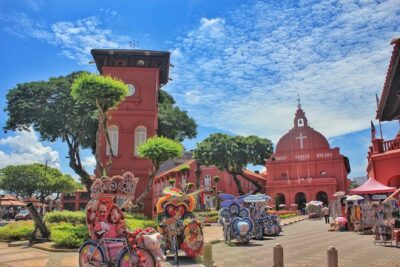
Historical Malacca Guided Day Tour (Shared Tour)
Read our review →
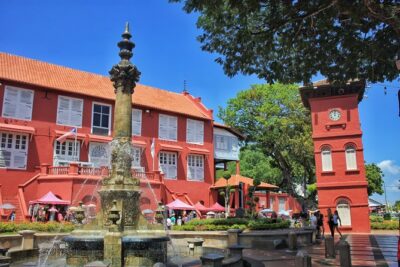
Historical Malacca Day Tour from Kuala Lumpur (Private Tour)
Read our review →
Private Half-day Batu Caves and Cultural Tour Kuala Lumpur *2026*
Read our review →
Malacca Historical Private Tour With Personal Chauffeur
Read our review →Browse the lists this tour appears in