
Reviewed · MUSEUMS
Penang: Wonderfood Museum Entry Ticket
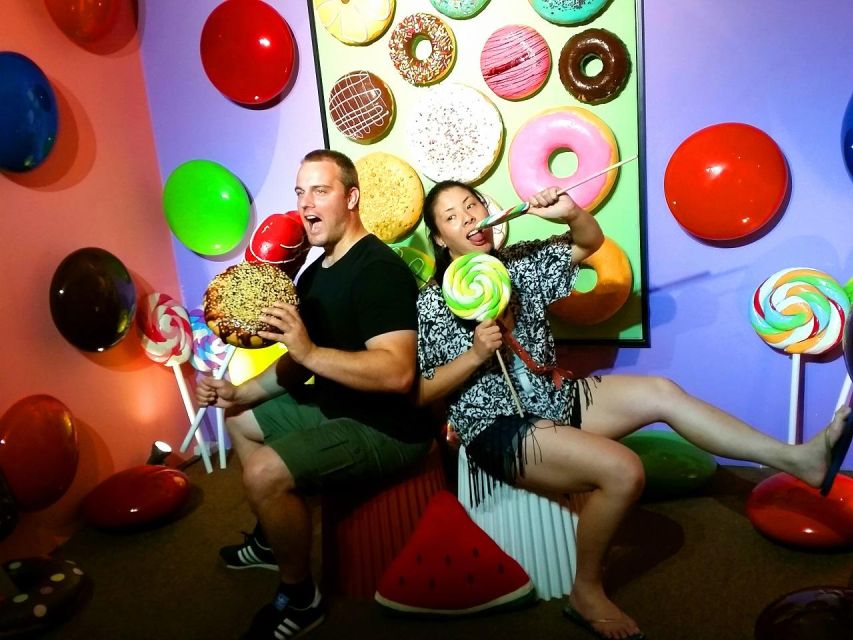
Food gets supersized in Georgetown. The Penang Wonderfood Museum turns more than 100 Malaysian dishes into giant, hyper-realistic displays, and I like its clever use of Japanese food-replication techniques and its easy, self-paced layout. The main drawback is simple: if you want to taste Penang rather than look at it, this $5 ticket only shows you the food.
The museum sits in a 1940s colonial building, which gives the visit a fitting setting. I also like that the displays cover several cultural food traditions instead of focusing on one narrow menu. You can read at your own speed, take in the playful scenes, and use the exhibits as a visual introduction before eating your way around Georgetown.
In This Review
- Key points to know before you go
- Entering a 1940s colonial building in Georgetown
- The Info Zone: a useful introduction to Penang food
- The Wow Zone: giant food designed for a reaction
- The Educational Zone: food with a lesson behind it
- How realistic are the food models?
- Interactive exhibits that make reading easier
- Is the $5 admission good value?
- Planning your visit from 9:00 AM to 6:00 PM
- Who will enjoy the Wonderfood Museum most?
- What the high rating tells you
- Should you book the Penang Wonderfood Museum?
- FAQ
- Where is the Penang Wonderfood Museum?
- How much does admission cost?
- What does the ticket include?
- Is food or drink included?
- How long is the ticket valid?
- What are the museum’s opening hours?
- Can I cancel my booking?
- Do I need to pay when I reserve?
- Is the museum wheelchair accessible?
Key points to know before you go
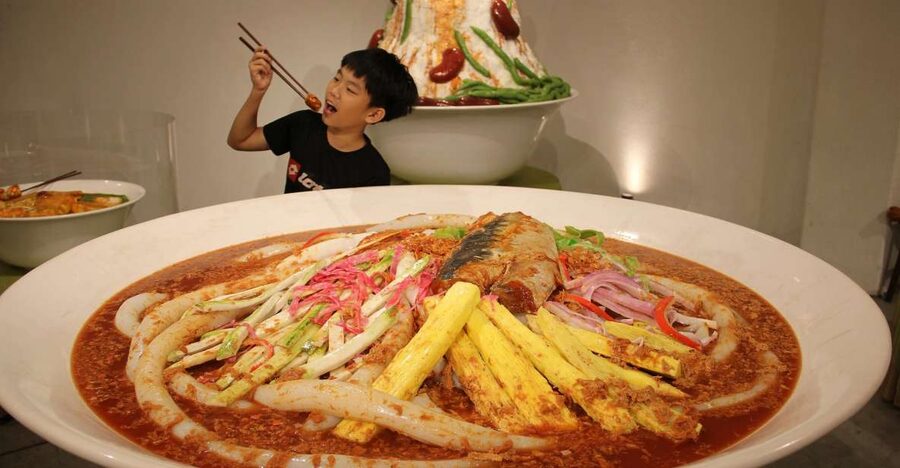
- Over 100 oversized dishes: See larger-than-life versions of local Malaysian food, from familiar street dishes to traditional favorites.
- Three different galleries: The Info Zone, Wow Zone, and Educational Zone each present Penang’s food culture in a different way.
- Made with Japanese replication methods: Owner Sean Lao created the detailed food models by hand, with a focus on realistic color, texture, and shape.
- A self-paced visit: You can walk through the galleries at your own speed and stop to read the information beside the displays.
- Good value at $5: The low admission price makes this an easy addition to a Georgetown day, especially for families and first-time visitors.
- Open daily from 9:00 AM to 6:00 PM: You redeem your ticket directly at the museum, with no hotel transfer included.
Entering a 1940s colonial building in Georgetown
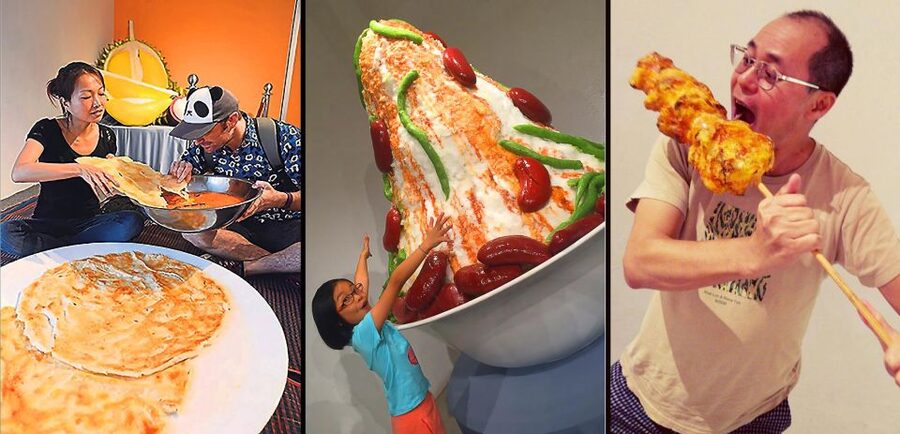
The setting helps give the museum its character. Inside a 1940s colonial building in Georgetown, you get a playful food attraction with a local sense of place, not a standard modern exhibition hall.
That matters because Penang’s food culture is tied closely to the city itself. The museum does not try to replace the hawker stalls and restaurants outside. Instead, it gives you a visual guide to the foods you may encounter once you leave.
You should think of the museum as a short cultural stop rather than a full-day attraction. Your ticket is valid for one day, but the information provided does not set a fixed visit length or scheduled tour. That freedom works well if you are fitting the museum between meals, shopping, and other Georgetown sights.
The entrance is also a direct-arrival setup. You proceed to Wonderfood Museum for ticket redemption, and hotel pickup and drop-off are not included. If you are staying elsewhere in Penang, you will need to arrange your own way there.
More Museum Tours in Penang
- Penang : Cool Ghost Museum Penang Ticket
★ 5.0 · 2 reviews - Straits and Oriental Museum Ticket
★ 5.0 · 128 reviews - Asia Camera Museum Admission Ticket
★ 5.0 · 18 reviews
The Info Zone: a useful introduction to Penang food
The Info Zone is the place to slow down and read. Here, the food is not just oversized decoration. The displays give you context about Penang’s food heritage and the different dishes that have shaped the city’s eating culture.
I like this part because giant replicas can be amusing without being very useful. The information panels give the models a purpose. You can connect the dish in front of you with the wider mix of cultural traditions found in Penang.
The museum presents multi-cultural delicacies across its three galleries. That broad approach is valuable for first-time visitors who may recognize a few Malaysian foods but not understand how varied the local menu can be.
You can also use this section as a planning tool for the rest of your day. The museum does not provide a tasting menu, but it may help you notice dishes you want to search for at a food stall or restaurant later.
The written information is meant to be read at your own pace. One of the strongest features of the visit is this lack of pressure. You are not being hurried along by a guide or a fixed group schedule, so you can spend more time with the exhibits that catch your eye.
The Wow Zone: giant food designed for a reaction
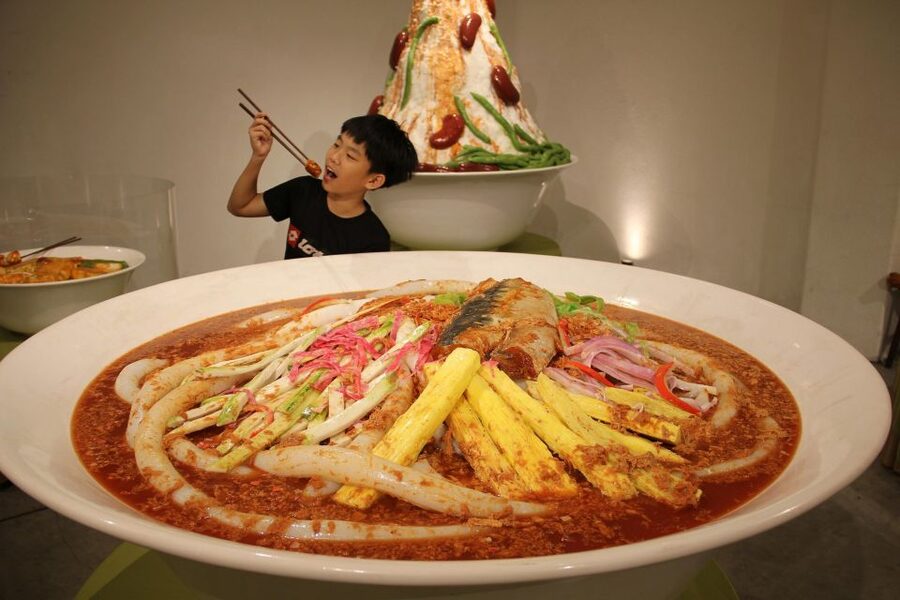
The Wow Zone is where the museum’s scale becomes the main event. Instead of seeing ordinary plates at ordinary size, you encounter oversized Malaysian dishes that turn familiar food into eye-catching sculpture.
This section gives the museum its slightly kooky personality. A bowl or plate becomes a large visual object, and the effect is meant to surprise you. The displays are also tempting in an unusual way because they are made to look like real food, even though you cannot eat them.
The realistic appearance comes from handcrafted models made using Japanese food-replication techniques. The museum’s owner, Sean Lao, created the displays with careful attention to form and detail. That craftsmanship is one reason the exhibits work better than simple plastic props.
Expect modern food recreations as well as traditional dishes. The collection includes street food favorites and other foods connected to Penang’s everyday eating culture. You get a broad look at what people associate with the city’s cuisine instead of a display limited to restaurant classics.
The Wow Zone is likely to be the most immediately entertaining part for children. It also gives adults plenty to inspect, especially if you enjoy food photography, unusual museum design, or seeing familiar objects made strange by scale.
Still, the humor is part of the experience. If you prefer quiet museums with original historical objects, this section may feel more like a themed attraction than a formal cultural institution. That is not a flaw, but it is important to set the right expectation before you arrive.
The Educational Zone: food with a lesson behind it
The Educational Zone gives the museum a more serious purpose. Its displays help explain Penang’s food heritage and show how food can reflect the city’s many cultural influences.
The exhibit design appears to be arranged in sections, allowing you to consider different parts of the local food scene rather than looking at one long row of unrelated dishes. That organization makes the visit easier to follow.
I would give this area extra attention if you are visiting Penang for the first time. Food is one of the clearest ways to understand the city, and a visual introduction can make later meals more meaningful. You may recognize the names or shapes of dishes you see elsewhere, even if you do not remember every detail from the museum.
The educational material also helps explain why Penang food cannot be reduced to one style. The museum presents a mix of traditional cuisine, street food, and modern food recreations. You are not simply looking at large objects. You are seeing how a city’s food identity can include several communities and generations.
This gallery may be less instantly exciting than the giant displays, especially for younger children. The advantage is that it adds substance to the visit. Without it, the museum would be little more than a collection of funny oversized dishes.
More Penang trips:
- Penang Plates Food Tour with 15+ Tastings
★ 4.9 · 734 reviews - George Town, Penang: Malay Countryside Cycling
★ 4.7 · 287 reviews - Penang: Kek Lok Si Temple and Penang Hill Guided Tour
★ 4.9 · 199 reviews - Good Morning Penang Food Tour with 15+ Tastings
★ 5.0 · 148 reviews
How realistic are the food models?
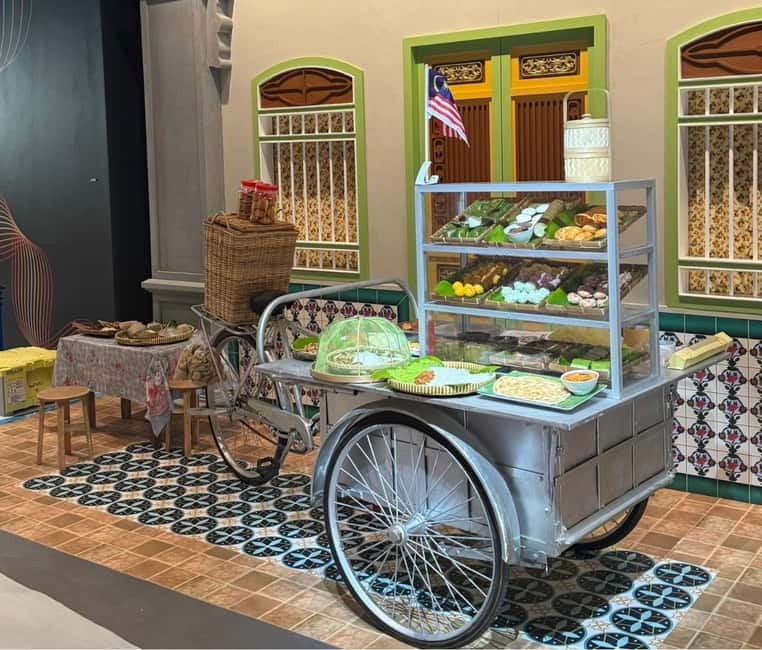
The models are meant to look hyper-realistic, and the supplied information places strong emphasis on their detail. Japanese food-replication methods are known for making artificial food look highly convincing, and Sean Lao used those techniques to handcraft the museum’s collection.
You should expect careful shapes, colors, and presentation. The models are built to make you look twice. A visitor who enjoys close-up details will get more from the museum than someone who only walks quickly through the rooms.
The realism also creates the museum’s central joke: the food looks tempting, but it is entirely visual. You will leave hungry if you arrive expecting samples. Plan a real Penang meal before or after your visit.
That limitation is worth noting when you assess the $5 price. You are paying for an exhibition and cultural introduction, not for lunch. At the same time, the low ticket cost makes the distinction easy to accept. A small admission fee buys you an entertaining stop and some useful food context without the commitment of a guided food tour.
Interactive exhibits that make reading easier
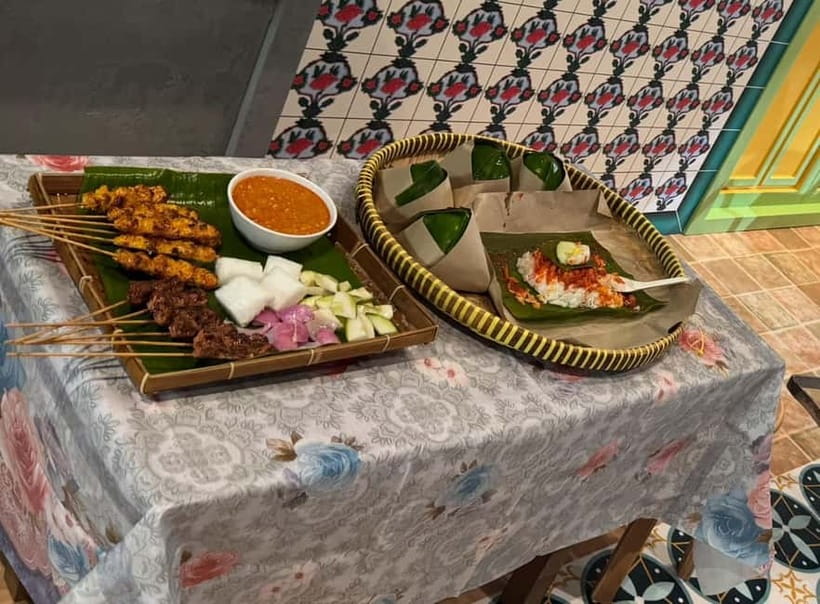
The museum includes detailed interactive exhibits arranged around different parts of Penang’s food culture. The interactive element gives you something to do besides stand in front of a model and read a panel.
That is especially helpful for families. Children can engage with the displays while adults take in the background information. The museum is not described as a hands-on cooking class, so you should not expect food preparation or tasting activities. Its interaction comes through the exhibit design.
I like this balance because the museum serves more than one kind of visitor. You can treat it as a light, amusing stop, or you can spend time reading and thinking about the food traditions behind the displays.
The ability to move at your own speed is another practical advantage. You can skim sections if you have a busy Georgetown schedule, or pause with the foods that interest you most. There is no stated group size or required route, so the visit should feel flexible rather than tightly managed.
Is the $5 admission good value?
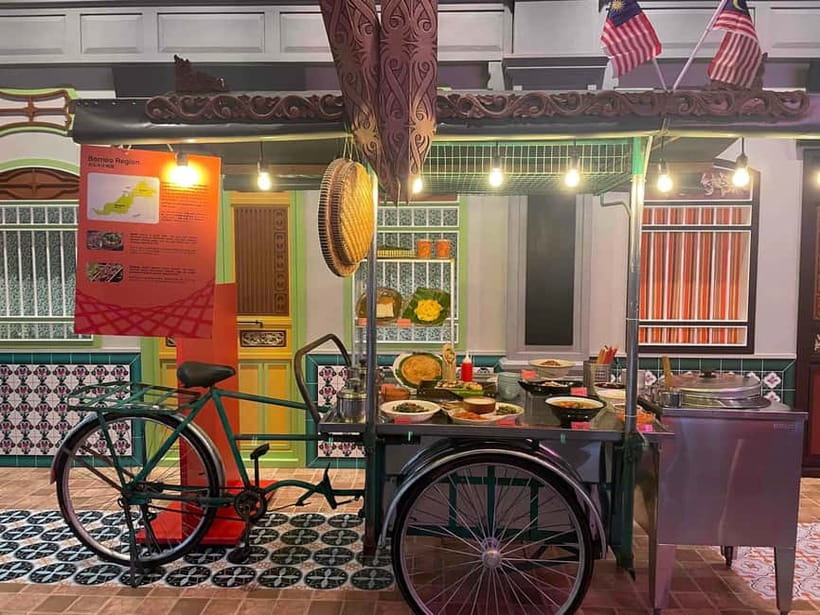
At $5 per person, the museum offers good value for a low-cost cultural stop. The ticket includes admission to Wonderfood Museum Penang, and the visit remains valid for one day.
The value is strongest if you want a short indoor attraction with a clear local theme. You get three galleries, more than 100 food displays, and explanatory material about Penang’s food heritage. That is a fair return for the price.
The value is less obvious if you are only interested in eating. The museum will not provide a meal, a food sample, hotel transport, or a guided street-food walk. You will need to combine it with your own food plans.
I would especially recommend it before a full day of eating around Georgetown. The displays can give you a better idea of what to look for, and the museum’s cultural explanation adds meaning to foods you might otherwise treat as anonymous plates.
The ticket rules are straightforward. Infants aged 0 to 2 enter free. Child tickets cover ages 3 to 12, adult tickets cover ages 13 to 59, and senior tickets cover people aged 60 and older.
Planning your visit from 9:00 AM to 6:00 PM
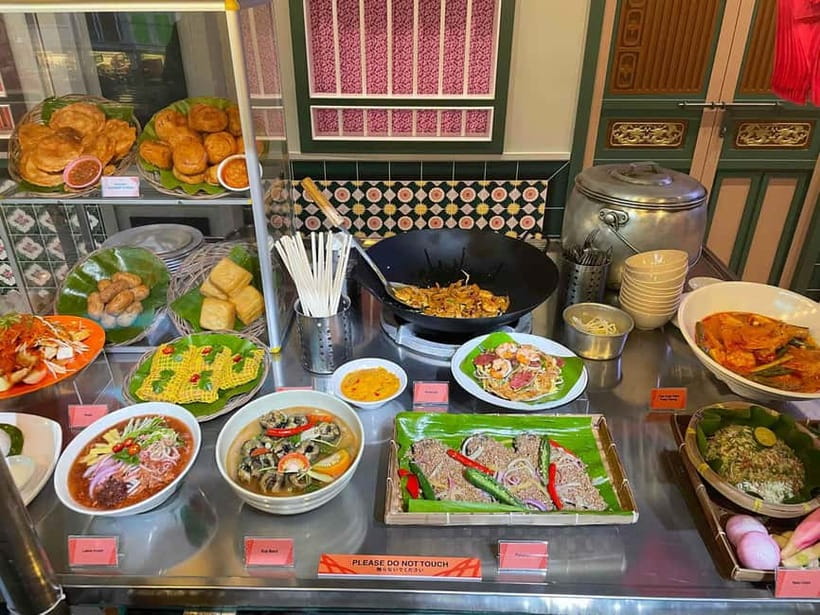
Wonderfood Museum is open daily from 9:00 AM to 6:00 PM. Since the ticket is valid for one day and no fixed start time is given, you can check availability and choose a time that fits your Georgetown plans.
Morning can be a sensible choice if you want the museum to introduce your food plans for the day. You can read about local dishes first, then seek out the real versions afterward.
An afternoon visit also works if you want an indoor break. The museum provides a change from walking around the city, especially during the warmer part of the day. The information provided confirms that the museum is wheelchair accessible, which is useful for visitors who need step-free access.
Allow yourself enough time to read the displays instead of treating the museum as a quick photo stop. The self-paced format means you can decide how long to stay, but the strongest experience comes from combining the visual spectacle with the information in the galleries.
You should also remember that transportation is not part of the ticket. Go directly to Wonderfood Museum for redemption, and plan your own route to Georgetown.
Who will enjoy the Wonderfood Museum most?
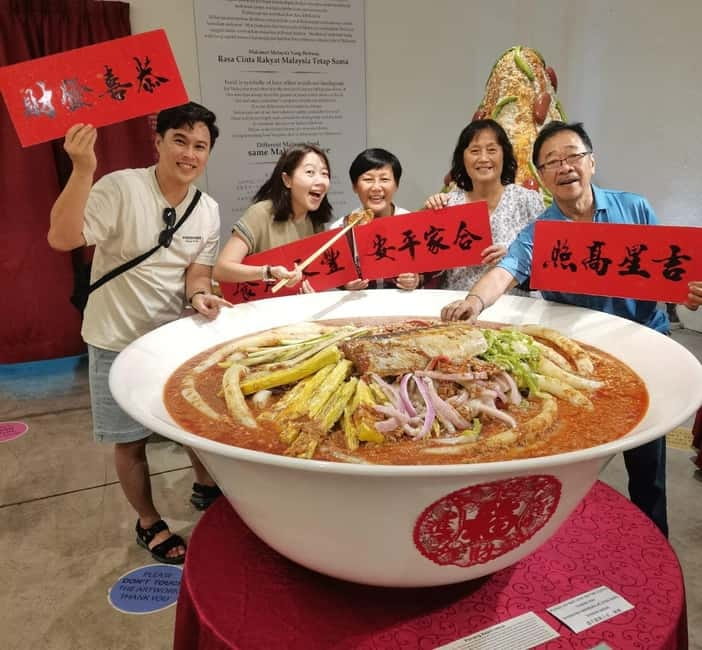
The museum suits first-time visitors who want a quick introduction to Penang’s food culture. It is also a natural fit for families, since the oversized dishes and interactive exhibits make cultural information more approachable for children.
Food lovers will appreciate the chance to see more than 100 local dishes presented in one place. You cannot taste them, but you can use the displays to identify foods you may want to try later.
Photographers and visitors who enjoy unusual attractions should also find plenty to like. The exaggerated scale and realistic models create a visual experience unlike a normal museum collection.
I would be more cautious about recommending it to anyone seeking a serious historical museum or a guided culinary tour. The setting and educational material give it substance, but the tone remains playful. The museum celebrates food through spectacle as much as through explanation.
The visit can also work well for a mixed-interest group. One person can read the food information, another can focus on photos, and children can enjoy the interactive displays. That flexibility is a real advantage when everyone in your party wants something slightly different.
What the high rating tells you
The experience has a 4.8 rating based on seven reviews, with praise focused on the enjoyable displays and the freedom to walk around at your own speed. That matches the museum’s basic strengths: it is easy to explore, visually memorable, and simple to fit into a wider Georgetown day.
The most useful practical point is the self-paced format. You do not need to keep up with a guide or wait for a tour group. You can read the information that interests you and move on when you are ready.
The enthusiastic response should not make you expect a major museum complex. This is a focused attraction built around food replicas and interactive presentation. Its success depends on whether you enjoy the idea of seeing familiar dishes enlarged and recreated with unusual precision.
Should you book the Penang Wonderfood Museum?
I would book this ticket if you want an affordable, easygoing Georgetown attraction with a strong local food theme. The $5 price is modest, the three galleries offer more than simple photo props, and the oversized dishes give you a memorable introduction to Penang’s eating culture.
You should skip it if your main goal is a meal, a cooking lesson, or a guided food walk. The museum shows you the dishes but does not serve them.
For most visitors, the best plan is to treat Wonderfood Museum as a one-hour-style cultural stop within a larger Georgetown day, although no official visit length is specified. Go with an appetite for ideas, then find the real food afterward.
FAQ
Where is the Penang Wonderfood Museum?
The museum is in Georgetown, Penang, Malaysia, inside a 1940s colonial building.
How much does admission cost?
The listed price is $5 per person.
What does the ticket include?
The ticket includes admission to Wonderfood Museum Penang.
Is food or drink included?
No food or drink is included. The experience presents realistic replicas of Malaysian dishes.
How long is the ticket valid?
The ticket is valid for one day.
What are the museum’s opening hours?
Wonderfood Museum is open daily from 9:00 AM to 6:00 PM.
Can I cancel my booking?
Yes. You can cancel up to 24 hours in advance for a full refund.
Do I need to pay when I reserve?
You can reserve now and pay later, so you do not have to pay at the time of booking.
Is the museum wheelchair accessible?
Yes, the museum is wheelchair accessible.
More Museum Tours in George Town Malaysia
- Quirky Art Museum called Ur-Mu in Bukit Bintang, KL
★ 5.0 · 49 reviews - Best of Kuala Lumpur City Tour Including National Museum and National Monument
★ 3.0 · 23 reviews - George Town Highlights & Upside Down Museum tours (4 Hours)
★ 4.5 · 7 reviews - Islamic Arts Museum Admission with Kuala Lumpur Famous Landmarks
★ 5.0 · 6 reviews
Just added in George Town Malaysia
- Penang: Trishaw Ride and Hawker Center Food Tour★ 4.3 · 20 reviews
- Penang: Private Customized Flexible Tour with Tourist Guide★ 5.0 · 19 reviews
- Penang: Private Highlights Tour with Temples, Hill & Gardens★ 5.0 · 5 reviews
- Penang Local Food Hunting★ 5.0 · 10 reviews
- Penang Island: Street Food Walking Tour★ 5.0 · 3 reviews
- Penang : Cool Ghost Museum Penang Ticket★ 5.0 · 2 reviews
- Penang: ATV Ride in Balik Pulau with Snacks and Transfers★ 4.6 · 13 reviews
- George Town: Penang Customizable Private Tour★ 5.0 · 1 review
Museums, compared.
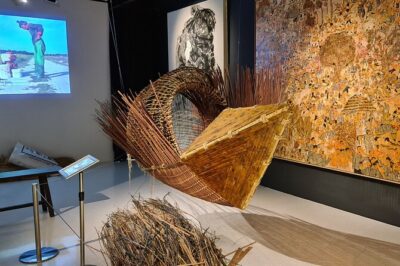
Quirky Art Museum called Ur-Mu in Bukit Bintang, KL
Read our review →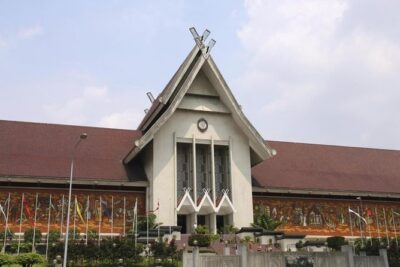
Best of Kuala Lumpur City Tour Including National Museum and National Monument
Read our review →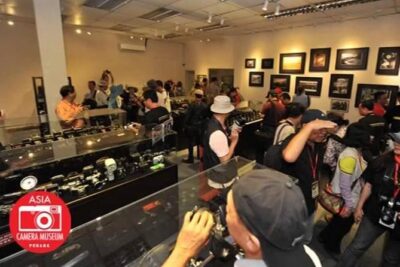
George Town Highlights & Upside Down Museum tours (4 Hours)
Read our review →
Treasures Of The Far East-Malacca, Museum, Trishaw Ride(Private)
Read our review →
Islamic Arts Museum Admission with Kuala Lumpur Famous Landmarks
Read our review →
Browse the lists this tour appears in