
Reviewed · COOKING CLASSES
Kuala Lumpur: Malaysian Cooking Class with Market Tour
Fresh spices tell the story. LaZat Cooking pairs a morning visit to TTDI Wet Market with a hands-on Malaysian cooking class, so you meet the ingredients before you cook them. I like the market-to-table flow, and I like having your own burner, utensils, mortar, and pestle. The main consideration is the early start and the fact that transport to the market, and onward travel after class, are not included.
The cooking menu changes with the day’s ethnic theme, which keeps the experience from feeling like a fixed tourist script. Saadiah has earned special praise for her warm teaching and for dishes such as nasi lemak and chicken rendang, while the market portion can include a memorable roti canai stop. If you want a full five-and-a-half-hour activity, this is a strong choice. If you only want a quick lesson, it may feel long.
In This Review
- Key points to know before booking
- Why this Kuala Lumpur cooking class works
- Meeting the group at TTDI Wet Market
- Reading Malaysian food at the market
- The transfer from the market to LaZat Cooking
- Cooking with your own burner and tools
- Learning from Saadiah and the teaching style
- Building and eating the three-course lunch
- What the $149 price really covers
- Who should book this five-and-a-half-hour experience?
- Practical tips for a smoother morning
- Should you book LaZat Cooking?
- FAQ
- Where does the cooking experience begin?
- What time does the market tour start?
- Can I skip the market tour?
- Is transport included?
- What is included in the cooking class?
- What will I cook?
- What languages are available?
Key points to know before booking
- Meet at TTDI Wet Market at 8:30 AM: You begin at the market entrance facing Jalan Wan Kadir, not at the cooking school.
- The market visit comes first: You learn about local ingredients and cooking methods before riding to LaZat Cooking.
- You cook a full three-course lunch: The meal includes an appetizer, main course, and dessert.
- Every participant gets personal equipment: Your setup includes a gas burner, cooking utensils, traditional tools, and a mortar and pestle.
- The daily menu changes: Each day features a different ethnic menu, so the exact dishes depend on your booking date.
- Saadiah is a memorable instructor: Her Saturday classes are especially worth considering if her schedule matches yours.
Why this Kuala Lumpur cooking class works
Many cooking classes give you a recipe, a work station, and a meal. This one adds the useful first step of shopping knowledge. At TTDI Wet Market, you can see the raw materials in their normal setting before they are measured, chopped, and cooked.
That matters in Malaysian food. Herbs, spices, coconut, chilies, and other fresh ingredients do not play minor supporting roles. They shape the taste of the dish. Seeing them at the market helps you understand why the finished meal tastes different from a simplified version made with supermarket substitutes.
I also like that LaZat Cooking treats the recipes as family food, not just cooking-school exercises. Founder Ana’s approach is built around care for the ingredients and traditional preparation. You are not simply following instructions to get lunch on the table. You are learning why certain steps matter.
The class is listed at $149 per person and lasts 330 minutes, or five and a half hours. That is not a bargain-priced meal demonstration, but it is a substantial half-day. The price covers the market experience, transfer from the market to the school, snacks, coffee or tea, equipment, instruction, and the three-course meal you prepare.
For me, the value depends on how much you enjoy participation. If you want to watch a chef cook and then eat, there are cheaper ways to have lunch. If you want market context, hands-on practice, a small-group setting, and a proper meal, the longer format makes more sense.
More Cooking Classes in Kuala Lumpur
- Malaysia Cooking Classes With Local
★ 5.0 · 87 reviews - LaZat Malaysian Cooking Class
★ 5.0 · 87 reviews - New Malaysian Kitchen Cooking Class and Garden Tour
★ 5.0 · 54 reviews
Meeting the group at TTDI Wet Market
The day begins at 8:30 AM at Pasar Besar TTDI, also called TTDI Wet Market. Look for the representative at the entrance facing Jalan Wan Kadir. You must arrange your own transport to this meeting point, so allow enough time to get there in the morning.
The meeting location is an important detail. Do not head straight to LaZat Cooking unless you have arranged to skip the market portion. The standard experience starts at TTDI, and the transfer to the school happens only after the market visit.
You can also join later and skip the market tour. That option helps if you have already explored Kuala Lumpur markets or if the early start does not suit your schedule. The tradeoff is clear: you save time, but you lose the part that gives the cooking lesson its local setting.
The group format is small, although no exact maximum is provided. That usually makes a difference in a cooking class because you need room to ask questions, watch demonstrations, and work at the stove. You will also share lunch with the instructor and other participants, which gives the experience a friendly, social finish.
Reading Malaysian food at the market
The market tour is not just a place to pass through on the way to lunch. It is where the class begins to make sense. You can expect guidance on local ingredients and cooking techniques, with attention to the products used in Malaysian home cooking.
The tour also gives you a chance to see how the guide connects with the stall holders. One particularly strong part of the experience is the guide’s relationship with vendors, which helps the market feel like a real neighborhood food stop rather than a staged display.
Make time for a snack here. Roti canai has been a highlight, and one participant called the market version their favorite roti in Kuala Lumpur. That is a useful tip because the morning food is not an afterthought. Snacks, coffee, and tea are included, but the market also sets up a pleasant first taste of the day.
You should arrive ready to look, listen, and ask questions. The market section is less about collecting ingredients for your own bag and more about learning what goes into the dishes. It provides the background that a classroom alone cannot offer.
One limitation is that the market tour may not suit someone who wants a late, relaxed start. Kuala Lumpur mornings can begin early, and 8:30 AM is a firm part of the planned schedule. Still, the early timing is part of the appeal. You see the food-shopping side of the city before settling into the cooking lesson.
The transfer from the market to LaZat Cooking
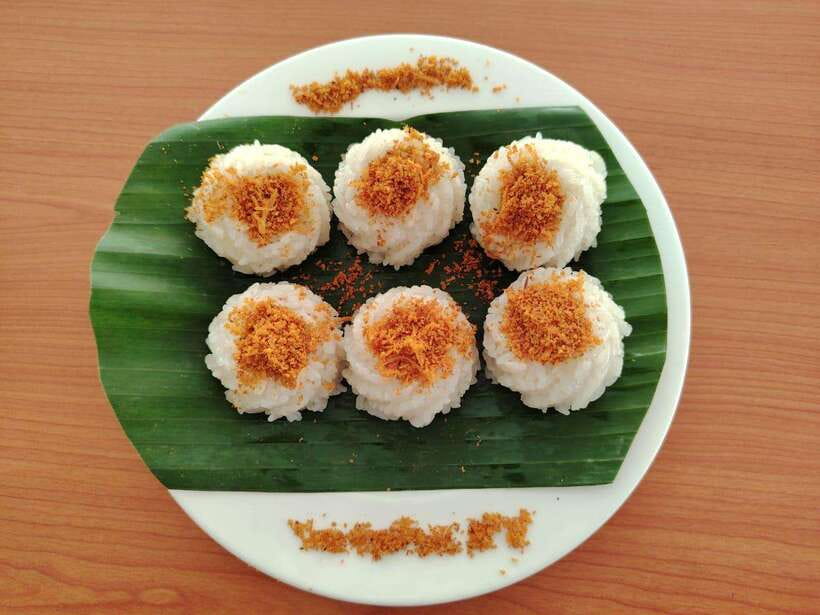
After the market tour, transport to LaZat Cooking is included. This makes the two-part plan easier, since you do not need to work out a second route across Kuala Lumpur during the morning.
The transfer is one-way. You are responsible for reaching TTDI Wet Market at the start and for arranging transport after the class ends. Keep that in mind when planning the rest of your day. The five-and-a-half-hour duration already takes up most of the morning and early afternoon.
The supplied information does not give an exact travel time between the market and the school. I would avoid booking a tight appointment immediately after class. A relaxed plan will serve you better, especially if lunch runs a little longer or the group has plenty of questions.
More Market Tours in Kuala Lumpur
- Market Visit & Private Hands-on Cooking Class at Daun Senja
★ 5.0 · 51 reviews - Private Kuala Lumpur Night Market And Food Tour
★ 5.0 · 13 reviews - Kuala Lumpur: Street Market Exploration & Shopping Tour
★ 4.9 · 12 reviews - Private Tour: Half-Day Shopping and Market Exploration in Kuala Lumpur
★ 4.0 · 11 reviews
Cooking with your own burner and tools
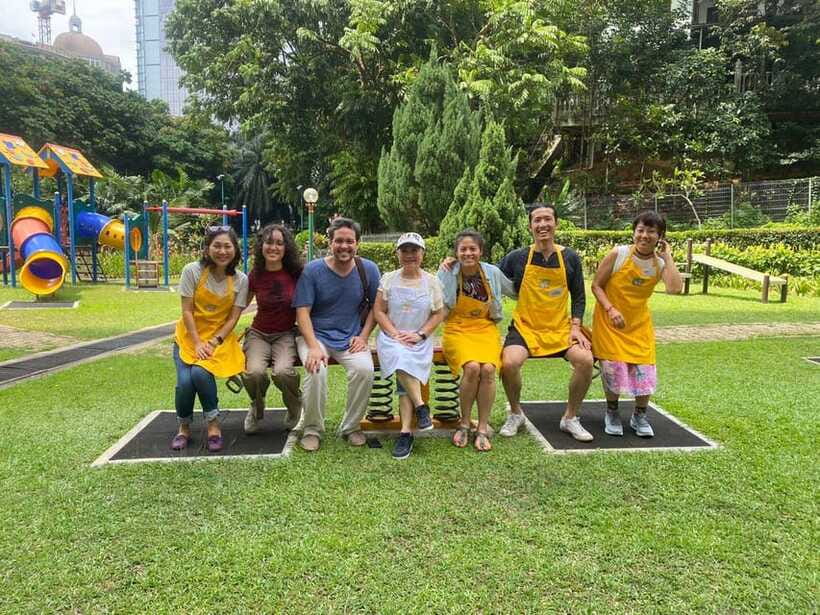
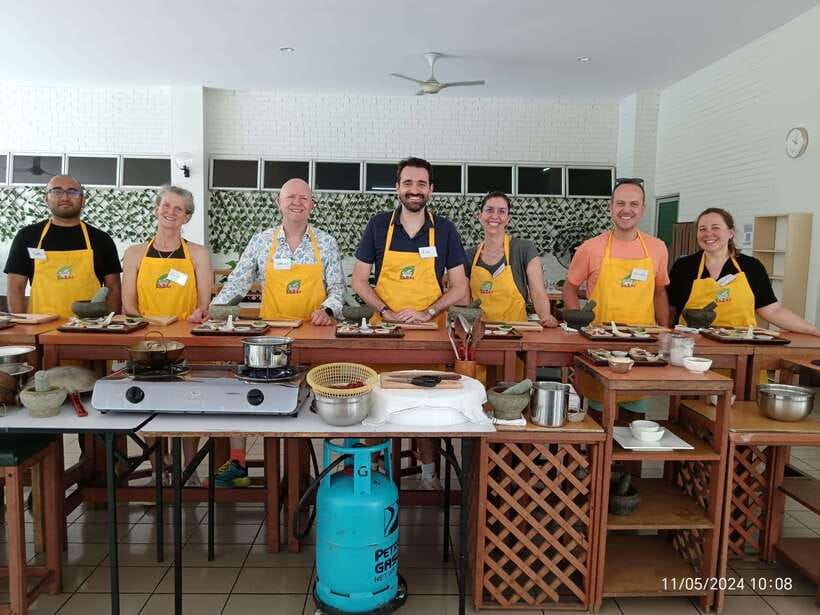
At LaZat Cooking, each participant receives an individual set of equipment. That includes a gas burner stove, countertop cooking tools, traditional utensils, and a mortar and pestle.
This personal setup is one of the better features of the class. You are not standing at the back of a demonstration while someone else handles every important step. You can work through the preparation yourself, under the guidance of the local instructor.
The mortar and pestle are especially useful for understanding Malaysian flavor building. Grinding ingredients by hand gives you a physical sense of how a paste comes together. It also slows the process down in a good way. You see how much effort goes into food that may look simple once it reaches the plate.
The class is designed to be both educational and practical. You receive guidance from local chefs, but the goal is not to make the food for you. You take part in preparing the three courses, which makes the final lunch feel earned.
The exact menu changes by day and follows a different ethnic theme. That variety is a plus if you are open to discovering something new. It is less convenient if you have your heart set on one specific dish, so check the menu for your date before booking if that information is available.
Nasi lemak and chicken rendang have been part of a particularly well-liked class with Saadiah. These dishes offer a good sense of Malaysian cooking, but they should not be treated as guaranteed menu items for every session. The daily menu is part of the design.
Learning from Saadiah and the teaching style
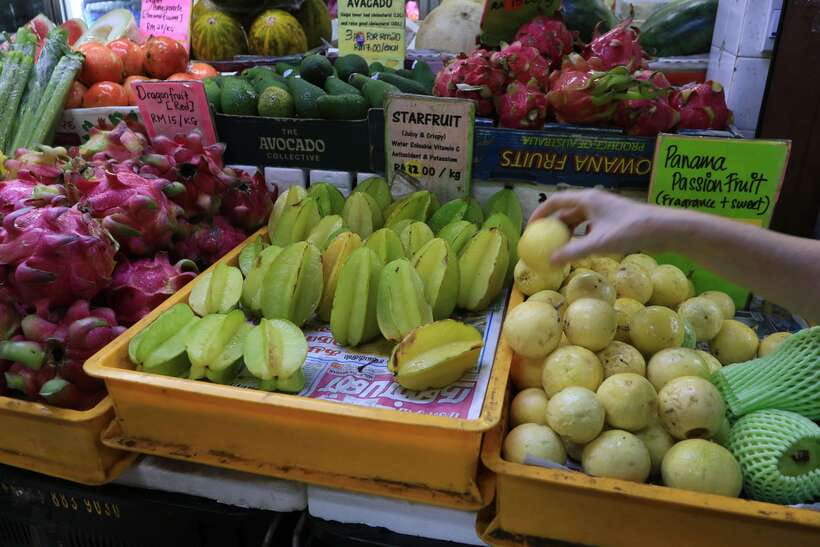
Instructor quality can make or break a cooking class. Saadiah receives especially warm praise for her teaching, her easy manner, and the way she connects food with Malaysian culture and personal stories.
Her classes are usually held on Saturdays, according to the available information. If you can choose your date and her schedule fits, I would consider that a useful reason to book then. The instructor may vary on other days, so the exact teaching style can differ.
The best part of Saadiah’s approach is that she does more than explain a sequence of steps. She shares parts of her life, history, and culture while the food is being prepared. That gives the lesson a human scale. You are not only learning how to make rendang; you are hearing why the food matters to someone who grew up with it.
The class is offered in English, Malay, and Chinese. English-language instruction is available, which makes the practical steps easier to follow for international participants. If you need another language, confirm the language arrangement when you reserve.
The hosts also place emphasis on safety and enjoyment. That matters when you are working with a gas burner and unfamiliar utensils. You still need to pay attention, but you are not left to guess your way through the cooking.
Building and eating the three-course lunch
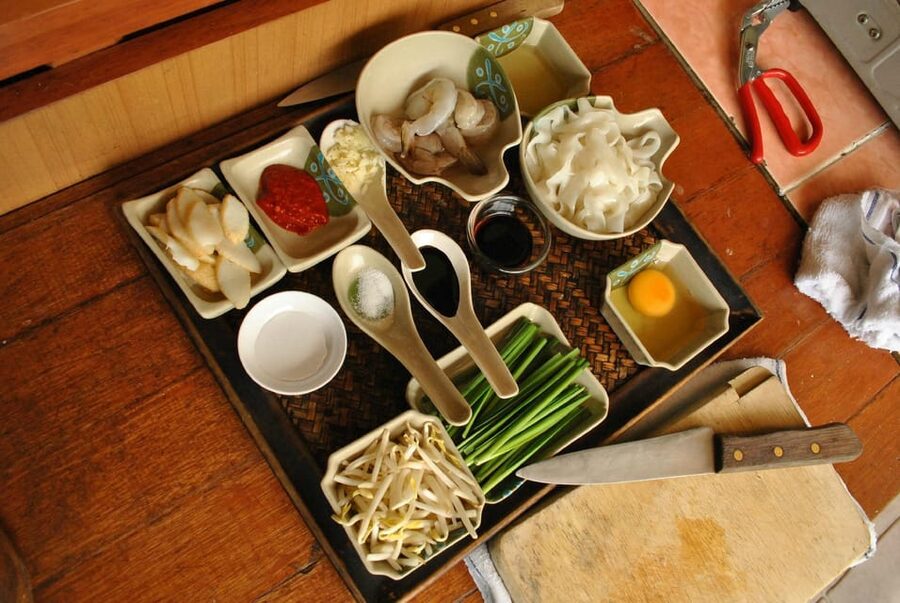
The finished meal includes an appetizer, main course, and dessert. That is a fuller meal than many short cooking lessons, where you may prepare only one dish and receive small tastings.
The three-course format also lets you see how Malaysian flavors work across a meal. You may handle fresh ingredients in more than one way, moving from lighter opening flavors to a more substantial main dish and then dessert. The precise balance depends on the day’s menu.
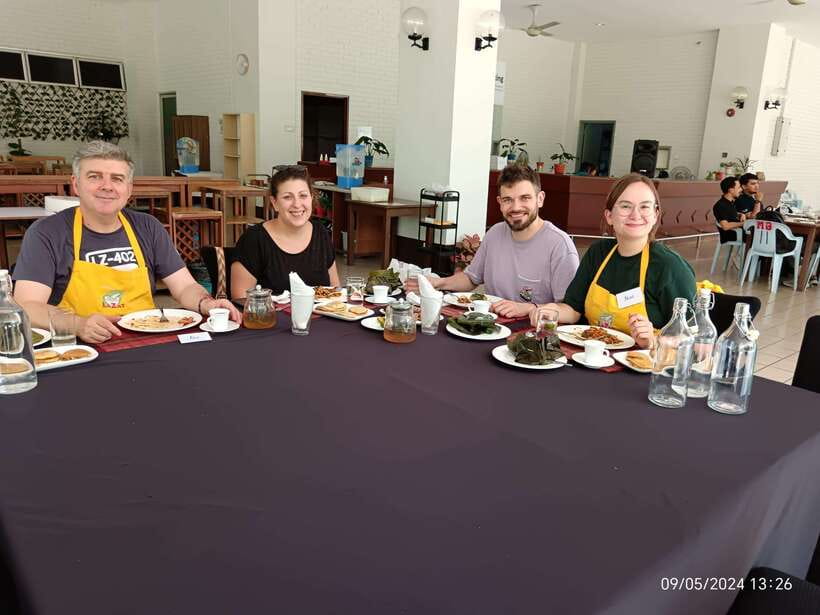
Lunch is prepared and eaten together. That shared meal is part of the social value of the experience. You can compare results with the other participants, talk with the instructor, and enjoy food that you helped prepare from start to finish.
Nasi lemak and chicken rendang made a strong combination in one class, with the lunch described as delicious and well earned. Even if your menu is different, the key benefit remains the same: you eat traditional food after learning the care behind it.
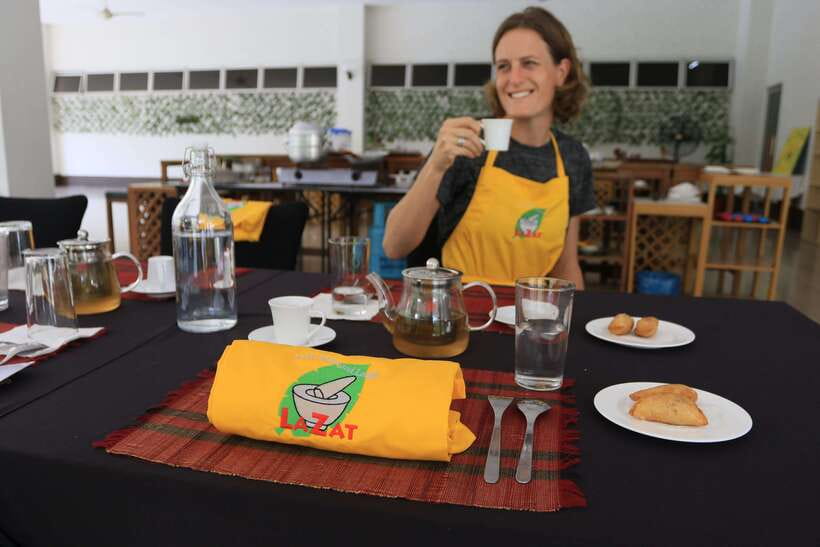
Coffee, tea, and snacks are included. Alcohol is not included, so do not expect wine or beer with lunch. That is hardly a problem for a morning cooking class, but it is worth knowing if you are comparing the total cost with a restaurant meal.
Dietary needs are welcomed. The class states that everyone is accepted regardless of dietary requirements, but you should communicate your needs when booking so the kitchen can plan properly. Do not assume every dish will automatically suit you without advance notice.
What the $149 price really covers
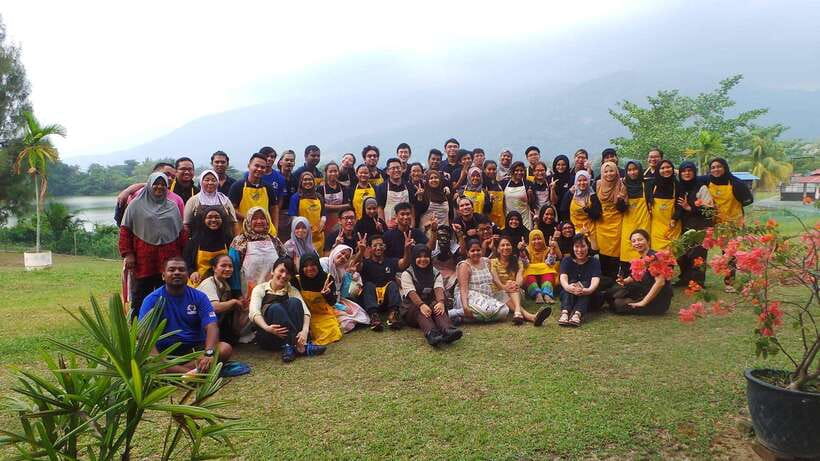
At $149 per person, this is a premium food activity. The price makes more sense when you count the full package rather than the lunch alone.
You are paying for approximately five and a half hours of activity, a guided market visit, transfer from the market to the school, snacks, coffee or tea, instruction, cooking equipment, and a three-course lunch. You also receive the chance to learn techniques you can use again, rather than only consuming a meal.
The value is strongest for people who enjoy doing things with their hands. I would choose this over a standard restaurant lunch if I wanted cultural context and practical skills. I would not choose it solely for the cheapest possible way to eat Malaysian food.
The small-group setup adds value too. In a large class, the instructor may have little time to correct your technique or answer questions. Here, the format is designed for closer participation, although the exact number of participants is not stated.
You should also budget for getting to TTDI Wet Market and leaving the cooking school. Those costs are outside the listed price. The booking terms allow free cancellation up to 24 hours before the activity, and you can reserve now and pay later, which gives you some flexibility while planning.
Who should book this five-and-a-half-hour experience?
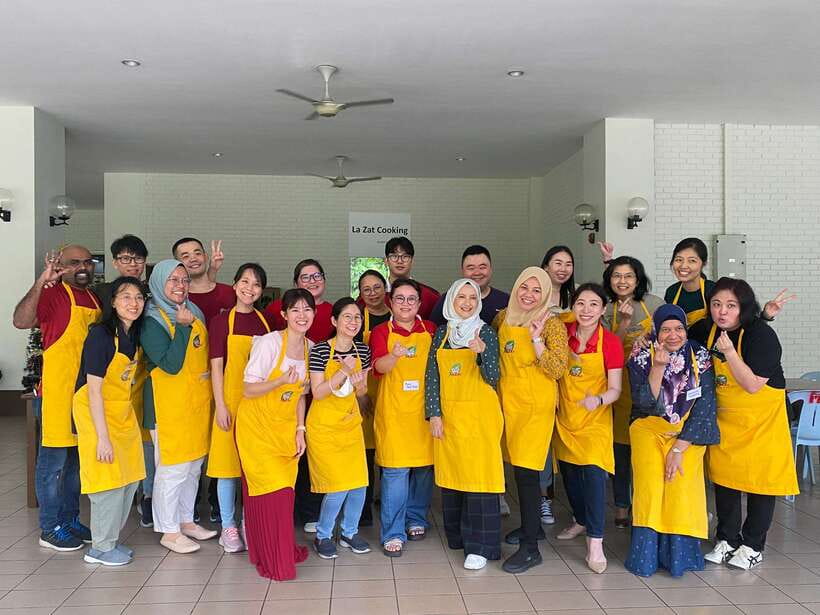
I would recommend this class to food-focused visitors who want more than a restaurant meal. It suits couples, solo participants, friends, and groups, since the activity is built around shared cooking and lunch.
It is also a good choice if you want a local cultural lesson without signing up for a formal history tour. Ingredients, family recipes, market relationships, and personal stories do the teaching here.
Families and mixed-experience groups may also find it approachable because the class is hands-on and guided. The available information does not specify a minimum age, so check that point before booking with young children.
You may want to skip it if you dislike early starts, do not enjoy cooking, or have a tightly packed sightseeing day. The later start option helps, but skipping the market removes one of the experience’s best features.
Practical tips for a smoother morning
Wear clothing you can work comfortably in and arrive at the correct market entrance. The meeting point is TTDI Wet Market, facing Jalan Wan Kadir, and not the cooking school.
Keep your morning open. The activity lasts 330 minutes, and your onward transport is not included. A flexible afternoon gives you room for the meal, questions, and the transfer at the end.
If Saadiah’s teaching appeals to you, ask whether she is leading your chosen date. Her schedule is usually Saturdays, but instructor availability should be confirmed rather than assumed.
Check the menu and share dietary requirements in advance. The daily ethnic menu changes, and the class welcomes dietary needs, but early notice is the sensible way to avoid surprises.
Finally, come hungry but not empty. Snacks and drinks are included, and the market may offer roti canai before the main cooking begins.
Should you book LaZat Cooking?
Book it if you want Malaysian food explained through ingredients, technique, and family stories. The market visit, individual cooking setup, and full three-course lunch give the experience more substance than a short demonstration.
I would be especially interested in a Saturday booking if Saadiah is teaching. Her warmth and cultural storytelling have made a strong impression, and the food itself has been praised as delicious.
Skip it if you only want a quick meal, need a late start, or have no room for a five-and-a-half-hour activity. At $149, the class needs to be treated as a full cultural outing, not simply lunch.
FAQ
Where does the cooking experience begin?
The experience begins at TTDI Wet Market, also called Pasar Besar TTDI. The meeting point is at the entrance facing Jalan Wan Kadir.
What time does the market tour start?
The market tour starts at 8:30 AM.
Can I skip the market tour?
Yes. You can skip the market tour and join the cooking class later.
Is transport included?
Transport from the wet market to LaZat Cooking is included after the market tour. Transport to TTDI Wet Market and transport after the class are not included.
What is included in the cooking class?
Each participant receives an individual gas burner, countertop cooking utensils, traditional utensils, and a mortar and pestle. Snacks, coffee or tea, and the three-course lunch are also included.
What will I cook?
You will prepare a three-course lunch with an appetizer, main course, and dessert. The exact menu changes daily, with a different ethnic menu featured each day.
What languages are available?
Instruction is available in English, Malay, and Chinese.
More Shopping Tours in Kuala Lumpur
- Private Tour : “Lepak-Lepak” at Local Night Market & Mamak Stall
★ 4.5 · 4 reviews - Private Night Tour: Petronas Twin Tower And Shopping
★ 5.0 · 3 reviews
Just added in Kuala Lumpur
- Explore Kuala Lumpur: Iconic City Landmarks & Batu Caves★ 5.0 · 15 reviews
- AVANI Sepang Goldcoast Resort Hotel TO Kuala Lumpur Hotel Door to Door Transfer★ 4.5 · 3 reviews
- Private Hire Taxi Driver Port Klang Cruise Terminal To KL Tour★ 5.0 · 1 review
- Batu Caves And Putrajaya Cruise Excursion Tour From Port Klang★ 5.0 · 1 review
- Airport Layover: Kuala Lumpur Full-Day Tour★ 4.0 · 1 review
- Kuala Lumpur Airport Transfer★ 5.0 · 29 reviews
- Transfer To Avani Sepang Goldcoast Resort★ 5.0 · 2 reviews
- Airport Layover Tour: Kuala Lumpur Full-Day★ 4.5 · 6 reviews
Cooking Classes, compared.

New Malaysian Kitchen Cooking Class and Garden Tour
Read our review →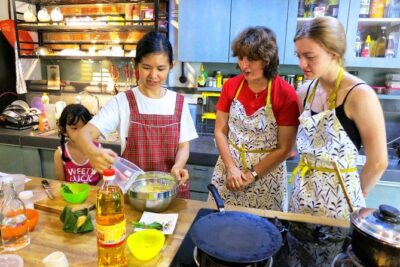
Market Visit & Private Hands-on Cooking Class at Daun Senja
Read our review →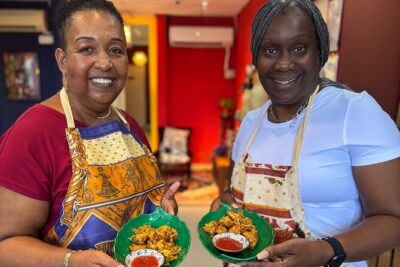
Malaysian Hands-On Cooking Class : Masala Medley
Read our review →
Sabah Traditional Authentic Cuisine Cooking Class 3 Hours
Read our review →
Traditional Peranakan and Malay Cooking Class in Malacca
Read our review →Browse the lists this tour appears in