
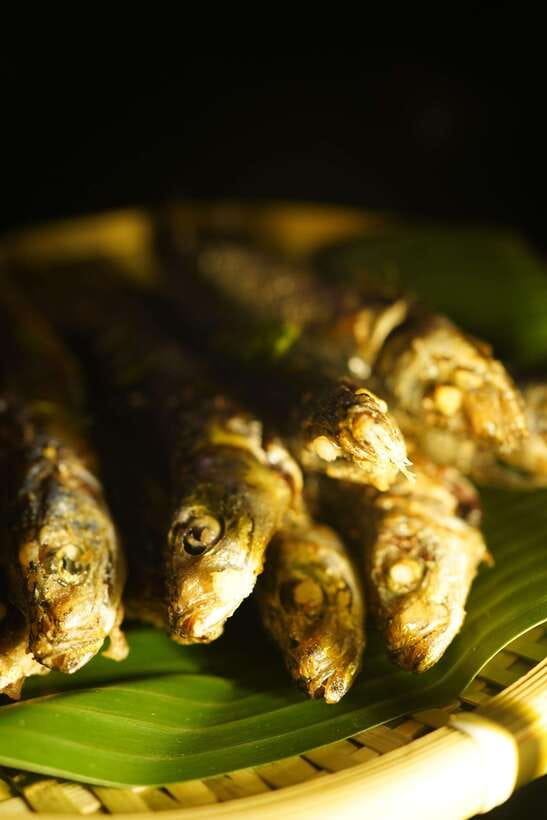
Reviewed · COOKING CLASSES
Sabah Traditional Authentic Cuisine Cooking Class 3 Hours
Come hungry, leave with recipes.
This three-hour class gives you a direct taste of Sabah through its food, taught by local cooks in a home setting rather than a polished hotel kitchen. I especially like the hands-on cooking and the chance to work with ingredients such as bunga kantan, lemongrass, jungle garlic, fresh fish, and garden vegetables.
I also like the personal touch. Auntie Winnie, Auntie Cindy, Chef Bonny, and other local hosts explain how ingredients fit into Sabah’s food culture, then sit down with you to enjoy the meal. The main consideration is that ingredients are prepared before you arrive, so this is a cooking-focused workshop, not a market visit or a from-scratch lesson covering every step.
In This Review
- Key points at a glance
- What the three-hour Sabah cooking class is really like
- Meeting Auntie Winnie and the local hosts
- Local ingredients, unusual flavors, and what you may cook
- From preparation to lunch at 1:00pm
- The setting: home, garden, porch, or indoor kitchen
- Hotel pickup from downtown Kota Kinabalu
- Is $50 a fair price?
- Dietary needs and practical planning
- What people praise most about the experience
- Who should book this Sabah food experience?
- FAQ
- Where does the Sabah cooking class take place?
- How long does the cooking class last?
- What languages do the instructors speak?
- Who teaches the cooking class?
- Is hotel pickup included?
- Are ingredients included?
- Do I get to eat the food I cook?
- Are recipes provided?
- Can the class accommodate dietary restrictions?
- Can I book a night class or outdoor session?
- Should you book it?
Key points at a glance
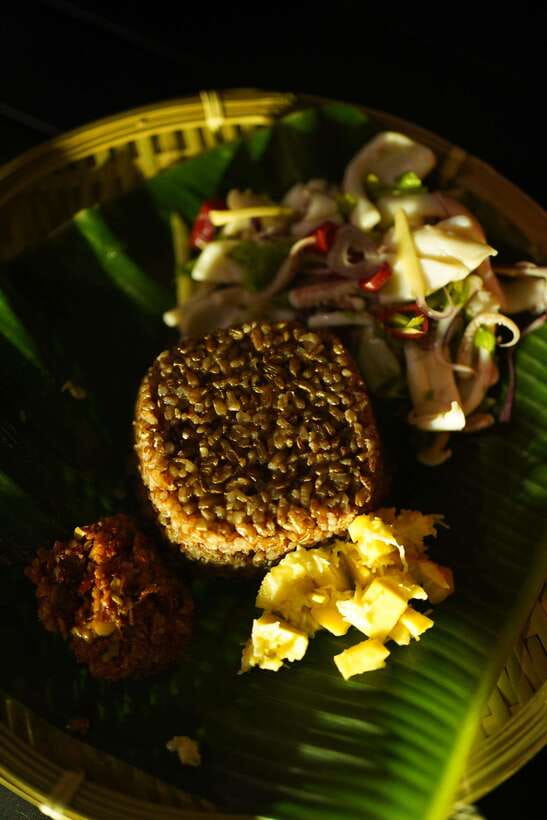
- Cook in a local home setting: Some sessions take place on a front porch, terrace, or garden near the host’s home.
- Learn from true local cooks: Auntie Winnie, Auntie Cindy, and Chef Bonny explain ingredients, cooking methods, and food traditions.
- Taste unusual Sabah ingredients: You may work with bunga kantan, lemongrass, jungle garlic, fish, and fresh vegetables.
- Eat what you prepare: The meal becomes your lunch at the end of the three-hour session.
- Take recipes home: You receive a copy of the recipes so you can try the dishes in your own kitchen.
- Easy downtown pickup: Free hotel pickup is included from downtown Kota Kinabalu.
What the three-hour Sabah cooking class is really like
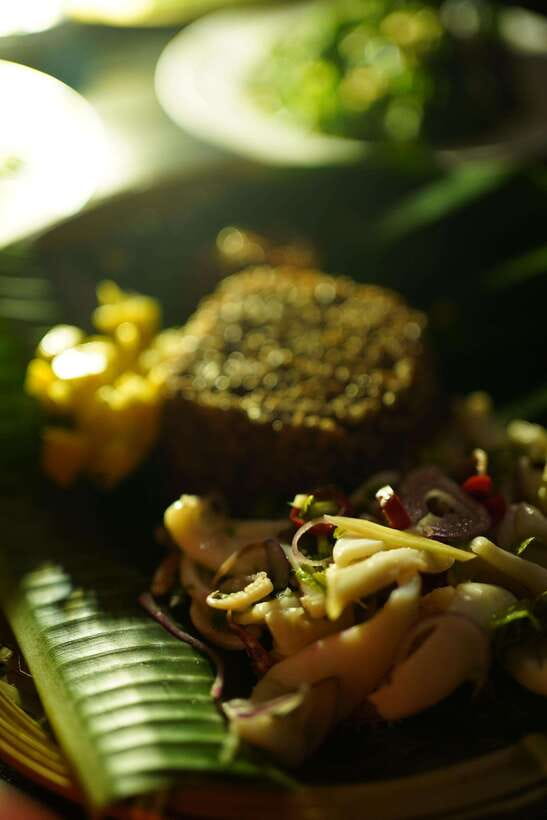
The standard session runs from 10:00am to 1:00pm. It is primarily indoors, although the setting can feel much more like a local home than a formal classroom. Several sessions have taken place in a host’s garden, on a terrace, or on a front porch surrounded by tropical greenery.
That setting matters. Food makes more sense when you see it prepared in the place where people actually live. You are not just watching a chef perform behind a counter. You are handling ingredients, asking questions, and seeing how a local cook organizes a meal.
The class is led by local instructors, including Auntie Cindy, Auntie Winnie, and Chef Bonny. The exact host may vary, so you should confirm who will lead your session. The teaching languages are English, Malay, Chinese, and Traditional Chinese.
The pace sounds relaxed but active. You receive a detailed explanation of the ingredients, cooking style, flavors, and cultural background, then take part in the preparation. This should suit you if you like learning by doing. If you prefer to sit back and watch, you can still enjoy the meal, but you will miss the best part of the experience.
More Kota Kinabalu trips:
- 2D1N Mount Kinabalu Climbing
★ 5.0 · 494 reviews - Bongawan River Cruise: Proboscis Monkey & Fireflies Mangrove
★ 4.8 · 437 reviews - Guided Snorkeling Day Trip, Kota Kinabalu, Sabah, Malaysia
★ 5.0 · 282 reviews
Meeting Auntie Winnie and the local hosts
Auntie Winnie receives especially strong praise for her warm and patient style. She explains each ingredient step by step and, in some sessions, shows how produce comes from her own garden. That small detail turns a recipe lesson into a conversation about daily food life in Sabah.
Her teaching also includes anecdotes about individual ingredients. Bunga kantan, lemongrass, and jungle garlic are not treated as anonymous items on a chopping board. You learn what they contribute to the dish and how their flavors work together.
Auntie Cindy and Chef Bonny are also named as local master chefs. The hosts are described as friendly, funny, prepared, and easy to spend time with. Some sessions include additional help from people such as Gregory, Gunnar, or Judith, particularly when the class takes place at a private home.
This personal contact is one of the strongest reasons to book. You get more than a standard recipe demonstration. You spend time with people who can connect the food to local customs and family cooking.
The experience is not designed as a lecture, though. The food remains the center of the morning. You will hear about history and culture, but the explanation comes while you are preparing and tasting the dishes.
Local ingredients, unusual flavors, and what you may cook
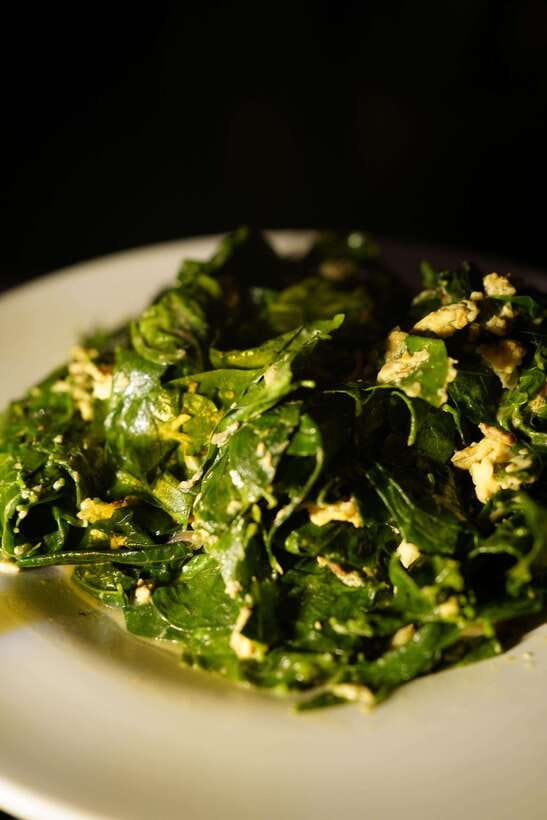
The exact menu is not stated as a fixed list, so you should ask about the dishes planned for your date. Sessions have included more than five Sabah dishes, with fish and vegetables among the ingredients.
The emphasis is on fresh local produce and flavors that may be unfamiliar if you usually cook European, North American, or standard Malaysian food. Bunga kantan brings a distinctive floral and sharp note. Lemongrass adds citrus freshness. Jungle garlic gives dishes a more earthy allium flavor.
You may also encounter fresh vegetables from the host’s garden. Auntie Winnie’s garden has been part of the experience for some participants, giving you a useful look at where some ingredients begin before they reach the kitchen.
The class is called authentic traditional Sabah cuisine, and the strongest part of that claim is the use of local ingredients alongside personal instruction from Sabahan cooks. The experience gives you context for the food, rather than presenting a generic Southeast Asian menu.
Because the ingredients are prepared in advance, you will not necessarily wash, clean, or portion every item from its original state. That is a drawback if you want a full farm-to-plate class. It is also a practical choice for a three-hour workshop, since it leaves more time for cooking, questions, and eating.
From preparation to lunch at 1:00pm
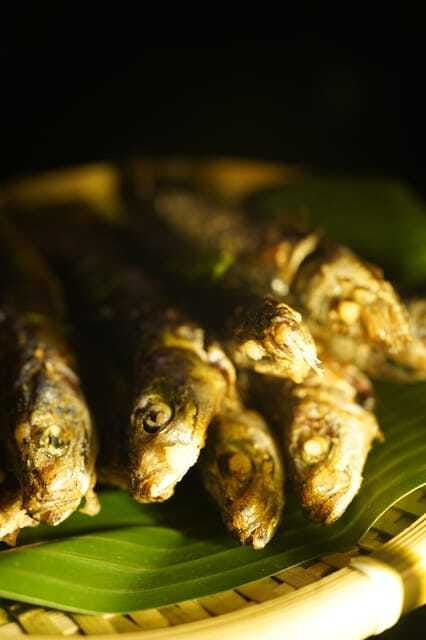
The session follows a simple pattern: explanation, hands-on cooking, and lunch. At the start, the host introduces the ingredients and explains the planned dishes. You then help cook under step-by-step guidance.
The instruction is suited to ordinary home cooking. You are not expected to have professional skills. The hosts explain what each ingredient does, how it should be cooked, and how the final flavors should come together.
You should come hungry. At the end, you eat the food you have prepared at the location. This is more satisfying than receiving a small tasting portion after a demonstration, especially if the class includes several dishes.
You can also choose to take your cooking results home or consume them at the location. The information does not specify packaging, so ask in advance if you plan to transport food after the class.
The meal is also a useful test of what you learned. You can compare the raw ingredients with the finished dishes and ask final questions while everything is still fresh in your mind.
More Cooking Classes in Kota Kinabalu:
- Malaysia Cooking Classes With Local
★ 5.0 · 87 reviews - LaZat Malaysian Cooking Class
★ 5.0 · 87 reviews - New Malaysian Kitchen Cooking Class and Garden Tour
★ 5.0 · 54 reviews - Market Visit & Private Hands-on Cooking Class at Daun Senja
★ 5.0 · 51 reviews
The setting: home, garden, porch, or indoor kitchen
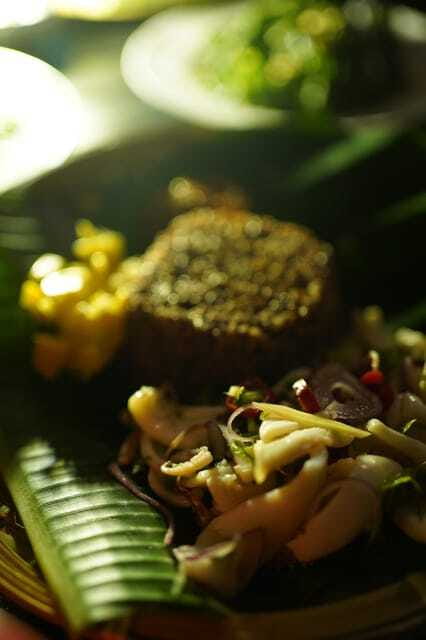
The standard class is primarily indoors, but the experience may take place in a local home setting. Auntie Winnie’s front porch and terrace have been used for cooking, and other sessions have taken place in a garden in a village setting.
That gives the class a more intimate feel than a commercial cooking studio. You may spend time with the host and family, and the surroundings can be part of the day. One session took place in a tropical garden, while another was described as being in a local village home.
You should keep your expectations flexible. This is not advertised as a luxury culinary school, and the setting may be a home kitchen rather than a large purpose-built facility. That is part of the appeal, but it also means the experience may feel informal.
Utensils and crockery are not included. Since the class takes place in a working kitchen or home setting, check what you need to bring or what the host will provide before you arrive. The available information lists them as excluded, so do not assume your booking includes a full equipment package.
Wheelchair accessibility is stated, but the precise access arrangements may vary by location. If you use a wheelchair, confirm the details of the particular venue and pickup vehicle before booking.
Hotel pickup from downtown Kota Kinabalu
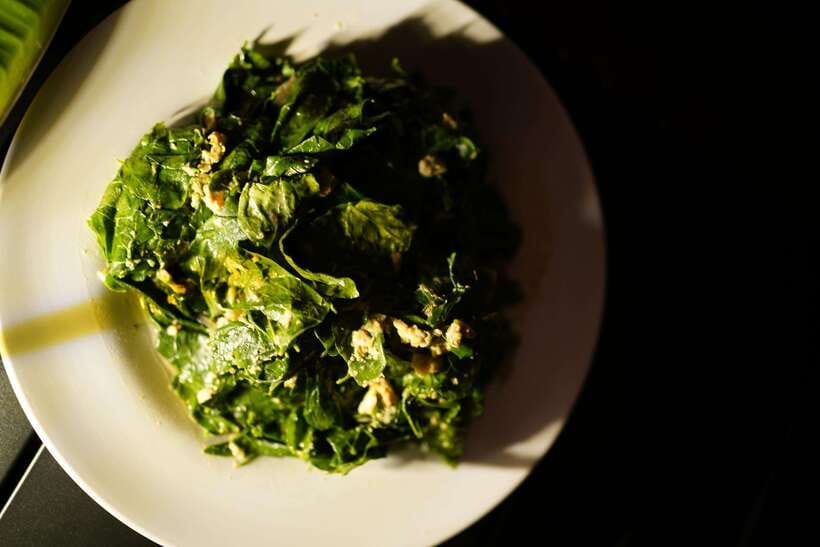
Free pickup is included from hotels in downtown Kota Kinabalu only. This is helpful because some sessions take place outside the central city, including homes and village areas.
The pickup arrangement deserves a little attention. One person reported a poor taxi ride on the way to the cooking location, although the class itself quickly made up for the rough start. That is a reminder to confirm the pickup details carefully and allow a little patience for the transfer.
The operator arranged transportation easily for another participant, so the overall system appears useful, but the exact vehicle and route are not described. Free pickup does not mean pickup from every part of Kota Kinabalu. If your hotel is outside downtown, ask whether you must reach a central meeting point or arrange your own transport.
The class begins at 10:00am and ends around 1:00pm. Keep the morning fairly open. The cooking itself lasts three hours, and your transfer time may add more time before and after the class.
Is $50 a fair price?
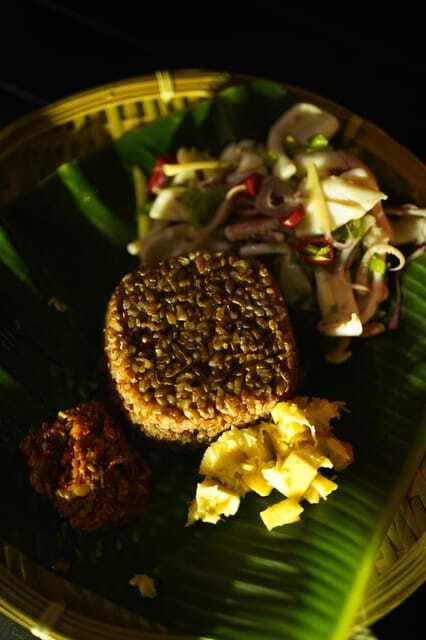
At $50 per person, the value depends on how much you want from the food experience. You are paying for three hours of instruction, local hosts, prepared ingredients, the meal you cook, recipe copies, and downtown hotel pickup.
That is a fair package for someone who wants a personal introduction to Sabah cuisine. You are not only buying lunch. You are paying for access to local cooks and explanations that would be difficult to gain from a restaurant menu alone.
The price looks stronger if you are traveling as a couple or small group and value a private-feeling home setting. It also helps that the class includes food to eat, rather than charging separately for a tasting.
The value is less clear if your main goal is to shop for ingredients, butcher fish, or learn every stage of preparation. Those activities are not listed as part of the workshop. The ingredients are prepared before the class, keeping the focus on cooking.
A current discount is mentioned as limited in duration. Prices and promotions can change, so check the amount at booking rather than treating $50 as permanent.
Dietary needs and practical planning
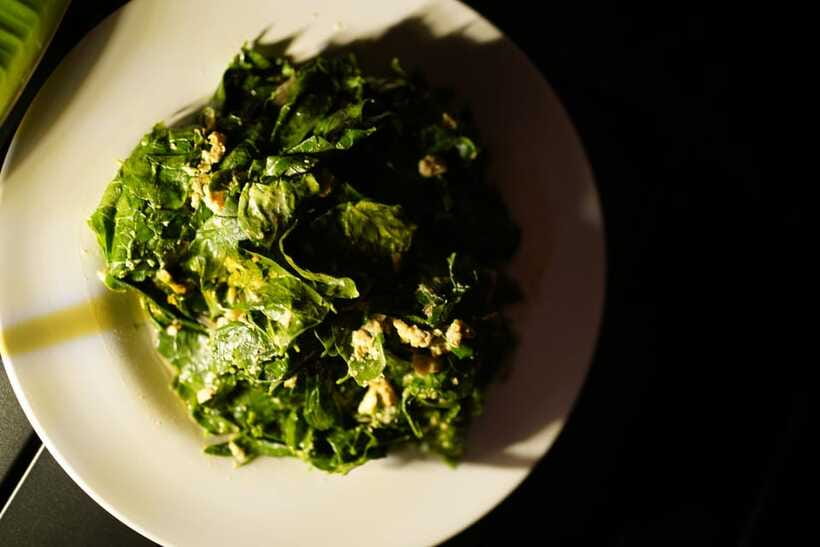
Vegetarian, no-pork, gluten-free, and other dietary requests can be accommodated if you give advance notice. This is important because the precise menu may vary, and Sabah cooking can include ingredients that do not suit every diet.
Tell the provider about your needs before the session, not when you sit down to cook. Also ask whether the recipes will be adjusted or whether separate ingredients will be prepared.
The class is suitable for couples, small groups, solo visitors, and people who want a quieter morning during a longer trip. It can also work well for families, although the supplied information does not state a minimum age. Ask before booking if you are bringing children.
You receive a recipe copy to keep. That adds real value, especially if you want to recreate the meal at home. The strongest cooking classes give you a memory and a skill, and this one aims to provide both.
Night classes and outdoor or campsite sessions can be arranged specially. These are not part of the normal 10:00am to 1:00pm format, so contact the provider before assuming they are available on your dates.
What people praise most about the experience
The strongest common thread is the hosts. Auntie Winnie is repeatedly described as kind, welcoming, funny, and patient. Auntie Cindy, Chef Bonny, Judith, Gregory, and Gunnar are also praised for making the session feel friendly and personal.
The second major strength is the food. Participants cooked fish, vegetables, and several traditional Sabah dishes, then enjoyed flavors and ingredients they had not found elsewhere during their trip.
The third is the setting. A terrace, front porch, home kitchen, garden, or village house gives the session a local character that a restaurant demonstration cannot match.
The class also handles personal occasions well. One host arranged a birthday cake after a last-minute request, and photos and video were taken during another session. These touches are not guaranteed, but they show the kind of family-style hospitality the experience can offer.
The activity has a 4.9 rating from 22 ratings. That is a strong result, but you should still focus on the practical limits: prepared ingredients, excluded utensils and crockery, variable host settings, and downtown-only pickup.
Who should book this Sabah food experience?
I would recommend it if you want to understand Sabah through everyday cooking. It suits people who enjoy meeting local hosts, trying unfamiliar flavors, and eating a proper meal at the end.
It is also a good choice for a recovery morning during a busy Borneo trip. The pace is hands-on but not described as rushed, and the home setting offers a change from sightseeing.
You should think twice if you want a polished restaurant-school setting, a fixed menu, or a market tour. You may also prefer another activity if you dislike informal home environments or want to spend the whole time watching rather than participating.
For most food-minded visitors, the personal instruction is the reason to choose this class. Ask which chef will lead your session, what dishes are planned, how pickup will work, and how your dietary needs will be handled.
FAQ
Where does the Sabah cooking class take place?
The workshop is primarily conducted indoors, with sessions held in local homes, kitchens, terraces, porches, or gardens. The exact setting can vary.
How long does the cooking class last?
The standard class lasts three hours, from 10:00am to 1:00pm.
What languages do the instructors speak?
Instruction is available in English, Malay, Chinese, and Traditional Chinese.
Who teaches the cooking class?
Local instructors may include Auntie Cindy, Auntie Winnie, and Chef Bonny. The host may vary by session.
Is hotel pickup included?
Free pickup is included from hotels in downtown Kota Kinabalu only.
Are ingredients included?
Ingredients are prepared for the workshop and included as part of the cooking session. The class focuses on cooking rather than preparing every ingredient from the beginning.
Do I get to eat the food I cook?
Yes. You can savour your cooking at the location for lunch, or arrange to take the results home.
Are recipes provided?
Yes. Participants receive a copy of the recipes to keep.
Can the class accommodate dietary restrictions?
Vegetarian, no-pork, gluten-free, and other dietary requests can be accommodated if you notify the provider beforehand.
Can I book a night class or outdoor session?
Special arrangements can be made for night classes and outdoor or campsite sessions. These need to be arranged in advance.
Should you book it?
Book this class if you want local food, personal teaching, and a home-based setting more than a formal culinary production. At $50, the combination of instruction, meal, recipes, and downtown pickup offers good value, particularly for food lovers and curious first-time visitors to Sabah.
The best preparation is simple: arrive hungry, tell the provider about dietary needs, confirm the meeting details, and ask which dishes are planned. If that sounds like your kind of morning, this is a practical and personal way to meet Sabah through its kitchen.
Just added in Kota Kinabalu
- Island Hopping ( Manukan & Sapi Island ) From Kota Kinabalu★ 4.5 · 9 reviews
- Sepanggar Island Luxury Boat★ 5.0 · 1 review
- Zen & Splash: Stand-Up Paddleboard (SUP) Yoga in Tanjung Aru★ 5.0 · 1 review
- Discover Sailing Experience in Tanjung Aru Beach★ 3.0 · 1 review
- Join us for a RAID Try Dive in Kota Kinabalu★ 5.0 · 27 reviews
- Mangrove Kayaking Experience in Borneo★ 5.0 · 8 reviews
- Monsopiad Cultural Village Visit with Private Transfer from Kota Kinabalu★ 4.5 · 5 reviews
- Stand Up Paddle Boarding with Sunrise/Sunset Tour at Kota Kinabalu with transfer★ 3.0 · 1 review
Cooking Classes, compared.
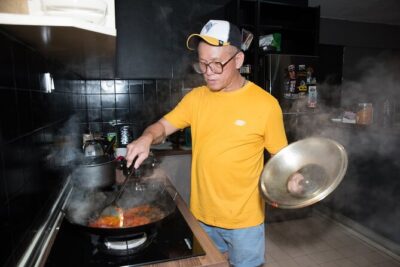
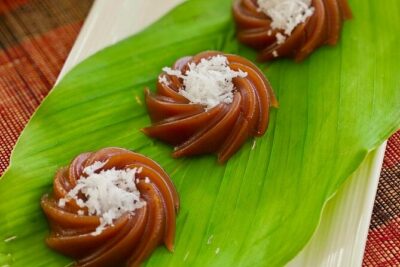
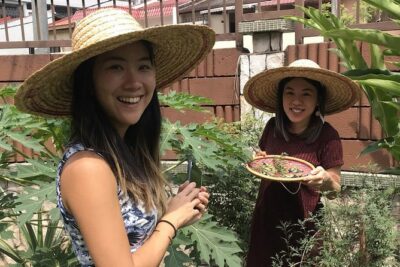
New Malaysian Kitchen Cooking Class and Garden Tour
Read our review →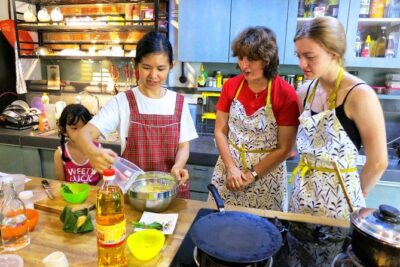
Market Visit & Private Hands-on Cooking Class at Daun Senja
Read our review →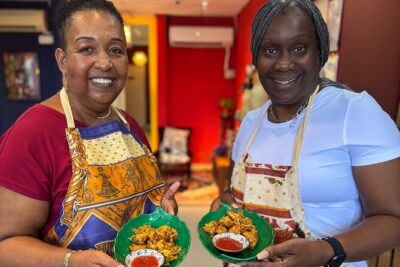
Malaysian Hands-On Cooking Class : Masala Medley
Read our review →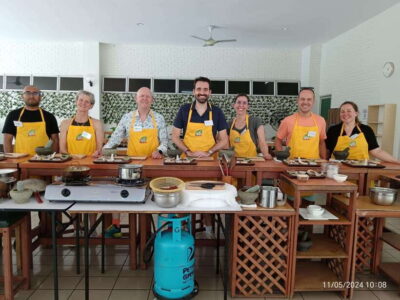
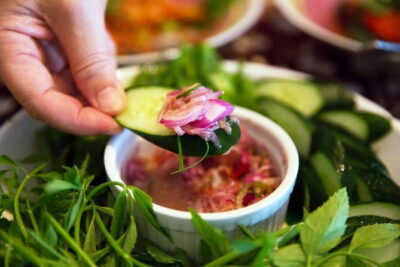
Traditional Peranakan and Malay Cooking Class in Malacca
Read our review →Browse the lists this tour appears in