
Reviewed · COOKING CLASSES
New Malaysian Kitchen Cooking Class and Garden Tour
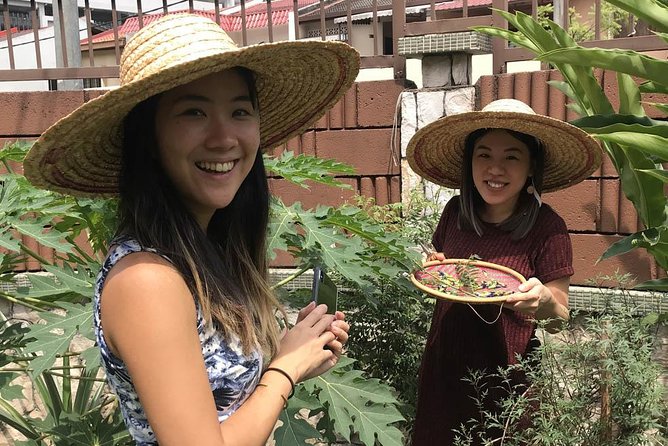
Come hungry, leave with recipes. This four-hour class takes you about 20 minutes from Kuala Lumpur into Sara Khong’s family home, where you tour an edible garden and cook Malaysian street food in a real kitchen. I like the small limit of six people and the chance to use herbs, spices, and flowers picked from the garden. The main consideration is the $150 price, which is high compared with a simple Kuala Lumpur food tour.
I also like that this is a true hands-on class, not a cooking demonstration where you watch someone else do the work. Sara, a professional cook and author of four Malaysian cookbooks, teaches with help from her mother, and the home setting gives the morning a personal feel. You should allow time for the trip outside central Kuala Lumpur and remember that the session runs only Monday through Friday, from 9 a.m. to 1 p.m.
In This Review
- Key points at a glance
- Why this class feels different from a standard food tour
- Starting with flower tea and the edible garden
- Cooking five Malaysian dishes from the beginning
- Sharing lunch in Sara’s home
- What the $150 price really includes
- Getting there and planning the morning
- Who will get the most from this experience
- Should you book New Malaysian Kitchen?
- FAQ
- Where is the New Malaysian Kitchen Cooking Class held?
- How long does the cooking class and garden tour last?
- On which days does the class operate?
- How many people can join the class?
- What food will I learn to cook?
- Is the garden included in the experience?
- Who teaches the class?
- Can I cancel for a full refund?
Key points at a glance
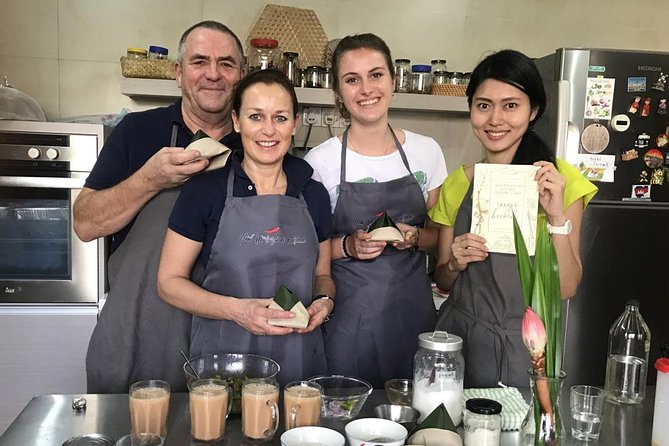
- A working family kitchen: You cook in Sara’s actual home, with her family involved in welcoming and teaching you.
- More than 50 edible plants: The garden includes herbs, spices, flowers, and produce such as turmeric and curry leaves.
- Five dishes by your own hands: You prepare Malaysian food from the ingredient stage through to the shared meal.
- A very small class: The maximum is six people, so Sara can offer close help and answer questions as you cook.
- A useful souvenir: You receive a recipe booklet, making it possible to repeat the dishes at home.
- A full morning near Kuala Lumpur: The class includes flower tea, the garden walk, cooking, lunch, and conversation about Malaysian food and daily life.
Why this class feels different from a standard food tour
Kuala Lumpur is an excellent city for eating, but eating a plate of nasi lemak tells you only part of the story. At New Malaysian Kitchen, you get to handle the ingredients, learn how the dishes are put together, and sit down with the people who prepared them.
That difference matters. A food tour can show you where to eat. This class gives you a better chance of cooking Malaysian food after you return home. The recipe booklet helps, but the real value comes from seeing each step in person and asking questions while you work.
The setting also changes the mood. Instead of a commercial classroom, you visit a family home in Taman Len Seng. Sara and her mother welcome you into the kitchen, and the meal at the end gives the morning a natural finish. It is less like a formal school and more like being invited to cook with a Malaysian family who happens to teach very well.
The class is limited to six people. That number is important because Malaysian cooking often involves several ingredients and preparation steps. With a large group, you might spend too much time waiting or watching. Here, Sara can give one-to-one help, check your technique, and explain why a particular herb or spice belongs in a dish.
More Cooking Classes in Kuala Lumpur
- LaZat Malaysian Cooking Class
★ 5.0 · 87 reviews - Malaysia Cooking Classes With Local
★ 5.0 · 87 reviews - Market Visit & Private Hands-on Cooking Class at Daun Senja
★ 5.0 · 51 reviews
Starting with flower tea and the edible garden
The morning begins with a glass of flower tea. This is a small touch, but it gives you time to settle in before the cooking starts. It also sets up the garden visit, which is one of the most distinctive parts of the experience.
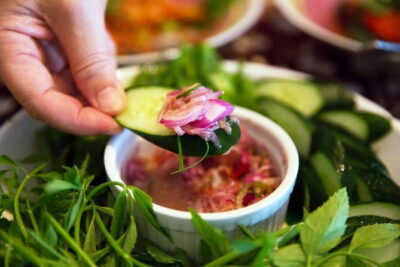
The garden contains more than 50 herbs, spices, and flowers used in everyday cooking. You are encouraged to see, touch, smell, and taste the plants, rather than simply walk past them while someone names them. Turmeric and curry leaves are specifically part of the tour, and you might find that familiar ingredients seem quite different when you meet them as fresh plants.
This section is useful because many Malaysian recipes depend on ingredients that are hard to identify in a market or supermarket. A recipe may tell you to use curry leaves, but seeing the plant helps connect the name with its smell and appearance. The same is true for turmeric and other garden ingredients.
I would pay close attention here if you plan to cook Malaysian food at home. Ask questions about which parts of a plant are used and how the fresh ingredient changes a dish. The garden tour is not just a pleasant pause before lunch. It explains where the flavors begin.
There is also a practical limit. A garden walk cannot cover every Malaysian ingredient or every regional cooking tradition in four hours. Think of it as an introduction to the plants used in this household and in the dishes prepared that day.
Cooking five Malaysian dishes from the beginning
The central part of the class is hands-on cooking. You make five Malaysian foods of your choice in a real Malaysian kitchen, rather than watching Sara prepare a finished dish.
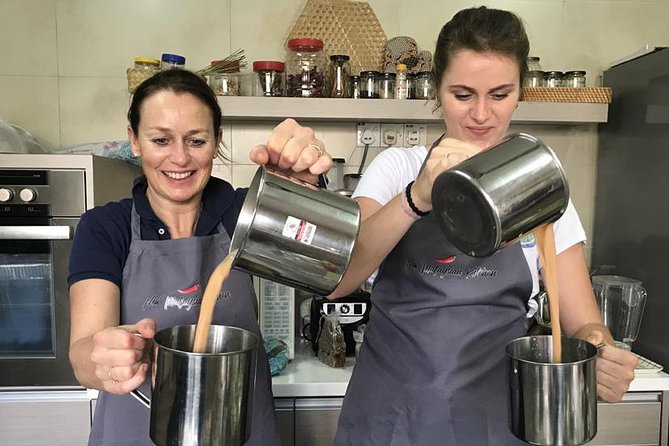
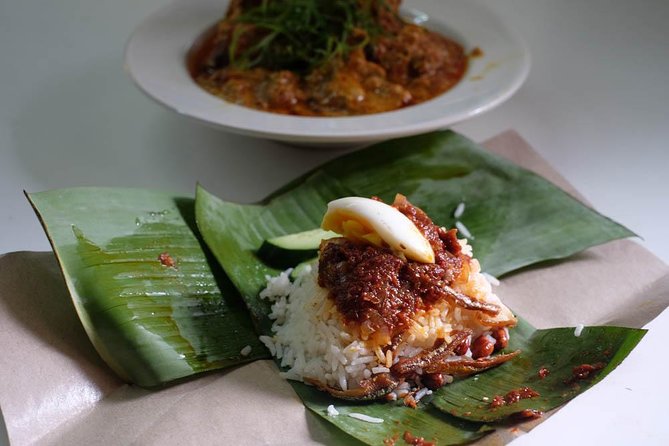
The exact menu can vary, but dishes prepared in past classes have included nasi lemak, chicken rendang, four-angled bean salad, teh tarik, and ondeh-ondeh. That list gives you a good idea of the range: a famous rice dish, a slow-cooked curry, a fresh vegetable preparation, pulled tea, and a sweet treat.
This variety is one of the class’s strongest features. You are not learning five versions of the same dish. You get a look at different parts of Malaysian cooking, including rice, meat, vegetables, drinks, and dessert.
Nasi lemak is especially useful to learn because it is one of Malaysia’s best-known dishes and one you may want to recreate at home. Chicken rendang gives you another style of cooking, with a dish that depends on careful preparation and a balanced combination of spices. Ondeh-ondeh adds a hands-on dessert, while teh tarik introduces a food skill that is as much about movement as ingredients.
The class is suitable even if you are not an experienced cook. Sara is described as patient, clear, and careful in her explanations, and one past participant with little cooking experience was still able to complete a dish. That does not mean the class is passive. You should expect to chop, mix, shape, cook, and take part in the full process.
A small group helps here. If you are unsure about a step, you can ask immediately rather than wait for a demonstration to end. Sara’s background as a professional cook and cookbook author also means the class is built around practical instruction, not just casual family recipes.
The phrase five foods of your choice deserves a little caution. The supplied details do not explain exactly how menu choices are made or how much flexibility you have on the day. If you have a particular dish in mind, ask when booking or at the start of the session. The examples above are useful possibilities, not a guaranteed menu.
Sharing lunch in Sara’s home
After the preparation, you sit down to eat what you have made. That shared meal is more than a reward for finishing the work. It lets you taste the results while the techniques are still fresh in your mind.
The home setting makes the meal feel personal. You can chat with Sara and her family about Malaysian food, culture, and lifestyle, rather than leaving as soon as the final dish is complete. Past participants have particularly valued the welcome from Sara and her mother, as well as the feeling of cooking in an actual family kitchen.
This conversation is a major reason to choose the class over a standard cooking studio. Food in Malaysia is closely tied to family habits, local ingredients, and daily life. The meal gives you a chance to ask about those connections in a relaxed setting.
The class can also be a good choice for couples, families, and small groups of friends. One past group included four family members, while another included a couple and their daughter. The six-person limit keeps the experience personal without making it a private class.
If you prefer to eat quickly and move on to the next sight, the meal may feel like a longer commitment. The whole point is to slow down, eat together, and talk. Plan your morning around that pace.
A completely different kind of day out:
- Kuala Lumpur: Batu Caves Half-Day Tour with Pick-Up Option
★ 4.5 · 4,288 reviews - Private Half-Day Batu Caves and Cutural Tour in Kuala Lumpur
★ 5.0 · 3,107 reviews - Sambal Streets Kuala Lumpur Food Tour with 15+ Tastings
★ 5.0 · 2,438 reviews - Historical Malacca Guided Day Tour (Shared Tour)
★ 5.0 · 2,172 reviews
What the $150 price really includes
At $150 per person, this is not a budget activity. You are paying more than you would for a casual meal or a market snack crawl, so the value depends on what you want from the morning.
The price covers about four hours of instruction, a garden tour, flower tea, the ingredients for five dishes, the meal you prepare, personal teaching in a group of no more than six, and a recipe booklet. It also pays for access to Sara’s family home, cooking experience, and time with a professional cook who has written four Malaysian cookbooks.
I think the price makes the most sense if you care about learning. You receive a meal, but the lasting benefit is the ability to make the dishes again. The recipe booklet gives you something concrete to take home, while the garden visit helps you remember the ingredients.
The value is weaker if you mainly want to sample Malaysian food without cooking. Kuala Lumpur offers many cheaper ways to eat nasi lemak, rendang, and other local dishes. This experience earns its price through personal attention and active participation.
The average booking point is 32 days ahead, which suggests that planning early is sensible. The class has only six places and operates on weekday mornings, so your schedule may limit your options. Confirmation arrives within 48 hours of booking, subject to availability.
Getting there and planning the morning
The meeting point is New Malaysian Kitchen Cooking Class at No. 2, Jalan 11, Taman Len Seng, 56000 Kuala Lumpur. The location is outside the city center but is described as about 20 minutes from Kuala Lumpur and near public transportation.
The session runs from 9 a.m. to 1 p.m., Monday through Friday. It ends where it begins, so you can plan your afternoon from the same meeting point rather than arranging a separate return location.
Check the timing carefully before you book. This is a morning activity, not an evening class, and the weekday schedule excludes Saturday and Sunday. If you have only a short weekend stay in Kuala Lumpur, this class will not fit the stated hours.
A mobile ticket is provided, which is convenient for keeping the booking on your phone. You should still check your confirmation for the meeting instructions and allow enough time to reach Taman Len Seng. The listed 20-minute journey is useful context, but your actual trip depends on where you start and the transport conditions that morning.
Free cancellation is available up to 24 hours before the start time for a full refund. Changes or cancellations made less than 24 hours before the start time are not accepted for a refund, and the cut-off follows local time.
Who will get the most from this experience
I would choose this class if you want a close look at Malaysian home cooking and enjoy taking part rather than simply watching. It suits curious eaters, beginner cooks, cookbook fans, and anyone who wants to recreate Malaysian dishes for family and friends.
It is also a strong option for a small group that wants one shared activity. The maximum of six means you are likely to receive more help than in a large cooking school, and the family-home setting encourages conversation.
The class is less suitable if you need a flexible start time, want a weekend activity, or are looking for the least expensive way to eat local food. It may also be a poor match if you dislike touching unfamiliar ingredients or spending most of a morning in a kitchen.
The class has a 98 percent recommendation rate and a 4.9 rating from 54 ratings. Those numbers point to a very consistent experience, especially in the areas that matter most here: Sara’s teaching, the warm welcome, the garden, and the hands-on cooking.
Should you book New Malaysian Kitchen?
Book it if you want more than a plate of Malaysian food. The combination of a family kitchen, a garden with more than 50 edible plants, five dishes, a shared lunch, and a group capped at six gives you a real connection to the food.
I would be especially happy to recommend it for a first morning in Kuala Lumpur if you enjoy food and want useful context for the rest of your trip. You will leave with new flavors in your memory, practical recipes, and a better sense of how Malaysian ingredients move from garden to kitchen.
Skip it if $150 feels too high for a cooking activity or if your schedule allows only weekends. For everyone else, the personal teaching and recipe value make this one of the stronger food experiences near Kuala Lumpur.
FAQ
Where is the New Malaysian Kitchen Cooking Class held?
The class is held at No. 2, Jalan 11, Taman Len Seng, 56000 Kuala Lumpur, Malaysia.
How long does the cooking class and garden tour last?
The experience lasts approximately four hours, from 9 a.m. to 1 p.m.
On which days does the class operate?
It operates Monday through Friday.
How many people can join the class?
The maximum group size is six people.
What food will I learn to cook?
You prepare five Malaysian foods of your choice. Examples from past classes include nasi lemak, chicken rendang, four-angled bean salad, teh tarik, and ondeh-ondeh.
Is the garden included in the experience?
Yes. The morning includes a tour of an organic edible garden with more than 50 herbs, spices, and flowers used in cooking.
Who teaches the class?
Sara Khong teaches the class. She is a professional cook and author of four Malaysian cookbooks, and her mother also helps welcome and host the group.
Can I cancel for a full refund?
Yes. You can cancel at least 24 hours before the experience start time for a full refund. Cancellations or changes made less than 24 hours before the start time are not accepted for a refund.
Just added in Kuala Lumpur
- Explore Kuala Lumpur: Iconic City Landmarks & Batu Caves★ 5.0 · 15 reviews
- Private Hire Taxi Driver Port Klang Cruise Terminal To KL Tour★ 5.0 · 1 review
- Batu Caves And Putrajaya Cruise Excursion Tour From Port Klang★ 5.0 · 1 review
- AVANI Sepang Goldcoast Resort Hotel TO Kuala Lumpur Hotel Door to Door Transfer★ 4.5 · 3 reviews
- Airport Layover: Kuala Lumpur Full-Day Tour★ 4.0 · 1 review
- Kuala Lumpur Airport Transfer★ 5.0 · 29 reviews
- Transfer To Avani Sepang Goldcoast Resort★ 5.0 · 2 reviews
- Airport Layover Tour: Kuala Lumpur Full-Day★ 4.5 · 6 reviews
Cooking Classes, compared.

Market Visit & Private Hands-on Cooking Class at Daun Senja
Read our review →
Malaysian Hands-On Cooking Class : Masala Medley
Read our review →
Sabah Traditional Authentic Cuisine Cooking Class 3 Hours
Read our review →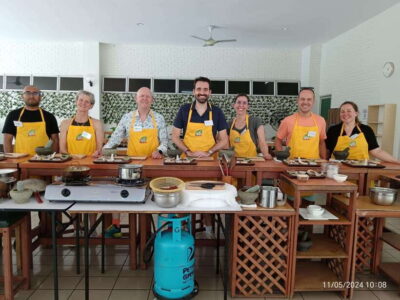
Traditional Peranakan and Malay Cooking Class in Malacca
Read our review →Browse the lists this tour appears in